5 Key Qualities of Effective Leaders
Uncover the 5 key qualities that define effective leaders in today's dynamic business environment.
5 Key Qualities of Effective Leaders
Uncover the 5 key qualities that define effective leaders in today's dynamic business environment.Hey there! Ever wondered what truly makes a leader stand out? It's not just about having a fancy title or barking orders. In today's fast-paced, ever-changing business world, especially when you're looking at markets as diverse and dynamic as the US and Southeast Asia, effective leadership is more crucial than ever. We're talking about qualities that inspire, motivate, and drive teams to achieve incredible things. Forget the old-school, top-down approach; modern leadership is all about connection, vision, and adaptability. So, let's dive deep into the five key qualities that truly define an effective leader, and I'll even throw in some real-world examples and tools that can help you cultivate these traits.
Visionary Leadership Setting the Course for Success
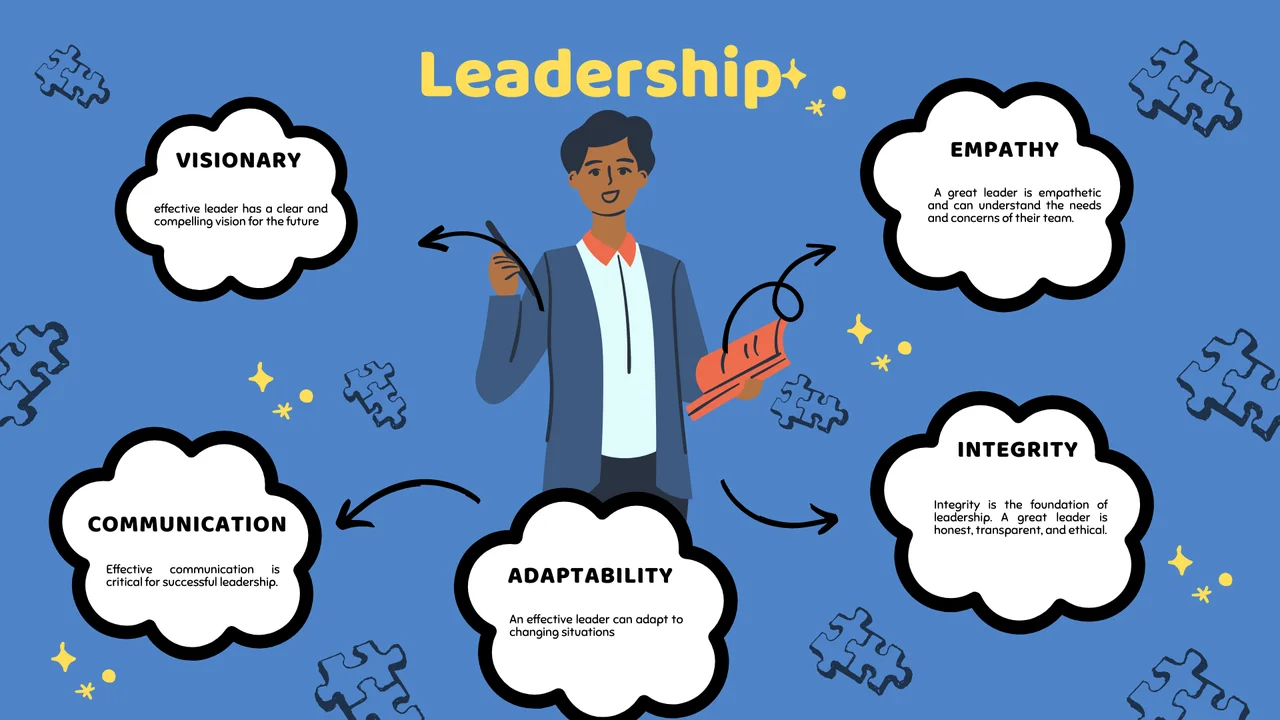
First up, every great leader needs a clear vision. Think of it like being the captain of a ship. You can't just drift aimlessly; you need a destination, a map, and a compelling reason to get there. A visionary leader doesn't just see what's in front of them; they see what could be. They paint a vivid picture of the future, a future that excites and energizes their team. This isn't just about setting goals; it's about creating a shared purpose that everyone can rally behind.
For instance, think about Elon Musk. Love him or hate him, his vision for Tesla and SpaceX is undeniably bold and inspiring. He's not just selling cars or rockets; he's selling a future of sustainable energy and space exploration. This kind of grand vision attracts top talent and keeps them motivated through countless challenges. In a more localized context, consider a startup founder in Singapore aiming to revolutionize urban farming. Their vision isn't just about growing vegetables; it's about food security, sustainability, and community empowerment. That's the kind of vision that resonates.
How do you cultivate this? It starts with strategic thinking. Don't just react to problems; anticipate future trends. Read widely, talk to diverse people, and always be asking 'what if?' and 'where are we going?'
Tools for Visionary Leaders Strategic Planning Software and Trend Analysis
To help you articulate and share your vision, several tools can be incredibly useful:
- Miro: This online collaborative whiteboard is fantastic for brainstorming, mind mapping, and creating visual roadmaps. You can invite your team to contribute, making the vision a shared creation. It has a free tier for basic use, and paid plans start around $8 per user per month.
- Aha!: Specifically designed for product roadmapping and strategy, Aha! helps leaders define their vision, set goals, and track progress. It's a bit more robust and pricier, with plans starting at $59 per user per month, but invaluable for larger organizations.
- TrendWatching.com: While not a software, this platform provides excellent trend reports and insights that can help you anticipate future shifts and refine your vision. Subscriptions vary, but they offer free reports and newsletters.
Effective Communication The Cornerstone of Leadership
Alright, you've got this amazing vision. Now what? You need to communicate it! And not just once, but constantly, clearly, and compellingly. Effective communication isn't just about speaking; it's about listening, understanding, and ensuring your message lands exactly as intended. It's about being transparent, even when the news isn't great, and fostering an environment where everyone feels heard.
Imagine a project manager in Kuala Lumpur leading a diverse team with members from different cultural backgrounds. Miscommunication can be a huge roadblock. An effective leader here would not only articulate project goals clearly but also actively solicit feedback, clarify doubts, and ensure cultural nuances are respected in their communication style. They'd use multiple channels – team meetings, one-on-one check-ins, written updates – to reinforce key messages.
This quality also extends to conflict resolution. A leader who can mediate disagreements, facilitate open dialogue, and guide their team towards constructive solutions is invaluable. It's about creating psychological safety where people feel comfortable expressing their ideas and concerns without fear of retribution.
Communication Tools for Leaders Enhancing Clarity and Engagement
Here are some tools that can supercharge your communication efforts:
- Slack/Microsoft Teams: These platforms are staples for internal team communication, allowing for instant messaging, channel-based discussions, and file sharing. Both offer free versions for small teams, with paid plans starting around $6-7 per user per month for advanced features.
- Loom: For asynchronous communication, Loom allows you to record quick video messages of your screen, camera, or both. It's perfect for explaining complex ideas, giving feedback, or sharing updates without needing a live meeting. A free starter plan is available, with business plans at $12.50 per creator per month.
- Grammarly Business: For written communication, Grammarly ensures your messages are clear, concise, and error-free. It's especially helpful when communicating across different English proficiency levels. Business plans start at $15 per user per month.
Empathy and Emotional Intelligence Understanding Your Team
This one is huge, especially in today's world where mental well-being is finally getting the attention it deserves. Empathy is the ability to understand and share the feelings of another. Emotional intelligence (EQ) takes it a step further, encompassing self-awareness, self-regulation, motivation, empathy, and social skills. An emotionally intelligent leader can read the room, understand unspoken cues, and respond to their team's needs with compassion and understanding.
Consider a team member in Manila facing personal challenges that are impacting their work. A leader with high EQ wouldn't just focus on the dip in performance; they'd check in, offer support, and explore flexible solutions. They'd recognize that their team members are human beings with lives outside of work, and that supporting their overall well-being ultimately leads to a more engaged and productive workforce.
This doesn't mean being a pushover; it means being human. It means building trust and loyalty, which are far more powerful motivators than fear. Leaders with high EQ are better at managing conflict, inspiring collaboration, and navigating complex interpersonal dynamics.
Resources for Developing Empathy and Emotional Intelligence
While EQ isn't something you download, there are resources to help you develop it:
- Books: Daniel Goleman's 'Emotional Intelligence' is a classic. 'Dare to Lead' by Brené Brown also offers fantastic insights into vulnerability and empathy in leadership.
- Mindfulness Apps: Apps like Headspace or Calm can help you develop self-awareness and emotional regulation through meditation and mindfulness exercises. Both offer free trials, with subscriptions typically around $70 per year.
- Leadership Coaching: Investing in a leadership coach can provide personalized feedback and strategies for improving your EQ. Costs vary widely, from a few hundred to several thousand dollars per month, depending on the coach's experience and frequency.
Adaptability and Resilience Navigating Change and Challenges
If the last few years have taught us anything, it's that change is the only constant. An effective leader isn't rigid; they're adaptable. They can pivot quickly, embrace new technologies, and guide their team through uncertainty with a steady hand. Resilience goes hand-in-hand with adaptability – it's the ability to bounce back from setbacks, learn from failures, and maintain a positive outlook even when things get tough.
Think about a tech company in Silicon Valley that suddenly needs to shift its entire product strategy due to a market disruption. A resilient leader wouldn't panic; they'd assess the situation, communicate transparently with their team, and lead the charge in finding new solutions. Similarly, a small business owner in Vietnam navigating new trade regulations needs to be adaptable, finding creative ways to maintain their competitive edge.
This quality also involves fostering a culture of continuous learning. Leaders who encourage experimentation, celebrate learning from mistakes, and invest in their team's development are building a more adaptable and resilient organization.
Tools for Fostering Adaptability and Resilience
While these are more about mindset, certain tools can support the process:
- Asana/Trello: Project management tools like these help teams organize tasks, track progress, and adapt plans quickly when priorities shift. Both have robust free tiers, with paid plans starting around $10-12 per user per month.
- Learning Management Systems (LMS): Platforms like Coursera for Business or LinkedIn Learning allow leaders to provide continuous learning opportunities for their teams, fostering adaptability through skill development. Business plans vary based on organization size.
- Scenario Planning Software: Tools like Strategyzer (though more of a framework/toolkit than a software) or even advanced spreadsheet modeling can help leaders explore different future scenarios and prepare for various outcomes.
Empowerment and Delegation Building Strong Teams
Finally, a truly effective leader understands that they can't do everything themselves. In fact, trying to do so is a recipe for burnout and a disengaged team. Empowerment is about giving your team members autonomy, responsibility, and the resources they need to succeed. Delegation isn't just offloading tasks; it's about trusting your team, developing their skills, and fostering a sense of ownership.
Consider a marketing director in Jakarta who has a talented team. Instead of micromanaging every campaign, an empowering leader would set clear objectives, provide guidance, and then step back, allowing their team to take the lead, experiment, and learn. This not only frees up the leader's time for more strategic work but also boosts team morale, confidence, and skill development.
This quality is crucial for succession planning and building a sustainable organization. Leaders who empower their teams are essentially cultivating future leaders, ensuring the organization's long-term health and growth.
Tools for Empowering and Delegating Effectively
These tools can help you delegate and empower your team more effectively:
- Monday.com: A highly visual work operating system that helps teams manage projects, track tasks, and clearly see who is responsible for what. It promotes transparency and accountability. Free for up to 2 users, with paid plans starting around $8 per user per month.
- ClickUp: Another all-in-one productivity platform that allows for detailed task assignment, progress tracking, and goal setting. It's highly customizable and great for teams that need flexibility. Offers a free plan, with paid plans starting at $7 per user per month.
- 15Five: This platform focuses on continuous performance management, including weekly check-ins, goal tracking, and peer feedback. It helps leaders stay connected with their team's progress and provide support without micromanaging. Plans start at $8 per user per month.
So there you have it – the five key qualities that truly define an effective leader in today's complex world. It's a blend of foresight, clear communication, genuine understanding, unwavering resilience, and the ability to lift others up. Cultivating these traits isn't a one-time event; it's a continuous journey of learning, self-reflection, and practice. But trust me, the rewards – a motivated team, a thriving organization, and a fulfilling leadership experience – are absolutely worth the effort. Keep learning, keep growing, and keep leading with purpose!
:max_bytes(150000):strip_icc()/277019-baked-pork-chops-with-cream-of-mushroom-soup-DDMFS-beauty-4x3-BG-7505-5762b731cf30447d9cbbbbbf387beafa.jpg)