3 Key Differences Between Anxiety and Fear
Explore the 3 main distinctions between anxiety and fear. Understand these emotions better for improved mental well-being.
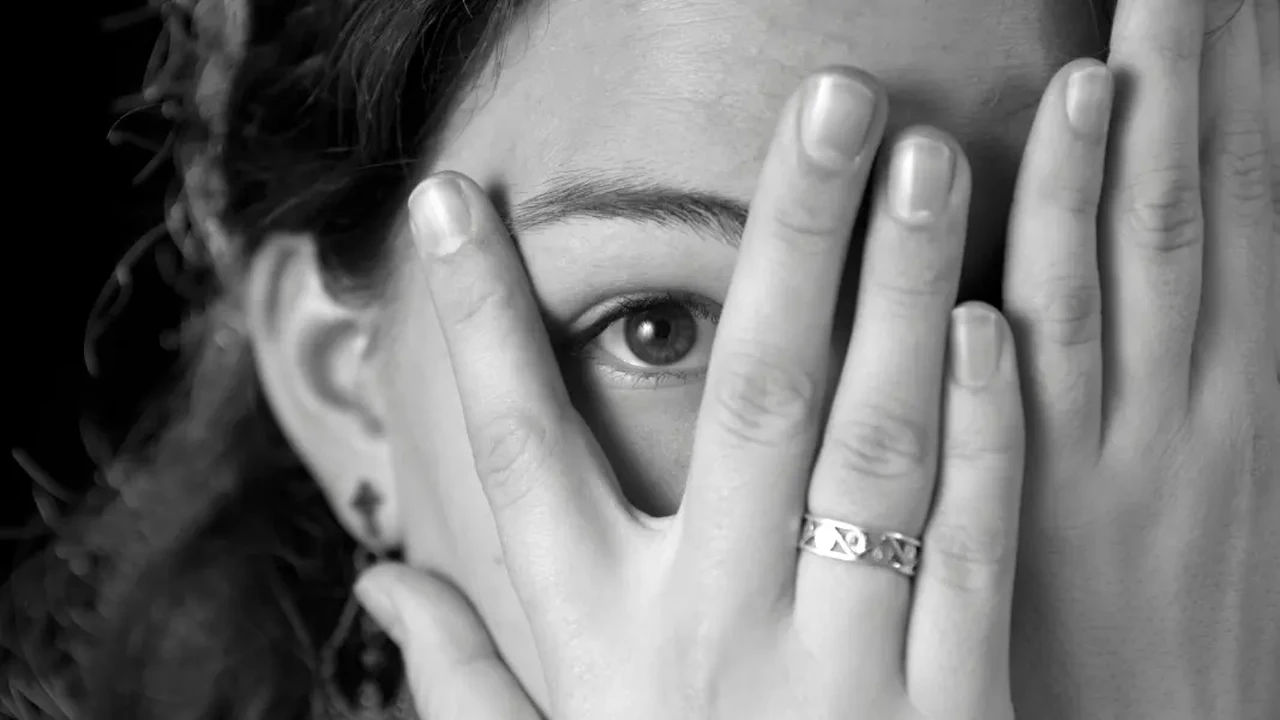
Explore the 3 main distinctions between anxiety and fear. Understand these emotions better for improved mental well-being.
3 Key Differences Between Anxiety and Fear
Hey there! Ever felt that knot in your stomach, that racing heart, and wondered if it's anxiety or just plain fear? You're not alone. These two emotions often get lumped together, and while they share some common ground, they're actually quite distinct. Understanding the nuances between anxiety and fear isn't just academic; it can genuinely help you navigate your emotional landscape more effectively, leading to improved mental well-being. Let's dive into the three key differences that set these powerful emotions apart.
Difference 1 The Nature of the Threat Anxiety vs Fear Triggers
The most fundamental distinction between anxiety and fear lies in the nature of the threat. Think of it this way: fear is like a spotlight, while anxiety is more like a pervasive fog.
Fear A Response to an Immediate and Specific Threat
Fear is our body's primal, immediate response to a clear, present, and specific danger. Imagine you're walking in the jungle and suddenly come face-to-face with a tiger. Your heart pounds, your muscles tense, and you're ready to either fight or flee. That's fear in action. It's a survival mechanism, designed to protect us from imminent harm. The threat is tangible, observable, and often right in front of us. It has a clear beginning and a clear end – once the danger is gone, the fear typically subsides.
Examples of fear triggers include:
- Seeing a venomous snake
- Being in a car accident
- Standing on the edge of a tall cliff
- Receiving a sudden, shocking piece of bad news
The physiological response to fear is intense and acute. It's often described as the 'fight or flight' response, preparing your body for immediate action. Your adrenaline surges, your pupils dilate, and your senses sharpen. This is all geared towards dealing with the specific threat at hand.
Anxiety A Response to a Future or Ambiguous Threat
Anxiety, on the other hand, is a more generalized, future-oriented emotion. It's often a response to a perceived threat that isn't immediate, specific, or even clearly defined. Instead of a tiger, imagine you're constantly worried about what if a tiger appears, or what if you get lost in the jungle, or what if you run out of food. The threat is often vague, potential, or even imagined. It's about anticipation, apprehension, and a sense of unease about what might happen.
Examples of anxiety triggers include:
- Worrying about an upcoming job interview
- Feeling uneasy about your financial future
- Constantly replaying past mistakes or anticipating future failures
- General feelings of dread without a clear cause
The physiological response to anxiety can be similar to fear, but it tends to be more prolonged and less intense in its acute spikes. It's a sustained state of heightened arousal, often leading to chronic stress, muscle tension, and difficulty sleeping. Because the threat is often internal or ambiguous, there's no clear 'fight or flight' target, leading to a feeling of being stuck or overwhelmed.
Difference 2 The Duration and Focus Anxiety vs Fear Duration
Another crucial difference lies in how long these emotions last and what they focus on. Fear is typically short-lived and focused on the present, while anxiety can linger and often fixates on the future.
Fear Short-Lived and Present-Focused
When you encounter that tiger, your fear response is intense but usually brief. Once the tiger is gone, or you've escaped to safety, the fear begins to dissipate. Your body returns to its normal state, and you might feel a sense of relief, even exhaustion. The focus is entirely on the 'here and now' – surviving the immediate danger. There's little room for rumination about what happened yesterday or what might happen tomorrow when a tiger is staring you down.
Think about a sudden loud noise. You might jump, your heart might race for a few seconds, but once you realize it was just a car backfiring, your fear quickly subsides. The experience is acute and time-bound.
Anxiety Prolonged and Future-Focused
Anxiety, conversely, can be a persistent companion. It's not tied to a single, fleeting event. Instead, it can be a chronic state of worry that stretches across days, weeks, or even months. The focus is almost always on the future – what could go wrong, what might happen, the potential negative outcomes of various situations. This future-orientation means that even when there's no immediate danger, the anxious mind can conjure up endless scenarios of potential threats.
For example, if you're anxious about an upcoming presentation, you might spend days or weeks worrying about stumbling over your words, forgetting your points, or being judged by the audience. Even when you're not actively preparing, the worry can gnaw at you, affecting your sleep, concentration, and overall mood. This prolonged state of apprehension is a hallmark of anxiety.
Difference 3 The Cognitive Component Anxiety vs Fear Thoughts
While both emotions involve thoughts, the nature and role of those thoughts differ significantly between fear and anxiety. This cognitive component is where much of the 'psychology' really comes into play.
Fear Primarily Instinctive and Automatic
Fear, especially in its most primal form, is largely an automatic, instinctive response. While there's a quick cognitive appraisal (e.g., 'That's a tiger, it's dangerous!'), the bulk of the reaction is physiological and behavioral. Your body reacts almost before your conscious mind fully processes the situation. The thoughts associated with fear are usually direct and survival-oriented: 'Run!', 'Hide!', 'Fight!'. There's less complex rumination or 'what if' scenarios; it's about immediate action.
Consider a child who touches a hot stove. Their immediate reaction is to pull their hand away, driven by pain and fear. The cognitive processing is minimal and instantaneous, focused on avoiding harm.
Anxiety Heavily Driven by Cognitive Appraisal and Rumination
Anxiety, on the other hand, is deeply intertwined with our thoughts. It's often fueled by a continuous loop of negative self-talk, catastrophic thinking, and 'what if' scenarios. The cognitive appraisal is central to anxiety; it's not just a reaction to a threat, but an active construction of potential threats in our minds. We anticipate, predict, and often exaggerate negative outcomes, even when there's little evidence to support them.
This cognitive component manifests as:
- Rumination: Repeatedly thinking about a problem or past event without finding a solution.
- Catastrophizing: Imagining the worst possible outcome for a situation.
- Overthinking: Analyzing situations excessively, leading to paralysis by analysis.
- Worry: A chain of thoughts and images, negatively affect-laden and relatively uncontrollable.
For someone with social anxiety, the thought process before a social event might involve hours of worrying about saying the wrong thing, being judged, or making a fool of themselves. These thoughts aren't just fleeting; they can become deeply ingrained patterns that perpetuate the anxiety.
Understanding the Overlap and When to Seek Help Anxiety vs Fear Management
While we've highlighted the differences, it's important to acknowledge that fear and anxiety can sometimes overlap. A specific fear, like a fear of flying, can trigger anxiety about an upcoming flight. Similarly, chronic anxiety can make you more prone to intense fear responses. The key is to recognize when these emotions become disproportionate to the situation or start to significantly impair your daily life.
If you find yourself constantly overwhelmed by worry, experiencing panic attacks, avoiding situations due to fear, or if your anxiety is impacting your relationships, work, or overall well-being, it might be time to seek professional help. Mental health professionals can provide strategies and support tailored to your specific needs.
Tools and Resources for Managing Anxiety and Fear Best Anxiety Relief Products
Managing anxiety and fear often involves a multi-faceted approach, combining therapeutic techniques with practical tools. Here are some highly-rated products and resources that can help, along with their typical use cases and price ranges.
Mindfulness and Meditation Apps Top Meditation Apps for Anxiety
These apps are fantastic for cultivating mindfulness, reducing stress, and learning to observe your thoughts without judgment. They offer guided meditations, breathing exercises, and sleep stories.
1. Calm
- Use Case: Daily meditation, sleep aid, stress reduction, mindfulness training.
- Features: Guided meditations (various lengths and topics), sleep stories (narrated by celebrities), breathing programs, masterclasses on mental wellness.
- Comparison: Known for its soothing interface and extensive library of sleep content. Often compared to Headspace but with a slightly more serene aesthetic.
- Price: Free basic content; Premium subscription around $69.99/year or $399.99 for a lifetime.
2. Headspace
- Use Case: Learning meditation fundamentals, stress management, improving focus, better sleep.
- Features: Guided meditations (beginner to advanced), 'SOS' sessions for immediate relief, sleep sounds, mindful movement exercises.
- Comparison: Excellent for beginners, with a clear, structured approach to teaching meditation. More animated and playful than Calm.
- Price: Free basic content; Premium subscription around $69.99/year or $399.99 for a lifetime.
3. Insight Timer
- Use Case: Free meditation, access to a vast library of guided meditations, talks, and music from various teachers.
- Features: Thousands of free guided meditations, meditation timer, discussion groups, live events.
- Comparison: Offers the most free content among popular meditation apps. Great for those who want variety and don't mind exploring different teachers.
- Price: Mostly free; Premium subscription (Insight Timer MemberPlus) around $59.99/year for offline access and advanced features.
Weighted Blankets Best Weighted Blankets for Sleep and Anxiety
Weighted blankets provide deep pressure stimulation, which can have a calming effect, similar to a hug. This can help reduce anxiety and improve sleep quality.
1. Gravity Blanket
- Use Case: Reducing anxiety, improving sleep, sensory regulation.
- Features: Even weight distribution, soft duvet cover (often removable and washable), available in various weights (choose 10% of your body weight).
- Comparison: One of the original and most well-known weighted blanket brands. High-quality construction and materials.
- Price: Typically ranges from $150 - $250 depending on size and weight.
2. Bearaby Cotton Napper
- Use Case: Anxiety relief, natural cooling, comfortable sleep.
- Features: Made from organic cotton, breathable knitted design (no beads), available in various weights and colors.
- Comparison: Unique knitted design makes it more breathable than traditional beaded blankets, ideal for warmer climates or hot sleepers.
- Price: Ranges from $249 - $349.
3. YnM Weighted Blanket
- Use Case: Affordable anxiety relief, improved sleep.
- Features: Glass bead filling, multiple layers for even weight distribution, wide range of sizes and weights, often comes with a duvet cover option.
- Comparison: A popular budget-friendly option that still delivers good quality and effectiveness.
- Price: Ranges from $40 - $100, depending on size and weight.
Therapy and Counseling Online Therapy Platforms for Mental Health
For persistent anxiety or fear, professional guidance is invaluable. Online therapy platforms make it more accessible.
1. BetterHelp
- Use Case: General anxiety, specific fears, depression, relationship issues, stress management.
- Features: Connects users with licensed therapists via text, audio, or video calls. Flexible scheduling, diverse therapist pool.
- Comparison: One of the largest and most recognized online therapy platforms. Good for finding a therapist quickly and conveniently.
- Price: Weekly cost ranges from $60 to $90, billed monthly ($240-$360). Financial aid often available.
2. Talkspace
- Use Case: Anxiety disorders, depression, stress, trauma, couples therapy.
- Features: Unlimited messaging therapy, live video sessions, psychiatry services available.
- Comparison: Similar to BetterHelp but often emphasizes unlimited messaging. Also offers psychiatry for medication management.
- Price: Plans range from $276 to $436 per month, depending on the level of service (messaging only vs. live sessions).
3. Online-Therapy.com
- Use Case: Cognitive Behavioral Therapy (CBT) for anxiety, depression, OCD, etc.
- Features: Structured CBT program with worksheets, journal, yoga videos, and live sessions with a therapist.
- Comparison: Focuses specifically on CBT, making it ideal for those who want a structured, evidence-based approach.
- Price: Weekly cost ranges from $39.95 to $79.95, depending on the plan (basic to premium).
Fidget Toys and Stress Balls Best Fidget Tools for Anxiety
These tactile tools can provide a healthy outlet for nervous energy and help ground you in the present moment.
1. Pop It Fidget Toys
- Use Case: Mild anxiety, stress relief, focus aid, sensory play.
- Features: Silicone bubbles that can be pushed in and out, creating a satisfying popping sound and tactile sensation.
- Comparison: Simple, inexpensive, and widely popular. Great for discreet fidgeting.
- Price: Typically $5 - $15.
2. Stress Balls (Therapy Putty)
- Use Case: Hand strengthening, stress relief, anxiety reduction, sensory input.
- Features: Various resistances and textures, can be squeezed, stretched, and molded.
- Comparison: Classic stress relief tool. Therapy putty offers more resistance and can be used for hand exercises.
- Price: Stress balls $5 - $10; Therapy putty $10 - $20.
3. Fidget Spinners
- Use Case: Focus improvement, anxiety reduction, sensory stimulation.
- Features: Small, multi-lobed device with a bearing in its center, designed to spin.
- Comparison: While their popularity has waned, they remain effective for some in providing a visual and tactile distraction.
- Price: Typically $5 - $20.
Aromatherapy Diffusers and Essential Oils Natural Anxiety Relief Solutions
Certain essential oils can have calming properties when diffused or applied topically (diluted).
1. doTERRA Petal Diffuser and Lavender Essential Oil
- Use Case: Relaxation, sleep promotion, stress reduction, creating a calming atmosphere.
- Features: Diffuser uses water and essential oils to create a fine mist. Lavender oil is known for its calming properties.
- Comparison: doTERRA is a well-known brand for high-quality essential oils. The Petal Diffuser is user-friendly and effective.
- Price: Diffuser around $40 - $50; Lavender oil (15ml) around $25 - $35.
2. NOW Solutions Ultrasonic Essential Oil Diffuser and Serenity Blend
- Use Case: Creating a peaceful environment, promoting relaxation, reducing tension.
- Features: Ultrasonic technology, automatic shut-off, various light settings. Serenity Blend often contains calming oils like lavender, chamomile, and ylang-ylang.
- Comparison: NOW Solutions offers good quality at a more accessible price point than some premium brands.
- Price: Diffuser around $25 - $40; Serenity Blend (30ml) around $15 - $25.
3. VicTsing Essential Oil Diffuser and Plant Therapy Calming the Child Blend
- Use Case: Calming children (and adults), promoting relaxation, improving sleep.
- Features: Large water capacity, quiet operation, multiple mist modes, BPA-free. Plant Therapy's blend is specifically formulated to be safe for children.
- Comparison: VicTsing diffusers are popular for their affordability and reliability. Plant Therapy is known for its high-quality, kid-safe essential oils.
- Price: Diffuser around $20 - $35; Calming the Child Blend (10ml) around $15 - $20.
Final Thoughts on Anxiety and Fear Understanding Your Emotions
By understanding these three key differences – the nature of the threat, the duration and focus, and the cognitive component – you can begin to differentiate between fear and anxiety in your own experiences. This clarity is the first step towards developing more effective coping strategies. Whether it's learning to ground yourself in the present moment when fear strikes, or challenging those 'what if' thoughts that fuel anxiety, knowledge truly is power when it comes to your emotional well-being. Remember, it's okay to feel these emotions, but it's also important to manage them so they don't manage you. Take care of yourself!
:max_bytes(150000):strip_icc()/277019-baked-pork-chops-with-cream-of-mushroom-soup-DDMFS-beauty-4x3-BG-7505-5762b731cf30447d9cbbbbbf387beafa.jpg)