5 Ways to Combat Burnout in High Stress Jobs
Discover 5 effective ways to combat burnout and maintain well-being in high-stress professional roles.
Discover 5 effective ways to combat burnout and maintain well-being in high-stress professional roles.
5 Ways to Combat Burnout in High Stress Jobs
Hey everyone! Let's talk about something super important that affects so many of us, especially in today's fast-paced world: burnout. If you're in a high-stress job, you know exactly what I'm talking about. That feeling of being completely drained, emotionally exhausted, and just plain over it? Yeah, that's burnout. It's not just feeling tired; it's a serious state of chronic stress that can impact your physical and mental health, your relationships, and your overall quality of life. But here's the good news: you're not alone, and there are definitely ways to fight back. We're going to dive deep into five effective strategies to combat burnout and help you maintain your well-being, even when your job demands a lot.
Understanding Burnout What It Is and Why It Matters
Before we jump into solutions, let's get a clear picture of what burnout actually is. The World Health Organization (WHO) officially recognizes burnout as an occupational phenomenon, characterized by three dimensions: feelings of energy depletion or exhaustion; increased mental distance from one’s job, or feelings of negativism or cynicism related to one’s job; and reduced professional efficacy. It's not just a bad day or a tough week; it's a prolonged response to chronic workplace stress that hasn't been successfully managed. Think of it as your body and mind waving a white flag. It matters because if left unaddressed, burnout can lead to serious health issues like heart disease, high blood pressure, type 2 diabetes, and even depression and anxiety. Plus, it severely impacts your performance at work, your relationships, and your overall happiness. So, taking this seriously is a huge step towards a healthier, more fulfilling life.
Strategy 1 Setting Boundaries and Saying No to Overwhelm
This might sound simple, but it's often the hardest thing to do, especially for dedicated professionals. Setting boundaries is about defining what you will and won't do, and when. It's about protecting your time, energy, and mental space. In high-stress jobs, the lines between work and personal life can easily blur, leading to constant availability and an 'always-on' mentality. This is a direct path to burnout. Learning to say 'no' is a superpower. It doesn't mean you're not a team player; it means you understand your limits and prioritize your well-being. This could involve setting specific work hours and sticking to them, not checking emails after a certain time, or declining extra tasks when your plate is already full. It's about being realistic about what you can achieve without sacrificing your health.
Practical Tips for Boundary Setting and Saying No
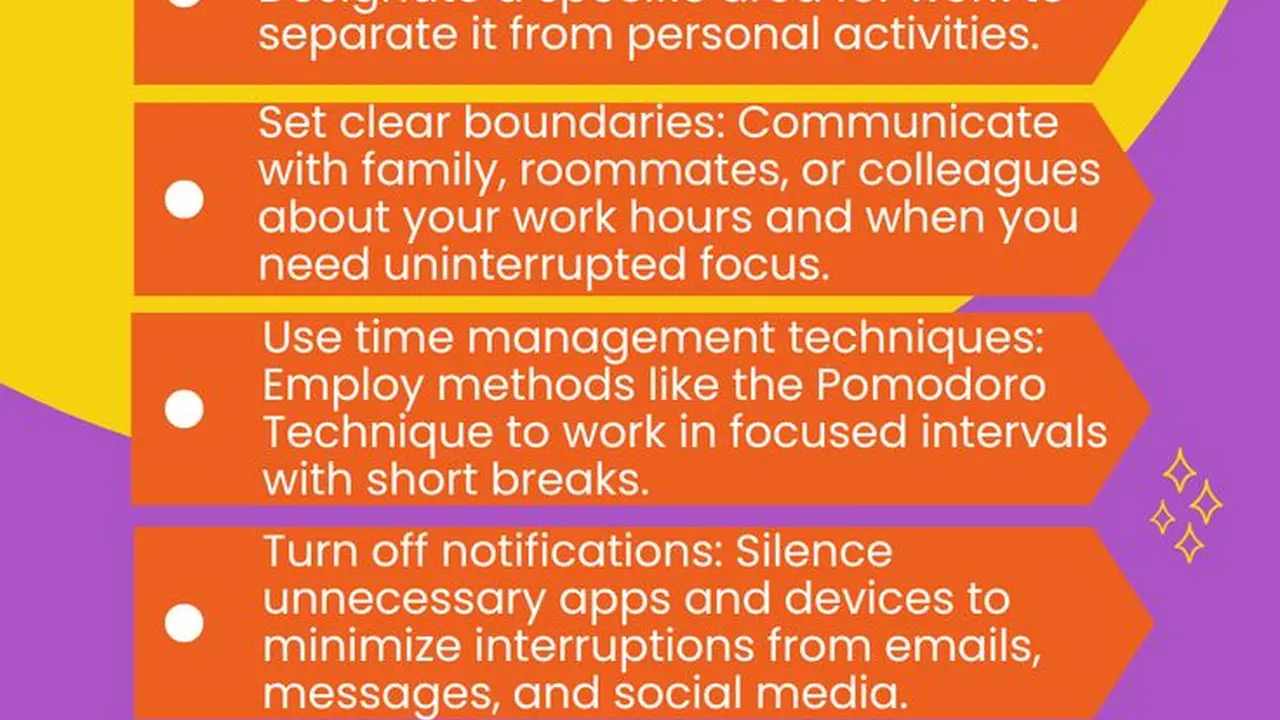
- Define Your Non-Negotiables: What are the absolute must-haves for your well-being? Is it an hour of exercise, family dinner, or uninterrupted sleep? Protect these times fiercely.
- Communicate Clearly: Let your colleagues and managers know your availability. For example, 'I'll be offline after 6 PM and will respond to emails tomorrow morning.'
- Use Technology Wisely: Turn off work notifications on your personal devices. Use 'Do Not Disturb' modes.
- Practice Saying No: Start small. Decline a non-essential meeting or a request that can wait. You don't need elaborate excuses; a simple 'I'm unable to take that on right now' is often enough.
- Prioritize Tasks: Learn to distinguish between urgent and important. Focus on what truly moves the needle and delegate or defer the rest.
Strategy 2 Prioritizing Self-Care and Recharge Activities
Self-care isn't selfish; it's essential. Think of your body and mind like a battery. If you're constantly draining it without recharging, eventually it's going to die. High-stress jobs are huge energy consumers, so intentional recharge activities are non-negotiable. This isn't just about bubble baths (though those are great!); it's about actively engaging in activities that replenish your energy, calm your mind, and bring you joy. What works for one person might not work for another, so it's about finding what truly recharges you. This could be anything from exercise, meditation, hobbies, spending time in nature, reading, or connecting with loved ones. The key is to make these activities a priority, not an afterthought.
Recommended Self-Care Products and Tools for High-Stress Professionals
To help you on your self-care journey, here are some product recommendations that can make a real difference. Remember, these are tools to support your well-being, not magic fixes. Consistency is key!
Meditation and Mindfulness Apps
These apps can guide you through meditation, breathing exercises, and mindfulness practices, helping to reduce stress and improve focus. They are fantastic for beginners and experienced meditators alike, offering sessions ranging from a few minutes to longer, more in-depth practices.
- Calm:
- Description: Known for its guided meditations, sleep stories, breathing programs, and masterclasses. It's very user-friendly and offers a wide range of content for stress, anxiety, and sleep.
- Use Case: Daily meditation, winding down before bed, quick stress relief during the workday.
- Comparison: Often praised for its sleep stories and celebrity narrators.
- Pricing: Free basic content; Premium subscription is approximately $69.99/year or $399.99 for a lifetime.
- Headspace:
- Description: Offers guided meditations, courses on various topics (stress, focus, relationships), and 'SOS' sessions for moments of crisis. Its animations and clear instructions make mindfulness accessible.
- Use Case: Learning meditation fundamentals, improving focus, managing anxiety.
- Comparison: More focused on teaching the 'how-to' of meditation with a structured approach.
- Pricing: Free basic content; Premium subscription is approximately $69.99/year or $399.99 for a lifetime.
- Insight Timer:
- Description: Features the largest free library of guided meditations (over 100,000), meditation timers, and discussion groups. It's a community-driven platform.
- Use Case: Exploring a vast variety of meditation styles, connecting with a global community, using a simple meditation timer.
- Comparison: Offers significantly more free content than Calm or Headspace, making it great for budget-conscious users.
- Pricing: Mostly free; Premium subscription (Insight Timer MemberPlus) is approximately $59.99/year.
Smart Sleep Trackers and Aids
Quality sleep is paramount for combating burnout. These devices can help you understand your sleep patterns and create a more conducive environment for rest.
- Oura Ring:
- Description: A smart ring that tracks sleep stages, heart rate variability (HRV), body temperature, and activity levels. It provides daily readiness scores to help you understand your body's recovery.
- Use Case: Comprehensive sleep and recovery tracking, understanding how daily activities impact sleep.
- Comparison: Worn on the finger, making it less intrusive than wrist-based trackers for sleep. Highly accurate for sleep staging.
- Pricing: Starts around $299 for the ring, plus a monthly membership fee of $5.99.
- Hatch Restore 2:
- Description: A smart sleep assistant that combines a sound machine, sunrise alarm, and reading light. It offers guided meditations and wind-down routines.
- Use Case: Creating a personalized sleep routine, gentle wake-up, white noise for better sleep.
- Comparison: Focuses specifically on creating an optimal sleep environment rather than just tracking.
- Pricing: Approximately $199.99, with an optional subscription for premium content at $4.99/month.
Ergonomic Office Equipment
Physical discomfort can exacerbate stress. Investing in ergonomic equipment can improve your physical well-being, which in turn supports mental well-being.
- Standing Desk (e.g., FlexiSpot E7 Pro):
- Description: Allows you to easily switch between sitting and standing throughout the day, reducing sedentary time and improving posture.
- Use Case: Preventing back pain, increasing energy levels, improving circulation.
- Comparison: Many brands offer similar features; FlexiSpot is known for stability and a wide range of options.
- Pricing: Varies widely, but a good quality electric standing desk like the FlexiSpot E7 Pro starts around $400-$600.
- Ergonomic Chair (e.g., Herman Miller Aeron):
- Description: Designed to provide optimal support for your spine and posture, reducing strain during long hours of sitting.
- Use Case: Preventing chronic back and neck pain, improving comfort and focus.
- Comparison: Herman Miller is a premium brand known for durability and adjustability, but many more affordable options exist (e.g., Secretlab, Steelcase).
- Pricing: High-end chairs like the Aeron can range from $1,000-$2,000+. More budget-friendly ergonomic chairs can be found for $200-$500.
Strategy 3 Cultivating a Strong Support System
Humans are social creatures, and isolation can make burnout feel even worse. Having a strong support system – whether it's friends, family, mentors, or a therapist – is incredibly important. These are the people you can vent to, seek advice from, or simply spend time with to take your mind off work. Sometimes, just knowing you're not alone and that someone understands what you're going through can make a huge difference. Don't underestimate the power of connection. If you don't feel like you have a strong support system, actively seek one out. This could mean joining professional groups, volunteering, or engaging in community activities. A therapist can also be an invaluable part of your support system, offering professional guidance and coping strategies.
Building and Nurturing Your Support Network
- Connect with Peers: Talk to colleagues who understand the specific pressures of your job. They might offer unique insights or simply a listening ear.
- Lean on Friends and Family: Make time for your loved ones. These relationships provide emotional support and a much-needed escape from work-related stress.
- Seek Professional Help: Don't hesitate to talk to a therapist or counselor. They can provide tools and strategies for managing stress and burnout. Many workplaces offer Employee Assistance Programs (EAPs) that provide free or low-cost counseling.
- Find a Mentor: A mentor who has navigated similar career challenges can offer invaluable guidance and perspective.
- Join a Community: Whether it's a hobby group, a professional organization, or an online forum, connecting with like-minded individuals can reduce feelings of isolation.
Strategy 4 Practicing Mindfulness and Stress Reduction Techniques
In a high-stress environment, your mind can feel like a hamster wheel, constantly spinning with worries and to-do lists. Mindfulness and stress reduction techniques are about intentionally slowing down that wheel and bringing your attention to the present moment. This isn't about emptying your mind, but rather observing your thoughts and feelings without judgment. Regular practice can literally rewire your brain, making you more resilient to stress and improving your emotional regulation. This includes practices like meditation, deep breathing exercises, progressive muscle relaxation, and even mindful walking. Even just a few minutes a day can make a significant impact on your overall well-being and ability to cope with pressure.
Effective Mindfulness and Stress Reduction Practices
- Deep Breathing Exercises: Simple yet powerful. Try the 4-7-8 breathing technique: inhale for 4 counts, hold for 7, exhale for 8. Repeat several times.
- Mindful Meditation: Use apps like Calm or Headspace, or simply sit quietly and focus on your breath. When your mind wanders (and it will!), gently bring it back to your breath.
- Body Scan Meditation: Lie down and systematically bring your attention to different parts of your body, noticing any sensations without judgment.
- Mindful Movement: Engage in activities like yoga, Tai Chi, or even just a slow, intentional walk, paying attention to the sensations in your body and your surroundings.
- Journaling: Writing down your thoughts and feelings can be a powerful way to process stress and gain perspective.
Strategy 5 Re-evaluating Your Relationship with Work and Purpose
Sometimes, burnout isn't just about too much work; it's about a disconnect from your work's meaning or purpose. In high-stress jobs, it's easy to get caught up in the grind and lose sight of why you started in the first place. Taking time to re-evaluate your relationship with your work can be incredibly empowering. Ask yourself: Does this job align with my values? Am I still passionate about what I do? Am I making a meaningful contribution? If the answer is no, it might be time to consider adjustments, whether that's finding new projects, seeking a different role within your company, or even exploring a career change. This isn't about quitting your job tomorrow, but about understanding what truly motivates you and ensuring your work contributes to your overall sense of purpose and fulfillment. Sometimes, even small shifts in perspective or responsibilities can reignite your spark.
Questions for Self-Reflection on Work and Purpose
- What aspects of my job do I genuinely enjoy? Focus on these and see if you can increase your involvement in them.
- What are my core values, and how does my current role align with them? If there's a significant mismatch, it might be a source of chronic stress.
- Am I utilizing my strengths and skills effectively? Feeling underutilized can be just as draining as being overworked.
- What impact do I want to make, and how does my job contribute to that? Reconnecting with the 'why' can be very motivating.
- What would a more fulfilling work life look like for me? Don't be afraid to dream big, then break it down into actionable steps.
Combating burnout in high-stress jobs is an ongoing process, not a one-time fix. It requires self-awareness, intentional effort, and a commitment to prioritizing your well-being. By setting boundaries, prioritizing self-care, building a strong support system, practicing mindfulness, and regularly re-evaluating your relationship with work, you can create a more sustainable and fulfilling professional life. Remember, your health and happiness are your most valuable assets. Take care of yourself!
:max_bytes(150000):strip_icc()/277019-baked-pork-chops-with-cream-of-mushroom-soup-DDMFS-beauty-4x3-BG-7505-5762b731cf30447d9cbbbbbf387beafa.jpg)