Boosting Focus How to Minimize Distractions at Work
Strategies to boost focus and effectively minimize distractions in any work environment.
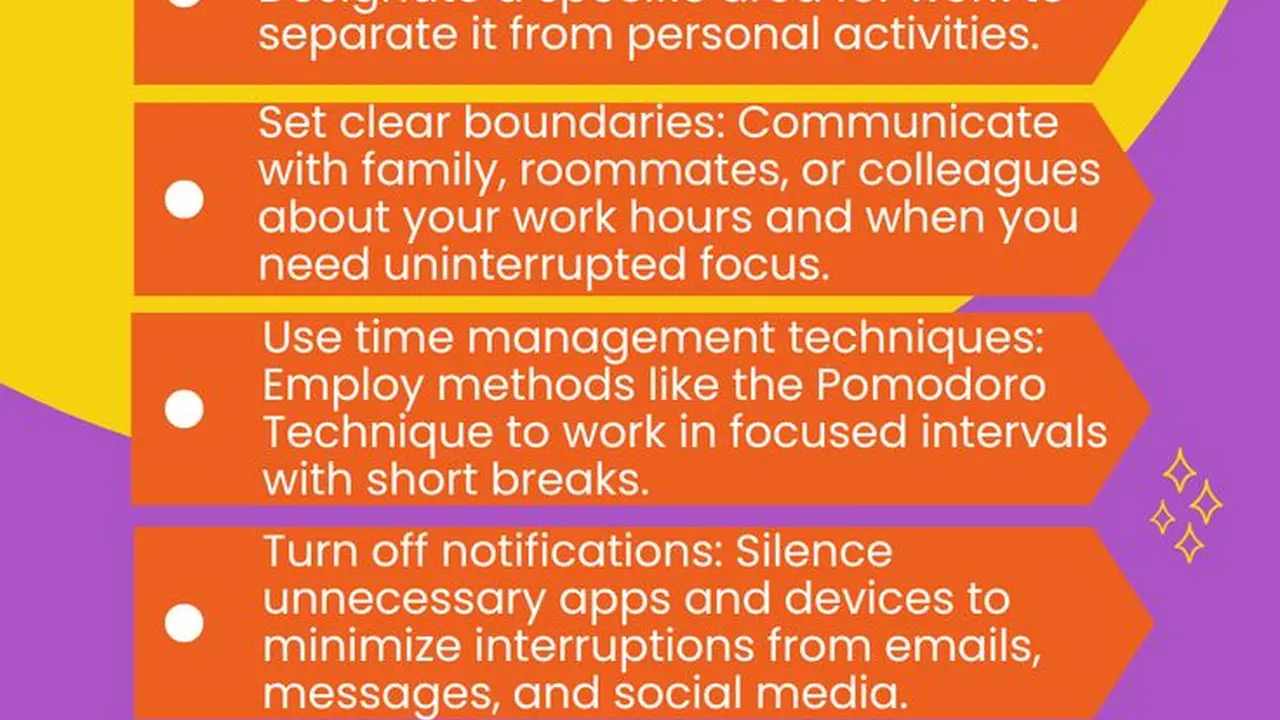
Strategies to boost focus and effectively minimize distractions in any work environment. Let's face it, staying focused at work can feel like an Olympic sport these days. With constant notifications, open-plan offices, and the endless allure of the internet, distractions are everywhere. But don't worry, you're not alone, and more importantly, there are tons of practical ways to reclaim your concentration and boost your productivity. This isn't about becoming a robot; it's about creating an environment and adopting habits that allow you to do your best work.
Boosting Focus How to Minimize Distractions at Work
Understanding Workplace Distractions Common Focus Killers
Before we dive into solutions, let's get real about what's actually pulling our attention away. Understanding these common focus killers is the first step to conquering them. Think of it like identifying your opponent in a game – once you know their moves, you can plan your strategy.External Distractions The Obvious Culprits
These are the ones we usually blame. They're outside of us, often loud, and sometimes unavoidable. In an office setting, this could be anything from a colleague's loud phone call to the constant chatter around you. For remote workers, it might be family members, pets, or even the doorbell.- Noise Pollution: Open-plan offices are notorious for this. The clatter of keyboards, phone conversations, impromptu meetings – it all adds up.
- Visual Clutter: A messy desk, too many open tabs on your screen, or even people walking by can break your concentration.
- Unscheduled Interruptions: Colleagues popping over for a 'quick question,' unexpected meetings, or even delivery people.
- Digital Notifications: Emails, Slack messages, social media alerts – these are designed to grab your attention.
Internal Distractions The Sneaky Saboteurs
These are often harder to pinpoint because they come from within. They're your thoughts, feelings, and habits. These can be just as, if not more, disruptive than external factors.- Mind Wandering: Daydreaming, thinking about personal errands, or replaying a conversation.
- Procrastination: The urge to do anything but the task at hand, often leading to endless scrolling or 'research.'
- Stress and Anxiety: Worrying about deadlines, personal issues, or future events can make it impossible to focus.
- Fatigue: When you're tired, your brain struggles to maintain focus, making you more susceptible to distractions.
- Lack of Clear Goals: If you don't know exactly what you're supposed to be doing, it's easy to get sidetracked.
Creating a Distraction Free Workspace Optimizing Your Environment
Your physical environment plays a huge role in your ability to focus. Think of it as setting the stage for peak performance. Whether you're in an office or working from home, a few strategic adjustments can make a world of difference.Physical Space Setup for Enhanced Focus
This is about making your immediate surroundings conducive to concentration.- Declutter Your Desk: A clean desk leads to a clear mind. Remove anything that isn't directly related to your current task.
- Optimize Lighting: Natural light is best. If that's not possible, use good quality artificial light that mimics daylight to reduce eye strain and boost alertness.
- Minimize Visual Distractions: Position your desk facing a wall if possible, or away from high-traffic areas. Close unnecessary browser tabs and applications.
- Comfort is Key: An ergonomic chair, proper monitor height, and a comfortable temperature can prevent physical discomfort from becoming a distraction.
Noise Management Solutions for Quieter Work
Noise is a huge culprit for many. Here's how to tackle it.- Noise-Canceling Headphones: These are a game-changer. They don't just block out noise; they create a personal bubble of quiet.
- White Noise or Ambient Sounds: If complete silence is too jarring, try apps or websites that generate white noise, nature sounds, or instrumental music.
- Communicate Boundaries: If you're in an office, politely let colleagues know when you need uninterrupted focus time. For remote workers, establish clear boundaries with family members.
Digital Detox Strategies for Minimizing Online Distractions
Our digital devices are both our greatest tools and our biggest sources of distraction. Taming the digital beast is crucial for focus.Managing Notifications and Digital Clutter
This is about taking control of your devices, not letting them control you.- Turn Off Non-Essential Notifications: Seriously, do you need a ping every time someone likes your Instagram post while you're working? Probably not. Turn off all non-essential notifications on your phone and computer.
- Use 'Do Not Disturb' Modes: Most devices have them. Schedule them for your core work hours.
- Batch Communication: Instead of checking emails and messages constantly, set specific times to respond. This prevents constant context switching.
- Close Unnecessary Tabs and Apps: Before starting a focused task, close everything that isn't absolutely essential.
Focus-Enhancing Software and Apps Product Recommendations
There's a whole world of tools designed to help you stay on track. Here are some popular ones, with a look at their features and typical pricing.1. Freedom App Blocking for Deep Work
* What it does: Freedom is a powerful app and website blocker. You can create custom blocklists for distracting websites (social media, news sites, shopping) and apps, then schedule 'sessions' where these are inaccessible across all your devices (computer, phone, tablet). It's great for enforcing deep work periods. * Key Features: Cross-device blocking, custom blocklists, scheduled sessions, 'locked mode' to prevent early session termination, session history and statistics. * Use Cases: Ideal for writers, coders, students, or anyone who needs extended periods of uninterrupted concentration. Perfect for battling social media addiction during work hours. * Pricing: Offers a free trial (7 sessions). Subscription plans typically start around $6.99/month or $29/year. A lifetime plan is also available for a one-time fee (around $129). * Comparison: More robust and cross-platform than browser-specific extensions. Its 'locked mode' is a strong deterrent against giving in to temptation.2. Cold Turkey Blocker Comprehensive Desktop Blocking
* What it does: Similar to Freedom, Cold Turkey is a highly customizable website and application blocker for Windows and macOS. It's known for its 'Frozen Turkey' mode, which makes it incredibly difficult to bypass once a block is active. You can block specific websites, applications, or even your entire computer. * Key Features: Website and application blocking, scheduled blocks, 'Frozen Turkey' mode (prevents unblocking until the timer runs out), custom block messages, statistics. * Use Cases: Excellent for individuals who need strict control over their digital environment during work. Particularly useful for those who find themselves constantly opening distracting apps. * Pricing: A free version offers basic website blocking. The Pro version (one-time purchase, around $39) unlocks app blocking, scheduled blocks, and the 'Frozen Turkey' mode. * Comparison: Offers a strong 'hardcore' blocking option with 'Frozen Turkey' that some other apps lack, making it very effective for serious digital detox during work.3. Forest Stay Focused, Plant Trees
* What it does: Forest is a unique productivity app that uses gamification to help you stay focused. When you want to focus, you 'plant' a virtual tree. If you leave the app before your timer is up, your tree dies. If you stay focused, your tree grows. Over time, you build a forest. They also partner with a real tree-planting organization. * Key Features: Gamified focus timer (Pomodoro-like), whitelist for essential apps, detailed statistics, real tree planting (with virtual coins earned). * Use Cases: Great for people who respond well to positive reinforcement and gamification. Excellent for Pomodoro Technique users. Good for both short and long focus sessions. * Pricing: Free on Android. iOS version is a one-time purchase (around $3.99). In-app purchases for additional tree types or to contribute more to real tree planting. * Comparison: Less about strict blocking and more about positive reinforcement and habit building. The real tree-planting aspect adds an extra layer of motivation.4. Focus@Will Music for Concentration
* What it does: Focus@Will provides scientifically optimized music and sounds designed to help you focus and reduce distractions. It uses neuroscience to create audio channels that are specifically engineered to increase attention span and productivity, rather than just being background noise. * Key Features: Curated music channels (classical, ambient, cinematic, nature sounds, etc.), different 'states' (focus, creative, calm), timer, productivity tracking. * Use Cases: Ideal for individuals who find music helpful for concentration but struggle with finding the 'right' kind of music that doesn't distract them. Great for open-plan offices or noisy home environments. * Pricing: Offers a free trial. Subscription plans typically start around $9.99/month or $69.99/year. * Comparison: Unique in its approach, focusing solely on audio stimulation for focus, unlike blockers. It's a complementary tool that can be used alongside other blocking apps.Time Management Techniques for Sustained Focus
It's not just about removing distractions; it's also about how you manage your time and tasks. Good time management is a powerful antidote to internal distractions like procrastination and feeling overwhelmed.The Pomodoro Technique Boosting Productivity in Bursts
This is a classic for a reason. It's simple, effective, and helps you break down large tasks.- How it Works: Work for 25 minutes (one 'Pomodoro'), then take a 5-minute break. After four Pomodoros, take a longer break (15-30 minutes).
- Benefits: Prevents burnout, maintains focus, and helps you estimate task duration better.
- Tools: Any timer will do, but there are also dedicated Pomodoro apps (like Forest, mentioned above, or simple web timers).
Time Blocking Scheduling Your Focus
This involves scheduling specific blocks of time for specific tasks in your calendar.- How it Works: Dedicate certain hours of your day to 'deep work,' 'email response,' 'meetings,' etc. Treat these blocks like appointments you can't miss.
- Benefits: Provides structure, reduces decision fatigue, and ensures important tasks get dedicated attention.
- Tools: Google Calendar, Outlook Calendar, or any digital planner.
The 'Eat the Frog' Method Tackling Tough Tasks First
Based on a quote by Mark Twain, this method is about tackling your most challenging task first thing in the morning.- How it Works: Identify your 'frog' (the most important, often most dreaded, task) and complete it before anything else.
- Benefits: Builds momentum, reduces procrastination, and ensures critical work gets done before distractions pile up.
Mindset and Habits Cultivating Inner Focus
Beyond external tools and techniques, your internal state and daily habits significantly impact your ability to focus. This is about training your brain.Mindfulness and Meditation for Enhanced Concentration
These practices aren't just for relaxation; they're powerful tools for improving attention.- Short Meditation Breaks: Even 5-10 minutes of mindfulness meditation can improve your ability to stay present and reduce mind-wandering.
- Mindful Awareness: Practice bringing your attention back to your breath or your current task whenever you notice your mind drifting.
Regular Breaks and Physical Activity Recharging Your Brain
It might seem counterintuitive, but taking breaks is essential for sustained focus.- Step Away from Your Screen: Short breaks (5-10 minutes) every hour or so can prevent mental fatigue. Stand up, stretch, look out a window.
- Incorporate Movement: A quick walk, some stretches, or even just standing up and moving around can boost blood flow to your brain and improve alertness.
Prioritizing and Goal Setting Clarity for Direction
When you know what's important, it's easier to ignore what's not.- Daily Top 3: At the start of each day, identify the 3 most important tasks you need to accomplish. Focus on these first.
- Clear Goals: Ensure your tasks are clearly defined. Vague goals are breeding grounds for distraction.
Communicating Boundaries and Managing Interruptions
Even with the best personal strategies, others can still be a source of distraction. Learning to manage these interactions is key.Setting Expectations with Colleagues and Family
This requires clear communication and sometimes a bit of assertiveness.- Use Status Indicators: If your team uses Slack or similar tools, update your status to 'Focusing' or 'Do Not Disturb.'
- Politely Decline Interruptions: If someone approaches you during a focus block, politely say, 'I'm in the middle of something important right now. Can I get back to you in 30 minutes?'
- Establish 'Quiet Hours': If working from home, communicate specific times when you need uninterrupted focus to family members.
Strategies for Handling Email and Messaging Overload
Email and instant messages are constant interruption machines if not managed.- Batch Processing: Dedicate specific times (e.g., 9 AM, 1 PM, 4 PM) to check and respond to emails and messages. Close these applications outside of these times.
- Use Templates: For common inquiries, have pre-written responses ready to save time.
- Prioritize: Not every email needs an immediate response. Learn to quickly scan and prioritize.
:max_bytes(150000):strip_icc()/277019-baked-pork-chops-with-cream-of-mushroom-soup-DDMFS-beauty-4x3-BG-7505-5762b731cf30447d9cbbbbbf387beafa.jpg)