6 Tips for Giving Constructive Feedback
Discover 6 practical tips for giving constructive feedback that promotes growth and improvement.
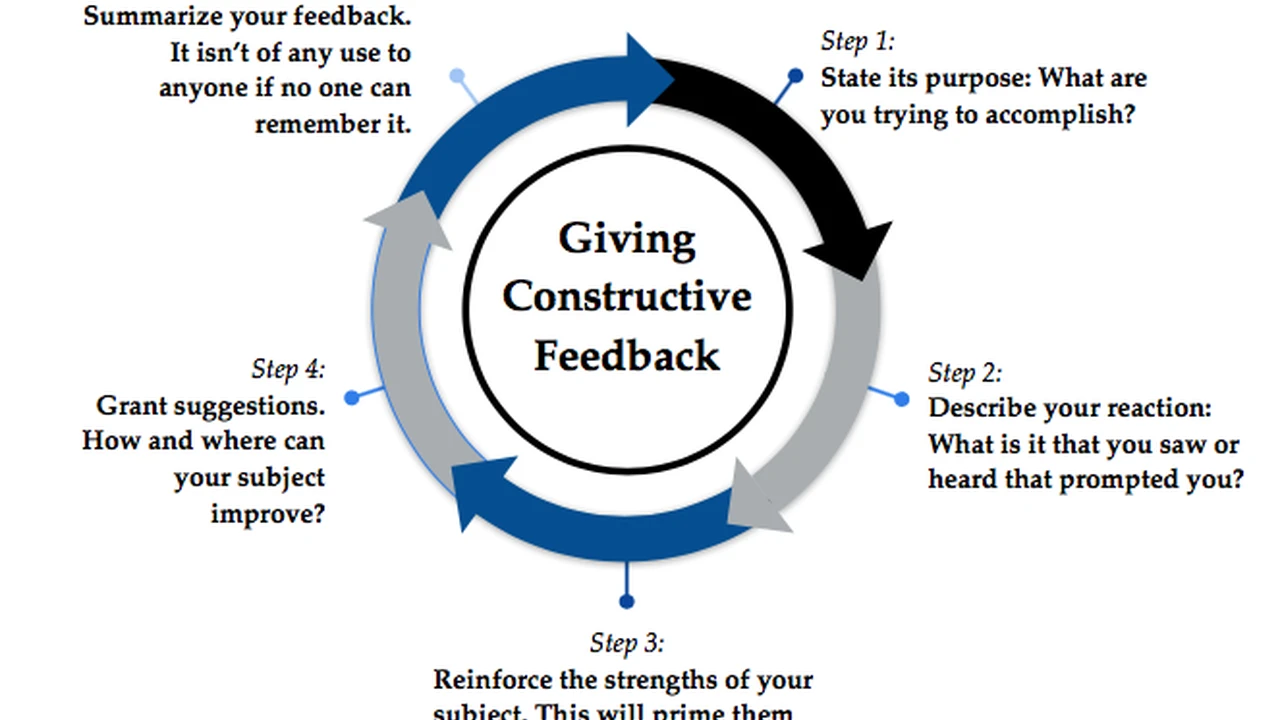
Discover 6 practical tips for giving constructive feedback that promotes growth and improvement. In today's fast-paced work environment, feedback is more than just a formality; it's a cornerstone of personal and professional development. But let's be real, giving feedback, especially when it's not all sunshine and rainbows, can feel like walking on eggshells. Nobody wants to be the bad guy, and nobody wants to demotivate their team. That's where constructive feedback comes in – it's about building up, not tearing down. It's about guiding someone towards better performance, helping them see their blind spots, and ultimately, fostering a culture of continuous improvement. This isn't just for managers; it's for colleagues, team leads, and anyone who interacts with others in a professional setting. Mastering the art of constructive feedback can transform relationships, boost team morale, and significantly impact overall productivity. So, let's dive into six practical tips that will make you a pro at delivering feedback that truly makes a difference.
The Foundation of Effective Feedback Understanding Its Purpose
Before we even get to the 'how,' let's talk about the 'why.' Why do we give feedback? Is it to vent frustration? To assert authority? Absolutely not. The primary purpose of constructive feedback is to help someone grow. It's about identifying areas for improvement, acknowledging strengths, and providing actionable insights that can lead to positive change. Think of it as a GPS for performance – it tells you where you are, where you need to go, and suggests the best route to get there. Without this clear purpose, feedback can easily be misinterpreted as criticism, leading to defensiveness and resentment. When you approach feedback with the genuine intention to help, your message will naturally be received more openly. It's also about creating a culture of trust where people feel safe to make mistakes and learn from them. This means feedback should be a regular, ongoing conversation, not a once-a-year event during performance reviews. Regular check-ins, even informal ones, can prevent small issues from becoming big problems and ensure that everyone is aligned with their goals and expectations. Remember, the goal isn't just to point out what's wrong, but to empower individuals to find solutions and excel.Tip 1 Focus on Behavior Not Personality
This is probably the golden rule of constructive feedback. When you're giving feedback, always, always, always focus on specific behaviors or actions, not on someone's personality or character. Saying "You're lazy" is a personal attack and incredibly unhelpful. It puts the person on the defensive immediately because it feels like an indictment of who they are. Instead, try something like, "I noticed that the report you submitted on Friday was missing several key data points, which delayed our team's progress." See the difference? The second statement is objective, observable, and doesn't make assumptions about the person's work ethic or intentions. It describes a specific action and its consequence. This approach makes the feedback much easier for the recipient to hear and act upon because it's about something they *did*, not something they *are*. It also removes the emotional charge from the conversation, allowing for a more rational discussion about solutions. When you stick to behaviors, you're giving the person a clear target for improvement. They can't change their personality overnight, but they can certainly change how they approach a task or how they communicate. This also helps to keep the conversation professional and focused on work-related outcomes. So, next time you're preparing to give feedback, ask yourself: Am I describing an action, or am I labeling a person?Tip 2 Be Specific and Provide Examples
General feedback is about as useful as a chocolate teapot. "You need to improve your communication" is vague and leaves the recipient wondering, "Okay, but how? What specifically?" To make your feedback truly constructive, you need to be specific and back it up with concrete examples. Instead of the vague statement above, try: "During yesterday's team meeting, when you presented the Q3 sales figures, I noticed you didn't pause for questions, and several team members looked confused. In the future, try to build in a few moments for Q&A after each major section." This is incredibly helpful because it paints a clear picture of what happened, when it happened, and what the impact was. The recipient now has a specific incident to reflect on and a clear suggestion for how to improve. Examples are crucial because they remove ambiguity. They show, rather than tell, what the issue is. Without examples, feedback can feel like an accusation without evidence, making it hard for the person to understand or accept. When you provide examples, make sure they are recent and relevant. Don't dig up something from six months ago unless it's part of a recurring pattern you've already addressed. The more specific and timely your examples, the more impactful your feedback will be. This also demonstrates that you've been paying attention and genuinely care about their development, rather than just making a blanket statement.Tip 3 Deliver Feedback Timely and Privately
Timing is everything when it comes to feedback. The longer you wait, the less impactful it becomes. Imagine someone telling you about a mistake you made three weeks ago – you've probably forgotten the details, and it's harder to connect the feedback to the original event. The ideal scenario is to deliver feedback as close to the event as possible, while the details are still fresh in everyone's mind. This allows the recipient to immediately understand the context and apply the learning. However, "timely" doesn't mean "in the heat of the moment." If emotions are running high, it's better to take a brief pause to collect your thoughts and ensure you can deliver the feedback calmly and professionally. Equally important is the setting. Always deliver constructive feedback privately. Public criticism is humiliating and counterproductive. It can damage trust, morale, and your relationship with the individual. A private setting allows for an open and honest conversation without the pressure of an audience. It shows respect for the individual and creates a safe space for them to process the feedback and ask questions. Whether it's a quick chat in a quiet corner, a scheduled one-on-one meeting, or a private video call for remote teams, ensure the environment is conducive to a constructive dialogue. Think about tools like Slack's private messaging or Microsoft Teams' private chats for quick, informal feedback, or scheduling a dedicated meeting for more in-depth discussions. The goal is to create an environment where the person feels supported, not attacked.Tip 4 Use the 'I' Statement Approach
When delivering feedback, framing it from your perspective using "I" statements can make a huge difference in how it's received. Instead of saying, "You always interrupt people in meetings," which sounds accusatory, try, "I feel unheard when I'm trying to speak in meetings and I'm interrupted." This shifts the focus from blaming the other person to expressing how their actions impact you. It's less confrontational and more about sharing your experience. The structure often looks like this: "I feel [emotion] when [specific behavior] because [impact]." For example, "I feel concerned when the project deadlines are missed because it impacts our team's ability to deliver on time to the client." This approach is powerful because it's harder for someone to argue with your feelings or your experience. You're not telling them they're wrong; you're simply stating how their actions affect you. This encourages empathy and opens the door for a collaborative discussion about how to prevent similar situations in the future. It also takes the sting out of the feedback, making it feel less like a judgment and more like an observation from a concerned colleague or manager. Using "I" statements fosters a more collaborative and less adversarial feedback exchange, which is essential for maintaining positive working relationships.Tip 5 Offer Solutions and Support
Constructive feedback isn't just about pointing out problems; it's about helping someone find solutions. After you've clearly articulated the behavior and its impact, the next crucial step is to offer support and collaborate on potential solutions. Don't just drop the problem in their lap and walk away. This is where you transition from identifying an issue to actively helping them grow. You might say, "To help improve your presentation skills, perhaps we could practice together before the next meeting, or I can recommend some online courses on public speaking." Or, "Regarding the missed deadlines, what resources or support do you need to stay on track?" This collaborative approach shows that you're invested in their success and that you're a partner in their development. It also empowers the individual to take ownership of their improvement plan. You can suggest resources, training, mentorship, or simply offer to brainstorm ideas together. The key is to make it clear that they're not alone in this. This also helps to build a sense of psychological safety, where individuals feel comfortable asking for help and admitting when they're struggling. Remember, the goal is not just to fix a problem, but to equip the person with the tools and confidence to prevent similar issues in the future. This proactive approach to problem-solving is what truly makes feedback constructive and impactful.Tip 6 Follow Up and Reinforce Positive Changes
Giving feedback is not a one-and-done event. For it to be truly effective, you need to follow up. This shows that you're serious about their development and that you're paying attention to their efforts. A follow-up could be a quick check-in a week or two later to see how they're implementing the feedback and if they've noticed any improvements. "How have things been going with incorporating those pauses into your presentations?" This opens the door for further discussion and allows you to offer additional support if needed. Even more importantly, when you see positive changes, acknowledge and reinforce them! This is absolutely critical for motivation. If someone has made an effort to improve based on your feedback, and you don't acknowledge it, they might feel their efforts are going unnoticed, which can be incredibly demotivating. A simple, "Hey, I really noticed how you handled the Q&A session in today's meeting – that was a significant improvement!" can go a long way. Positive reinforcement validates their efforts, builds confidence, and encourages them to continue on their path of growth. It closes the feedback loop and transforms a potentially uncomfortable conversation into a positive growth experience. This continuous cycle of feedback, action, and reinforcement creates a dynamic learning environment where everyone feels valued and supported in their journey to excel.Tools and Resources for Enhancing Feedback Delivery
Beyond these tips, several tools and resources can significantly enhance your feedback delivery process, especially in diverse and remote work environments. These aren't just for managers; they're for anyone looking to improve their communication and development skills. Let's look at some popular options and how they can be used.Performance Management Software Streamlining Feedback Processes
Performance management software isn't just for annual reviews anymore. Many platforms are designed to facilitate continuous feedback, making it easier to give and receive timely, specific input. These tools often include features for setting goals, tracking progress, and documenting feedback, which is invaluable for both the giver and receiver.- Lattice: This platform is a favorite for its user-friendly interface and comprehensive features. Lattice allows for continuous performance management, including 1-on-1s, goal setting (OKRs), and real-time feedback. You can easily give public or private feedback, request feedback from others, and track development goals. It's great for fostering a culture of transparency and growth.
- 15Five: Known for its weekly check-ins, 15Five encourages employees to reflect on their week, share progress, and ask for support. Managers can then provide feedback and coaching based on these insights. It's designed to make feedback a regular, low-friction activity, preventing issues from festering.
- Workday: While a broader HR suite, Workday includes robust performance management modules that support continuous feedback, goal management, and performance reviews. It's often used by larger organizations for its integrated approach to HR and talent management.
Communication Platforms Facilitating Real-time Feedback
For quick, informal, and timely feedback, your existing communication platforms can be incredibly effective. The key is to use them intentionally for feedback, not just general chat.- Slack: Beyond general team communication, Slack can be used for quick, private feedback via direct messages. You can also create specific channels for 'kudos' or 'feedback' to encourage positive reinforcement and open dialogue. The ability to share specific messages or files as context for feedback is a huge plus.
- Microsoft Teams: Similar to Slack, Teams offers private chats and channels. Its integration with other Microsoft 365 apps makes it easy to share documents and provide feedback directly within the context of a project. The 'Praise' feature is a simple way to give positive recognition.
- Zoom/Google Meet: For remote teams, video conferencing tools are essential for delivering feedback privately and with the benefit of non-verbal cues. Scheduling a dedicated 1-on-1 call ensures focused attention and a personal touch, which is crucial for sensitive feedback.
Feedback-Specific Apps and Tools Targeted Feedback Solutions
There are also specialized apps designed specifically for feedback, often incorporating elements of anonymity or structured approaches.- Culture Amp: This platform focuses on employee engagement, performance, and development. It offers structured feedback surveys, 360-degree feedback, and goal setting. Culture Amp is particularly strong in providing insights into overall team and organizational health, helping identify systemic issues.
- Reflektive (now part of PeopleFluent): Reflektive emphasizes real-time feedback, performance reviews, and recognition. It allows for continuous feedback loops, making it easy for employees to request and give feedback to peers and managers.
- Small Improvements: This tool combines performance reviews, 360-degree feedback, 1-on-1 meetings, and goal setting into one platform. It's designed to be lightweight and user-friendly, encouraging frequent feedback exchanges.
Training and Development Resources Mastering the Art of Feedback
Finally, don't forget about the human element. No tool can replace good training. Investing in workshops, online courses, or coaching can significantly improve your ability to give and receive feedback effectively.- LinkedIn Learning: Offers numerous courses on giving and receiving feedback, communication skills, and leadership development. Courses like "Giving and Receiving Feedback" or "Leading with Emotional Intelligence" can provide structured learning.
- Coursera/edX: These platforms host courses from top universities on topics like "Effective Communication: Writing, Design, and Presentation" or "Leadership and Management."
- Internal Workshops: Many organizations offer internal training sessions on communication, conflict resolution, and feedback. These can be tailored to your company's specific culture and needs.
- Coaching: For a more personalized approach, working with an executive coach or a communication coach can provide tailored strategies and practice opportunities for delivering difficult feedback.
:max_bytes(150000):strip_icc()/277019-baked-pork-chops-with-cream-of-mushroom-soup-DDMFS-beauty-4x3-BG-7505-5762b731cf30447d9cbbbbbf387beafa.jpg)