Building Resilience in Your Professional Life
Strategies for building resilience to navigate challenges and setbacks in your professional life.
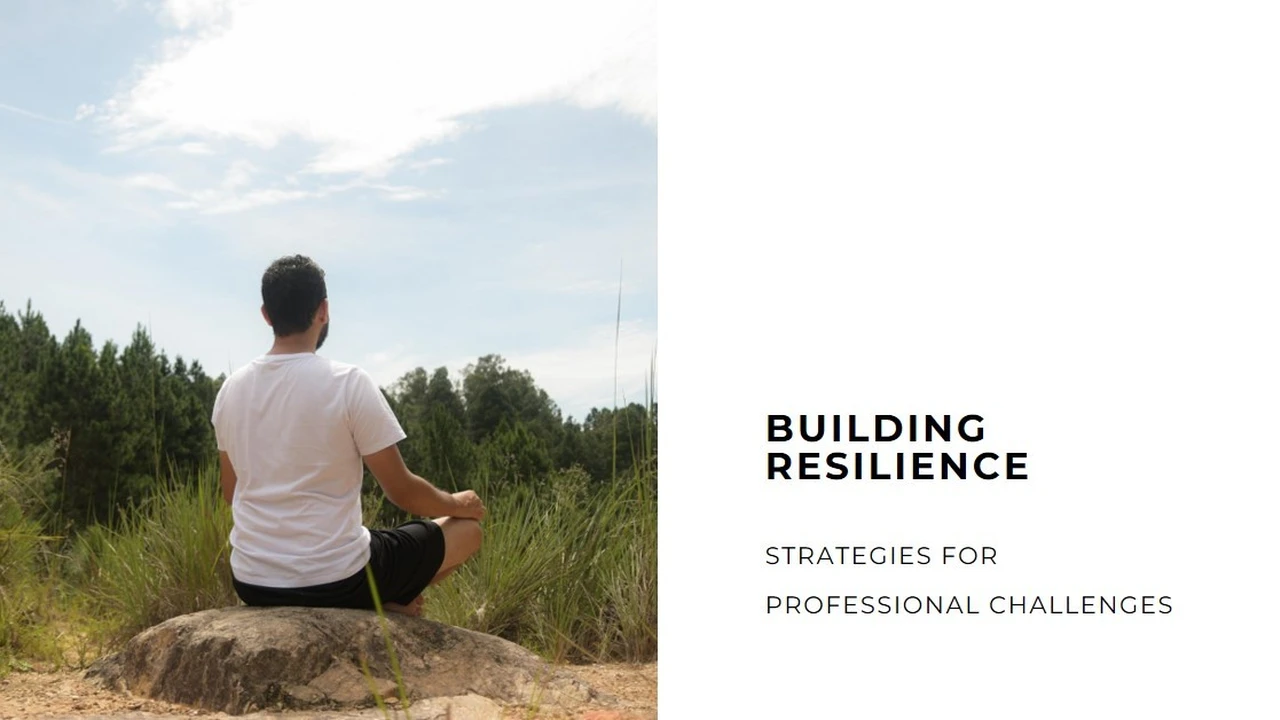
Strategies for building resilience to navigate challenges and setbacks in your professional life.
Building Resilience in Your Professional Life
Hey there! Let's talk about something super important for anyone navigating the modern workplace: resilience. You know, that ability to bounce back when things get tough, to adapt to change, and to keep pushing forward even after a setback. In today's fast-paced, ever-evolving professional landscape, resilience isn't just a nice-to-have; it's a must-have. Whether you're dealing with a demanding boss, a project gone sideways, a job loss, or just the daily grind, having a strong resilient mindset can make all the difference. This isn't about being emotionless or never feeling stressed; it's about how you respond to those feelings and challenges. It's about developing a toolkit of strategies that help you not just survive, but thrive, no matter what your professional life throws at you. So, let's dive deep into how you can build and strengthen your resilience, making you a more robust and successful professional.
Understanding Professional Resilience What It Means for Your Career
First off, what exactly is professional resilience? It's more than just toughness. It's a complex mix of psychological and behavioral traits that allow you to cope with stress, adversity, and change in the workplace. Think of it as your mental and emotional shock absorber. When you're resilient, you're better equipped to handle pressure, learn from mistakes, and maintain a positive outlook even when faced with difficult situations. This isn't something you're born with; it's a skill set you can develop and hone over time. For your career, this means you're less likely to burn out, more likely to adapt to new technologies or company shifts, and generally more capable of navigating the ups and downs that are inevitable in any professional journey. It also means you're more likely to see challenges as opportunities for growth rather than insurmountable obstacles.
Identifying Common Workplace Stressors and Challenges
Before we can build resilience, it's helpful to identify what we're building it against. What are some common stressors and challenges in the workplace that can test our resilience? These can vary widely depending on your industry, role, and even your personality, but some universal ones include:
- High Workload and Tight Deadlines: Feeling constantly overwhelmed by tasks and pressure to deliver quickly.
- Difficult Colleagues or Managers: Navigating interpersonal conflicts, micromanagement, or unsupportive team dynamics.
- Job Insecurity or Career Uncertainty: The fear of layoffs, restructuring, or not knowing where your career is headed.
- Work-Life Imbalance: The struggle to juggle professional responsibilities with personal life, leading to burnout.
- Lack of Control: Feeling like you have little say over your work or decisions that affect you.
- Failure or Setbacks: Experiencing project failures, missed promotions, or negative feedback.
- Organizational Change: Adapting to new systems, leadership, or company directions.
- Technological Overload: Constantly learning new tools and platforms, leading to digital fatigue.
Recognizing these stressors is the first step. Once you know what you're up against, you can start to develop targeted strategies to build your resilience.
Developing a Growth Mindset for Professional Development
One of the foundational pillars of resilience is having a growth mindset. This concept, popularized by Carol Dweck, suggests that our abilities and intelligence can be developed through dedication and hard work, rather than being fixed traits. How does this apply to professional resilience? When you have a growth mindset, you view challenges, failures, and setbacks not as evidence of your limitations, but as opportunities to learn and improve. Instead of saying, "I can't do this," you think, "I can't do this yet, but I can learn how." This shift in perspective is incredibly powerful. It allows you to embrace new challenges, persist in the face of obstacles, and see feedback as a gift rather than a criticism. To cultivate a growth mindset:
- Embrace Challenges: Seek out new experiences and tasks, even if they seem daunting.
- Learn from Criticism: View feedback as valuable information for improvement, not a personal attack.
- Celebrate Effort: Recognize that effort and dedication are key to mastery, not just innate talent.
- Persist Through Setbacks: Understand that failures are part of the learning process and not the end of the road.
- Learn from Others' Success: Be inspired by others' achievements rather than threatened by them.
Practical Strategies for Enhancing Your Coping Mechanisms
Building resilience isn't just about mindset; it's also about having practical tools and strategies to cope with stress and adversity. Here are some actionable steps you can take:
Building Strong Support Networks Professional and Personal
You don't have to go it alone. Having a strong support network, both professionally and personally, is crucial. This could include mentors, colleagues you trust, friends, family, or even a professional coach. These individuals can offer different perspectives, provide emotional support, and help you brainstorm solutions. Regularly connecting with your network can remind you that you're not isolated and that others have faced similar challenges. Consider joining professional organizations or online communities related to your field to expand your network.
Practicing Self-Care and Stress Management Techniques
This might sound cliché, but self-care is non-negotiable for resilience. You can't pour from an empty cup. This includes getting enough sleep, eating nutritious food, exercising regularly, and taking breaks. Beyond the basics, explore stress management techniques that work for you. This could be mindfulness meditation, deep breathing exercises, journaling, spending time in nature, or engaging in hobbies you enjoy. The key is to find what helps you de-stress and recharge, and then make it a consistent part of your routine. Remember, self-care isn't selfish; it's essential for your sustained performance and well-being.
Developing Problem-Solving and Adaptability Skills
Resilient individuals are often excellent problem-solvers and highly adaptable. When faced with a challenge, instead of dwelling on the problem, they focus on finding solutions. This involves breaking down complex issues into smaller, manageable parts, brainstorming different approaches, and being open to trying new things. Adaptability means being flexible and willing to adjust your plans when circumstances change. This could involve learning new skills, taking on different roles, or even changing your career path if necessary. The more you practice these skills, the more confident you'll become in your ability to navigate uncertainty.
Setting Realistic Goals and Celebrating Small Wins
Sometimes, the sheer scale of our professional ambitions can feel overwhelming. Breaking down large goals into smaller, more achievable steps can make the journey less daunting. Each time you achieve a small win, take a moment to acknowledge and celebrate it. This positive reinforcement builds momentum and boosts your confidence, making you feel more capable of tackling bigger challenges. It also helps to maintain a sense of progress, which is vital for long-term motivation and resilience.
Cultivating Emotional Intelligence for Better Workplace Interactions
Emotional intelligence (EQ) is your ability to understand and manage your own emotions, and to perceive and influence the emotions of others. High EQ is a huge asset for resilience. When you're emotionally intelligent, you can better navigate difficult conversations, manage conflict, and build stronger relationships with colleagues. You're also better at understanding your own stress triggers and developing healthy coping mechanisms. Practices like active listening, empathy, and self-awareness can significantly boost your EQ, leading to more positive and productive workplace interactions.
Leveraging Technology for Enhanced Professional Resilience
In our digital age, technology can be both a source of stress and a powerful tool for building resilience. Let's explore some tech solutions that can help you manage your professional life more effectively, reduce stress, and foster a more resilient mindset.
Mindfulness and Meditation Apps for Stress Reduction
These apps can be game-changers for managing daily stress and cultivating mindfulness, which is a core component of resilience. They offer guided meditations, breathing exercises, and sleep stories that can help you calm your mind, improve focus, and reduce anxiety. Many even have specific programs for workplace stress or improving focus during work hours. The beauty of these apps is their accessibility; you can often squeeze in a quick session during a coffee break or before a big meeting.
Product Comparison: Headspace vs. Calm vs. Insight Timer
-
Headspace:
- Description: Known for its playful animations and structured courses, Headspace makes meditation accessible for beginners. It offers guided meditations on various topics like stress, focus, sleep, and even specific workplace scenarios.
- Use Case: Ideal for those new to meditation who prefer a structured, progressive learning path. Great for quick stress relief sessions during the workday.
- Pros: User-friendly interface, engaging content, specific programs for different needs, 'SOS' meditations for immediate relief.
- Cons: Primarily subscription-based, limited free content.
- Pricing: Free trial available. Subscription typically around $12.99/month or $69.99/year.
-
Calm:
- Description: Focuses on sleep, meditation, and relaxation. Famous for its 'Sleep Stories' narrated by celebrities, it also offers guided meditations, breathing programs, and masterclasses on mindfulness.
- Use Case: Excellent for improving sleep quality, reducing anxiety, and general relaxation. Also offers meditations for focus and stress.
- Pros: High-quality audio, wide range of content including sleep stories and music, beautiful interface.
- Cons: Can be more expensive, some users find the interface less intuitive than Headspace for pure meditation.
- Pricing: Free trial available. Subscription typically around $14.99/month or $69.99/year. Lifetime subscription also available.
-
Insight Timer:
- Description: Boasts the largest free library of guided meditations (over 100,000!) from thousands of teachers. It also includes meditation timers, discussion groups, and courses.
- Use Case: Perfect for experienced meditators or those who want a vast array of options and a strong community aspect. Great for exploring different styles and teachers.
- Pros: Massive free content library, strong community features, customizable meditation timer, diverse range of teachers and styles.
- Cons: Can be overwhelming due to the sheer volume of content, premium features require subscription.
- Pricing: Extensive free content. Premium subscription ('MemberPlus') around $9.99/month or $59.99/year for offline access, advanced courses, and exclusive content.
Productivity and Focus Tools for Managing Workload
Overwhelm from a heavy workload can severely impact resilience. Productivity tools can help you organize tasks, prioritize, and maintain focus, reducing stress and increasing your sense of control. These tools range from simple to-do lists to comprehensive project management suites.
Product Comparison: Todoist vs. Trello vs. Forest
-
Todoist:
- Description: A powerful yet simple task manager that helps you organize your life and work. It's great for creating to-do lists, setting reminders, and tracking progress.
- Use Case: Ideal for individuals and small teams needing a straightforward way to manage daily tasks, projects, and recurring activities. Excellent for personal productivity and ensuring nothing falls through the cracks.
- Pros: Clean interface, natural language input for tasks, cross-platform sync, robust filtering and labeling, integration with many other apps.
- Cons: Advanced features like reminders and labels are mostly in the paid version.
- Pricing: Free version available with basic features. Pro version is $4/month (billed annually) or $5/month (billed monthly). Business plans also available.
-
Trello:
- Description: A visual collaboration tool that organizes your projects into boards. In one glance, Trello tells you what's being worked on, who's working on what, and where something is in a process.
- Use Case: Perfect for visual thinkers, teams managing projects with multiple stages, or individuals who like to see their workflow laid out. Great for content calendars, project tracking, and team collaboration.
- Pros: Highly visual (Kanban-style boards), easy to use, flexible for various workflows, good for team collaboration, extensive integrations ('Power-Ups').
- Cons: Can become cluttered with too many cards, less ideal for complex project dependencies or detailed task management.
- Pricing: Free version with core features. Standard ($5/user/month), Premium ($10/user/month), and Enterprise plans available with more features and integrations.
-
Forest:
- Description: A unique app that helps you stay focused by gamifying productivity. When you want to focus, you plant a virtual tree. If you leave the app before your timer is up, your tree dies. Over time, you grow a forest.
- Use Case: Excellent for individuals who struggle with phone distractions and want a fun, visual way to stay focused during work blocks.
- Pros: Highly effective for reducing phone addiction, visually rewarding, can plant real trees through partnerships, simple and intuitive.
- Cons: Primarily a focus timer, not a full-fledged task manager.
- Pricing: One-time purchase (typically around $1.99 - $3.99 depending on platform) for the full app. Some in-app purchases for additional tree types.
Communication and Collaboration Platforms for Team Cohesion
Effective communication and strong team bonds are vital for resilience, especially in remote or hybrid work environments. These platforms facilitate seamless interaction, reduce misunderstandings, and help build a sense of community.
Product Comparison: Slack vs. Microsoft Teams vs. Discord
-
Slack:
- Description: A channel-based messaging platform that brings all your communication and tools together. It's designed to replace email for internal team communication.
- Use Case: Best for dynamic teams that need quick, organized communication, file sharing, and integration with a wide array of other business tools.
- Pros: Excellent search functionality, extensive integrations, user-friendly interface, strong community support.
- Cons: Can lead to information overload if not managed well, free tier has message history limitations.
- Pricing: Free version with limited features. Pro ($7.25/user/month), Business+ ($12.50/user/month), and Enterprise Grid plans available.
-
Microsoft Teams:
- Description: A comprehensive collaboration platform that combines chat, video meetings, file storage, and application integration. It's deeply integrated with the Microsoft 365 ecosystem.
- Use Case: Ideal for organizations already heavily invested in Microsoft products (Office 365, SharePoint, etc.) and those needing a robust, all-in-one solution for communication and collaboration.
- Pros: Seamless integration with Microsoft 365 apps, strong video conferencing capabilities, robust security features, good for large enterprises.
- Cons: Can be resource-intensive, interface can feel cluttered for some, less intuitive for non-Microsoft users.
- Pricing: Free version available. Included with most Microsoft 365 Business plans (starting around $6/user/month). Standalone plans also available.
-
Discord:
- Description: Originally designed for gamers, Discord has evolved into a versatile communication platform with voice, video, and text chat, organized into servers and channels.
- Use Case: Great for smaller, more informal teams, communities, or project groups that value real-time voice communication and a more relaxed atmosphere. Excellent for creative teams or those who prefer a less corporate feel.
- Pros: Excellent voice chat quality, highly customizable servers, strong community features, very generous free tier.
- Cons: Can be less formal for traditional business environments, fewer direct business integrations compared to Slack/Teams.
- Pricing: Free for most features. Nitro subscription ($9.99/month or $99.99/year) offers enhanced features like custom emojis, higher quality video, and larger file uploads.
Learning and Skill Development Platforms for Adaptability
Staying adaptable means continuously learning and developing new skills. Online learning platforms provide accessible ways to acquire new knowledge, keeping you relevant and confident in a changing job market.
Product Comparison: Coursera vs. LinkedIn Learning vs. Udemy
-
Coursera:
- Description: Partners with universities and companies to offer courses, specializations, and degrees. Focuses on academic rigor and professional certifications.
- Use Case: Best for those seeking structured learning paths, university-level courses, professional certificates, or even full degrees from reputable institutions. Great for deep dives into specific subjects.
- Pros: High-quality content from top universities, recognized certifications, peer-graded assignments, flexible learning schedules.
- Cons: Can be expensive for specializations and degrees, some courses require significant time commitment.
- Pricing: Many individual courses are free to audit. Specializations and Professional Certificates typically range from $39-$79/month. Degrees cost thousands.
-
LinkedIn Learning:
- Description: Offers a vast library of video courses taught by industry experts, covering business, creative, and technology topics. Integrates seamlessly with your LinkedIn profile.
- Use Case: Ideal for professionals looking to quickly acquire practical skills, stay updated on industry trends, or enhance their existing skill set. Great for career development and showcasing new skills on your profile.
- Pros: High-quality instructors, practical and actionable content, integration with LinkedIn profile, personalized recommendations, offline viewing.
- Cons: Less academic rigor than Coursera, some courses can be superficial.
- Pricing: Free trial available. Subscription typically around $29.99/month or $19.99/month (billed annually). Often included with LinkedIn Premium.
-
Udemy:
- Description: An online learning marketplace with thousands of courses created by independent instructors. Covers a huge range of topics, from coding to cooking.
- Use Case: Excellent for exploring niche topics, learning specific software, or getting practical, hands-on skills. Great for budget-conscious learners due to frequent sales.
- Pros: Massive selection of courses, often very affordable (especially during sales), lifetime access to purchased courses, practical and project-based learning.
- Cons: Quality can vary widely between instructors, no formal accreditation for most courses.
- Pricing: Courses are individually priced, often ranging from $10-$200, but frequently go on sale for $10-$20.
Building a Resilient Career Path for Long-Term Success
Resilience isn't just about getting through the tough times; it's about building a career that can withstand future shocks and continue to grow. This involves a proactive approach to your professional journey.
Embracing Continuous Learning and Skill Development
The world of work is constantly changing. What's relevant today might be obsolete tomorrow. To build a resilient career, you need to commit to lifelong learning. This means regularly assessing your skills, identifying gaps, and actively seeking out opportunities to learn new ones. Whether it's through online courses, workshops, certifications, or even just reading industry publications, continuous learning keeps you adaptable and valuable in any market. Think of it as future-proofing your career.
Financial Planning and Emergency Funds for Stability
While not directly a psychological trait, financial resilience significantly impacts your overall professional resilience. Having an emergency fund and a solid financial plan can reduce a huge amount of stress during times of job insecurity or unexpected career changes. Knowing you have a safety net allows you to make more strategic career decisions, take calculated risks, and avoid making desperate choices out of financial pressure. It provides a sense of security that frees up mental energy to focus on growth and adaptation.
Networking and Mentorship for Career Growth and Support
We touched on support networks earlier, but it's worth emphasizing their role in long-term career resilience. A strong professional network can open doors to new opportunities, provide valuable insights, and offer emotional support during challenging times. Mentors, in particular, can offer guidance, share their experiences, and help you navigate complex career decisions. Actively cultivate these relationships; they are invaluable assets for your professional journey.
Maintaining a Healthy Work-Life Balance for Sustained Performance
Burnout is the enemy of resilience. Pushing yourself too hard for too long will inevitably lead to exhaustion, decreased productivity, and a loss of passion. Prioritizing a healthy work-life balance isn't a luxury; it's a necessity for sustained performance and long-term career resilience. This means setting boundaries, taking regular breaks, using your vacation time, and dedicating time to personal interests and relationships. When you're well-rested and fulfilled outside of work, you bring more energy, creativity, and focus to your professional life.
Reflecting on Your Values and Purpose in Your Work
Finally, understanding your core values and finding purpose in your work can be a powerful source of resilience. When you feel a sense of meaning in what you do, it's easier to stay motivated through challenges and setbacks. Take time to reflect on what truly matters to you in your career. What impact do you want to make? What values do you want your work to embody? Aligning your professional choices with your personal values can provide a deep well of intrinsic motivation and help you weather any storm.
Building resilience is an ongoing journey, not a destination. It requires self-awareness, consistent effort, and a willingness to learn and adapt. By implementing these strategies and leveraging the right tools, you can cultivate a robust resilient mindset that will serve you well throughout your entire professional life, no matter what challenges come your way. Keep learning, keep growing, and keep bouncing back stronger!
:max_bytes(150000):strip_icc()/277019-baked-pork-chops-with-cream-of-mushroom-soup-DDMFS-beauty-4x3-BG-7505-5762b731cf30447d9cbbbbbf387beafa.jpg)