Cryptocurrency Transactions How to Stay Safe
Learn best practices for secure cryptocurrency transactions and protecting your digital assets.
Learn best practices for secure cryptocurrency transactions and protecting your digital assets.
Cryptocurrency Transactions How to Stay Safe
Understanding the Basics of Secure Crypto Transactions
Hey there, crypto enthusiasts and newcomers alike! Diving into the world of cryptocurrency can be super exciting, offering a ton of potential for investment and financial freedom. But let's be real, it's also a wild west out there, and keeping your digital assets safe during transactions is absolutely crucial. We're talking about everything from buying your first Bitcoin to trading altcoins or even using crypto for everyday purchases. The landscape is constantly evolving, so staying informed about the best security practices isn't just a good idea—it's essential. Think of it like this: you wouldn't leave your physical wallet lying around in a crowded place, right? The same goes for your digital wallet and crypto transactions. There are unique risks involved, from sophisticated scams to technical vulnerabilities, and understanding these is your first line of defense. We'll walk you through the ins and outs, making sure you're equipped to navigate the crypto space securely, whether you're in the US or across Southeast Asia.
Choosing the Right Cryptocurrency Exchange for Security and Reliability
When you're looking to buy, sell, or trade cryptocurrencies, your choice of exchange is paramount. It's like choosing a bank for your traditional money—you want one that's reputable, secure, and reliable. Not all exchanges are created equal, and some offer far better security features and customer support than others. Here’s a rundown of some top contenders and what makes them stand out:
Coinbase A User Friendly Secure Option
Overview: Coinbase is often the go-to for beginners, especially in the US, thanks to its incredibly user-friendly interface and strong regulatory compliance. They've been around for a while and have built a solid reputation for security.
Security Features: Coinbase employs a range of robust security measures. They store 98% of customer funds offline in cold storage, which significantly reduces the risk of hacking. They also offer two-factor authentication (2FA), FDIC insurance for USD balances (up to $250,000), and strong encryption for data in transit and at rest. For larger institutional clients, they even offer Coinbase Custody, providing even higher levels of security.
Use Cases: Ideal for buying and selling major cryptocurrencies like Bitcoin, Ethereum, and Litecoin. Great for beginners due to its simplicity and educational resources. It's also good for recurring buys if you're dollar-cost averaging.
Pricing: Coinbase's fees can be a bit higher than some competitors, especially for smaller transactions, often ranging from 0.5% to 4.5% depending on the transaction type and payment method. Coinbase Pro (now Coinbase Advanced Trade) offers lower fees for more active traders.
Binance Global Reach and Advanced Features
Overview: Binance is a global powerhouse, known for its vast selection of cryptocurrencies and advanced trading features. It's particularly popular in Southeast Asia due to its extensive altcoin offerings and competitive fees.
Security Features: Binance has invested heavily in security, including a Secure Asset Fund for Users (SAFU) which allocates 10% of all trading fees to cover potential losses in extreme cases. They support multiple 2FA options (SMS, Google Authenticator, YubiKey), address whitelisting, and device management. They also have a sophisticated risk management system to detect suspicious activity.
Use Cases: Best for experienced traders looking for a wide range of altcoins, futures trading, and staking opportunities. Its advanced charting tools are a big plus for technical analysis.
Pricing: Binance generally offers lower trading fees, starting at 0.1% and decreasing with higher trading volumes or if you hold their native token, BNB. Withdrawal fees vary by cryptocurrency.
Kraken A Secure Exchange for Serious Traders
Overview: Kraken is another highly respected exchange, particularly favored by more experienced traders for its strong security, diverse crypto offerings, and advanced trading options. It's well-regulated and has a long-standing reputation for integrity.
Security Features: Kraken is known for its institutional-grade security. They employ cold storage for the vast majority of client funds, use advanced encryption, and have a dedicated security team. They also offer comprehensive 2FA, PGP/GPG encryption for email communications, and a master key feature for account recovery.
Use Cases: Excellent for active traders, institutions, and those looking for a secure platform with a good selection of fiat-to-crypto pairs. Also good for staking and margin trading.
Pricing: Kraken's fees are competitive, typically ranging from 0% to 0.26% depending on the trading pair and volume. Instant buy fees can be higher.
Gemini Regulated and Insured
Overview: Founded by the Winklevoss twins, Gemini is a New York-based exchange known for its strong regulatory compliance and focus on security. It's a trust-first platform, often appealing to institutional investors and those prioritizing regulation.
Security Features: Gemini is a New York trust company, meaning it's subject to strict regulatory oversight. They offer FDIC insurance for USD deposits, and their crypto holdings are insured against certain types of loss. They use cold storage for crypto assets, require 2FA, and have robust internal controls.
Use Cases: Great for users who prioritize regulatory compliance and insurance. Good for buying and selling major cryptocurrencies, and they also offer Gemini Earn for interest-bearing accounts.
Pricing: Gemini's fees can be a bit higher, similar to Coinbase, especially for smaller transactions. ActiveTrader platform offers lower fees.
Securing Your Cryptocurrency Wallet The Foundation of Digital Asset Protection
Your wallet is where your crypto lives, so securing it is non-negotiable. There are different types of wallets, each with its own security considerations. Choosing the right one depends on your needs, how much crypto you hold, and your comfort level with technology.
Hardware Wallets The Gold Standard for Cold Storage
Overview: Hardware wallets are physical devices that store your private keys offline, making them immune to online hacks. They are considered the most secure option for storing cryptocurrency, especially for larger amounts.
Recommended Products:
- Ledger Nano X: This is a popular choice, offering Bluetooth connectivity for mobile use and support for a wide range of cryptocurrencies. It's sleek, easy to use, and has a good screen for transaction verification.
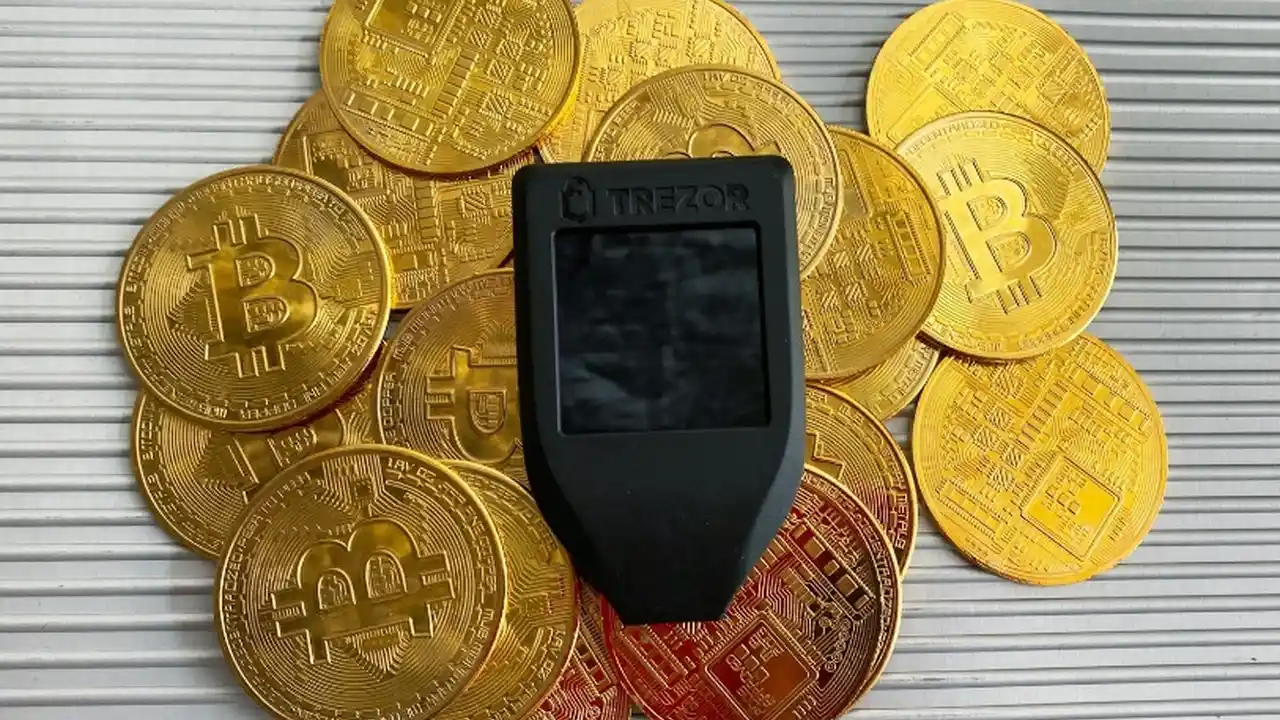
- Trezor Model T: Another top-tier hardware wallet with a touchscreen interface and strong security features. Trezor is known for its open-source firmware, which allows for community scrutiny and enhances trust.
Use Cases: Ideal for long-term storage (HODLing) of significant crypto assets. Perfect for anyone who wants maximum security and is willing to invest a bit more for peace of mind.
Pricing: Ledger Nano X typically costs around $149. Trezor Model T is usually around $179. These are one-time purchases.
Security Tips: Always buy directly from the manufacturer to avoid tampered devices. Keep your recovery seed phrase (mnemonic phrase) offline, in a secure, secret location, and never share it with anyone. Treat it like the keys to your safe deposit box.
Software Wallets Hot Wallets for Convenience
Overview: Software wallets (or hot wallets) are applications that run on your computer or smartphone. They are connected to the internet, offering convenience for frequent transactions but also presenting a higher risk compared to hardware wallets.
Recommended Products:
- Exodus: A popular desktop and mobile wallet known for its beautiful interface and built-in exchange functionality. Supports a wide array of cryptocurrencies.
- MetaMask: A browser extension wallet primarily used for Ethereum and ERC-20 tokens, essential for interacting with decentralized applications (dApps) and DeFi protocols.
- Trust Wallet: A mobile-first wallet acquired by Binance, supporting a vast number of cryptocurrencies and blockchains. Great for mobile users in Southeast Asia.
Use Cases: Good for smaller amounts of crypto used for regular transactions, trading on decentralized exchanges (DEXs), or interacting with dApps. Think of it as your everyday spending wallet.
Pricing: Most software wallets are free to download and use, though transaction fees (network fees) still apply.
Security Tips: Enable 2FA, use strong unique passwords, and keep your operating system and antivirus software updated. Be wary of phishing attempts and only download wallets from official sources. Never store your seed phrase digitally or on cloud services.
Paper Wallets An Old School Cold Storage Method
Overview: A paper wallet is simply a printout of your public and private keys. It's a form of cold storage, as the keys are completely offline.
Use Cases: For very long-term storage of significant amounts of crypto, especially if you want to minimize any digital footprint. However, they are less convenient to use and carry risks related to physical damage or loss.
Security Tips: Generate keys offline on a clean computer. Print multiple copies and store them in different secure physical locations. Be extremely careful when importing keys to spend funds, as this is a vulnerable point.
Implementing Strong Security Practices for Every Transaction
Beyond choosing the right exchange and wallet, your daily habits and practices play a huge role in keeping your crypto safe. Think of these as your personal security protocols.
Two Factor Authentication 2FA Your Digital Bodyguard
Always, always, always enable 2FA on all your crypto accounts and wallets that support it. This adds an extra layer of security beyond just your password. Even if a hacker gets your password, they still need your second factor to gain access. Authenticator apps like Google Authenticator or Authy are generally more secure than SMS-based 2FA, as SMS can be vulnerable to SIM-swapping attacks.
Strong Unique Passwords and Password Managers
It sounds basic, but it's fundamental. Use long, complex, and unique passwords for every single crypto-related account. Never reuse passwords. A password manager (like LastPass, 1Password, or Bitwarden) is your best friend here, as it can generate and securely store these complex passwords for you.
Beware of Phishing Scams and Social Engineering
Scammers are constantly trying to trick you into giving up your private keys or login credentials. They often do this through phishing emails, fake websites, or social media messages that look legitimate. Always double-check URLs, sender addresses, and be suspicious of unsolicited messages asking for personal information or urgent action. If it seems too good to be true, it probably is.
Verify Wallet Addresses Before Sending
Cryptocurrency transactions are irreversible. Once you send crypto to an address, it's gone. Before hitting that send button, always double-check the recipient's wallet address. A common scam involves malware that changes the copied address in your clipboard to a scammer's address. Consider sending a small test transaction first for larger amounts.
Keep Your Software Updated
Regularly update your operating system, web browser, antivirus software, and any crypto wallet applications. Updates often include critical security patches that fix vulnerabilities hackers could exploit.
Use a Secure Internet Connection
Avoid making crypto transactions on public Wi-Fi networks. These networks are often unsecured and can be easily intercepted by malicious actors. Stick to your secure home network or a reputable VPN when dealing with your crypto.
Understand Transaction Fees and Network Congestion
While not directly a security issue, understanding transaction fees (gas fees on Ethereum, for example) and network congestion can prevent you from overpaying or having transactions stuck. High fees can sometimes be a sign of network stress, which can indirectly affect transaction reliability. Always review the fees before confirming a transaction.
Advanced Security Measures for the Savvy Crypto User
For those who want to go the extra mile, here are some more advanced tips to bolster your crypto security.
Whitelisting Withdrawal Addresses
Many exchanges allow you to whitelist withdrawal addresses. This means you can only send crypto to pre-approved addresses. If a hacker gains access to your account, they won't be able to withdraw funds to their own address, as it won't be whitelisted. It adds a slight inconvenience but significantly boosts security.
Using a Dedicated Device for Crypto
Consider using a separate, clean computer or smartphone solely for your crypto activities. This device should have minimal software installed, no unnecessary browsing, and be kept offline as much as possible. This isolates your crypto from potential malware or vulnerabilities on your everyday devices.
Multi Signature Wallets for Shared Control
Multi-signature (multisig) wallets require multiple private keys to authorize a transaction. For example, a 2-of-3 multisig wallet would need two out of three designated keys to sign off on a transaction. This is excellent for shared funds (e.g., business accounts) or for individuals who want to distribute the risk of a single point of failure.
Regularly Review Your Transaction History
Make it a habit to regularly check your transaction history on exchanges and wallets. Look for any unauthorized or suspicious activity. Catching something early can make a big difference in mitigating potential losses.
Educate Yourself Continuously
The crypto space is dynamic. New scams emerge, and new security technologies are developed. Stay informed by following reputable crypto news sources, security blogs, and community forums. Knowledge is your most powerful weapon against threats.
What to Do If You Suspect a Security Breach
Even with the best precautions, sometimes things go wrong. If you suspect your crypto security has been compromised, act quickly:
- Isolate the Issue: If an exchange account is compromised, try to log in and change your password immediately. If a wallet is compromised, try to move any remaining funds to a new, secure wallet.
- Notify the Exchange/Wallet Provider: Contact their support team immediately and provide all relevant details.
- Change All Related Passwords: Change passwords for your email, other crypto accounts, and any other services that might be linked.
- Report to Authorities: Depending on your location, report the incident to relevant law enforcement agencies (e.g., FBI IC3 in the US, local cybercrime units in Southeast Asia). While recovery isn't guaranteed, reporting helps track down criminals.
- Learn from the Experience: Analyze what went wrong and reinforce your security practices to prevent future incidents.
Staying safe in the world of cryptocurrency transactions requires vigilance, education, and the consistent application of best practices. By choosing reputable platforms, securing your wallets, and adopting strong personal security habits, you can significantly reduce your risk and enjoy the benefits of digital assets with greater peace of mind. Happy transacting!
:max_bytes(150000):strip_icc()/277019-baked-pork-chops-with-cream-of-mushroom-soup-DDMFS-beauty-4x3-BG-7505-5762b731cf30447d9cbbbbbf387beafa.jpg)