Data Breach Protection What to Do Next
Steps to take if your personal data has been compromised in a data breach. Learn immediate actions, long-term strategies, and how to protect yourself from identity theft after a breach.
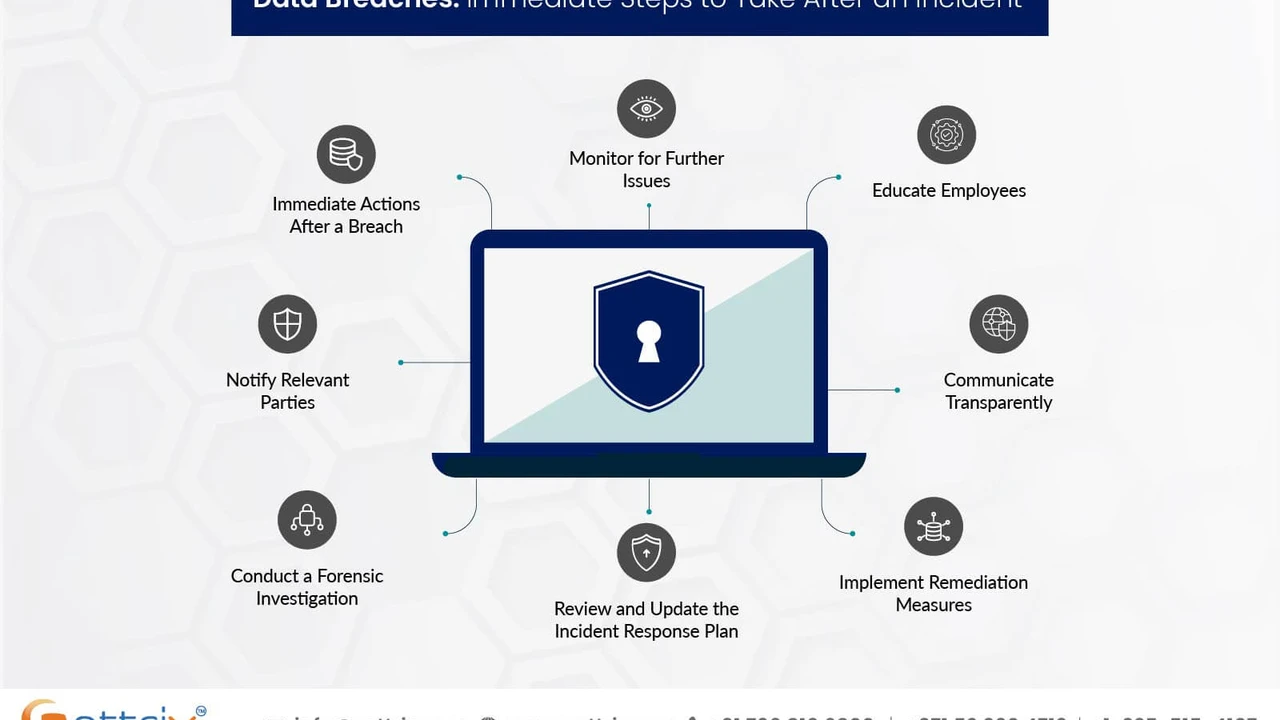
Steps to take if your personal data has been compromised in a data breach. Learn immediate actions, long-term strategies, and how to protect yourself from identity theft after a breach.
Data Breach Protection What to Do Next
Hey everyone, let's talk about something nobody wants to experience: a data breach. It's that sinking feeling when you hear that a company you trust, or even worse, one you barely remember using, has had its systems compromised, and your personal information might be out there. It's not just a minor inconvenience; it can lead to identity theft, financial fraud, and a whole lot of stress. But don't panic! Knowing what to do next is your best defense. This guide will walk you through the immediate steps, long-term strategies, and even some specific tools to help you navigate the aftermath of a data breach, whether you're in the US or Southeast Asia.
Understanding Data Breaches What Information is at Risk
First off, what exactly is a data breach? Simply put, it's when unauthorized individuals gain access to sensitive, protected, or confidential data. This could be anything from your email address and password to your full name, home address, social security number (SSN) or national identification number, credit card details, health records, and even biometric data. The type of information exposed dictates the severity of the breach and the actions you need to take. For instance, a breach involving your SSN is far more critical than one involving just your email address, though both require attention.
In the US, SSNs are a golden ticket for identity thieves. In Southeast Asia, national ID numbers, passport details, and bank account information are equally valuable. Understanding what specific data points were compromised is crucial for tailoring your response.
Immediate Actions After a Data Breach Notification
So, you've received that dreaded email or news alert. What's the very first thing you should do? Don't delay! Time is of the essence when your data is exposed.
Change Passwords and Security Questions for Compromised Accounts
This is your absolute top priority. If the breach involved a service you use, immediately change your password for that account. But here's the kicker: if you've reused that password (and let's be honest, many of us do), you need to change it everywhere else you've used it too. This is why unique, strong passwords for every account are so important. Also, consider updating your security questions. Sometimes, the answers to these questions can be easily found online or guessed, especially if the breach exposed personal details.
Enable Two Factor Authentication 2FA Everywhere Possible
If you haven't already, enable two-factor authentication (2FA) on all your critical accounts – email, banking, social media, online shopping, and any service that holds sensitive data. 2FA adds an extra layer of security, usually requiring a code from your phone or a physical key in addition to your password. Even if a hacker gets your password, they can't access your account without that second factor. Many services offer 2FA, and it's a game-changer for security.
Review Account Statements and Credit Reports for Suspicious Activity
Keep a close eye on your bank accounts, credit card statements, and any other financial accounts. Look for transactions you don't recognize. Fraudulent charges can appear quickly after a breach. In the US, you can get a free credit report annually from each of the three major credit bureaus (Equifax, Experian, and TransUnion) at annualcreditreport.com. In Southeast Asia, check with your local credit bureaus or financial institutions for similar services. Regularly monitoring these reports can help you spot early signs of identity theft.
Place a Fraud Alert or Credit Freeze on Your Credit File
If your Social Security Number (US) or national ID number (SEA) was compromised, placing a fraud alert or credit freeze is highly recommended. A fraud alert makes it harder for identity thieves to open new credit in your name, as lenders must take extra steps to verify your identity. A credit freeze (also known as a security freeze) is even stronger, completely restricting access to your credit report unless you temporarily lift the freeze. This can prevent new accounts from being opened in your name. Contact each credit bureau individually to set these up. There might be fees involved depending on your location and the specific service.
Long Term Data Breach Protection Strategies
Dealing with the immediate aftermath is crucial, but protecting yourself long-term is equally important. This isn't a one-time fix; it's an ongoing commitment to digital hygiene.
Utilize a Password Manager for Strong Unique Passwords
Remember how we talked about unique passwords? A password manager is the easiest way to achieve this. These tools generate and securely store complex, unique passwords for all your accounts, so you only need to remember one master password. They also often have features to alert you if any of your stored passwords have been found in a known data breach. This is a non-negotiable tool for modern online security.
Recommended Password Managers and Their Features
- LastPass: A popular choice with a free tier that offers basic password management across devices. Paid plans add features like advanced 2FA options and secure file storage. It's user-friendly and widely adopted, making it a good starting point for many.
- 1Password: Known for its robust security and user-friendly interface. It offers excellent family and business plans, secure document storage, and travel mode for extra privacy. It's a premium option but well worth the investment for comprehensive protection.
- Bitwarden: An open-source and highly secure option, offering a generous free tier that includes unlimited passwords and device syncing. Its open-source nature means its code is publicly audited, increasing trust. It's a fantastic choice for those who prioritize transparency and strong security without a hefty price tag.
- Dashlane: Combines password management with a built-in VPN and dark web monitoring. It's a feature-rich option that offers a comprehensive security suite, though its free tier is more limited than some competitors.
Comparison and Pricing (Approximate, subject to change):
| Product | Key Features | Free Tier | Paid Plan (Annual) | Target User |
|---|---|---|---|---|
| LastPass | Password generation, secure notes, form filling, multi-device sync | Yes (basic) | ~$36 USD | Individuals, families, small businesses |
| 1Password | Advanced security, secure document storage, travel mode, family sharing | No (free trial) | ~$36-60 USD | Individuals, families, businesses seeking robust features |
| Bitwarden | Open-source, unlimited passwords, secure notes, self-hosting option | Yes (generous) | ~$10 USD | Privacy-conscious individuals, developers, budget-friendly users |
| Dashlane | Password management, VPN, dark web monitoring, secure storage | Yes (limited) | ~$60 USD | Individuals seeking an all-in-one security solution |
Implement Identity Theft Protection Services for Ongoing Monitoring
For an extra layer of security, especially if you've been a victim of identity theft before or if the breach was particularly severe, consider an identity theft protection service. These services actively monitor your credit, public records, and the dark web for signs of your information being used fraudulently. They often come with identity theft insurance and restoration services, which can be invaluable if your identity is stolen.
Leading Identity Theft Protection Services and Their Offerings
- LifeLock (by Norton): One of the most well-known services, offering comprehensive monitoring of credit, SSN, dark web, and more. They have various tiers, with higher plans including credit reporting and identity theft insurance. LifeLock is often bundled with Norton antivirus products.
- IdentityForce (by TransUnion): Provides robust credit monitoring from all three bureaus, dark web monitoring, and identity theft insurance. They are known for their quick alerts and comprehensive restoration services.
- Experian IdentityWorks: Directly from one of the major credit bureaus, offering credit monitoring, FICO score tracking, dark web surveillance, and identity theft insurance. They have plans for individuals and families.
- IDShield: Offers comprehensive monitoring, including credit, social media, and medical identity theft. They also provide licensed private investigators to help restore your identity if it's compromised.
Comparison and Pricing (Approximate, monthly, subject to change):
| Product | Key Monitoring Areas | Identity Theft Insurance | Restoration Services | Monthly Cost (Basic) |
|---|---|---|---|---|
| LifeLock | Credit, SSN, Dark Web, Public Records | Up to $1M | Yes | ~$10-30 USD |
| IdentityForce | 3-Bureau Credit, Dark Web, Change of Address | Up to $1M | Yes | ~$18-25 USD |
| Experian IdentityWorks | Experian Credit, Dark Web, FICO Score | Up to $1M | Yes | ~$10-20 USD |
| IDShield | Credit, Social Media, Medical ID, Dark Web | Up to $1M | Yes (Private Investigators) | ~$15-30 USD |
Be Wary of Phishing Scams and Social Engineering Attempts
After a data breach, you become a prime target for phishing and social engineering attacks. Scammers often use information gleaned from breaches to craft highly convincing emails, texts, or phone calls. They might pretend to be the breached company, your bank, or even a government agency, trying to trick you into revealing more personal information or clicking on malicious links. Always be skeptical of unsolicited communications, especially those asking for personal data or urging immediate action. Verify the sender's identity through official channels before responding.
Regularly Monitor Your Online Presence and Digital Footprint
It's a good idea to periodically search for your own name, email address, and other personal information online. This can help you discover if your data is being openly shared or sold on the dark web. Tools like 'Have I Been Pwned?' (haveibeenpwned.com) allow you to check if your email address has appeared in known data breaches. While not a complete solution, it's a good starting point for awareness.
Secure Your Devices with Antivirus and Anti Malware Software
While a data breach often originates from a third-party service, ensuring your own devices are secure is paramount. Up-to-date antivirus and anti-malware software can protect you from threats that might try to exploit vulnerabilities on your computer or phone, especially if you accidentally click on a malicious link from a phishing attempt. Regularly scan your devices and keep your operating system and applications updated.
Specific Scenarios and What to Do
Different types of data breaches require slightly different responses. Let's break down a few common scenarios.
Credit Card Data Breach What to Do
If your credit card number was exposed, immediately contact your bank or credit card issuer. They can cancel the compromised card and issue a new one. Most banks have sophisticated fraud detection systems and zero-liability policies, meaning you won't be responsible for fraudulent charges. However, reporting it quickly helps them prevent further misuse.
Social Security Number or National ID Breach Steps to Take
This is one of the most serious types of breaches. As mentioned, place a fraud alert or credit freeze with all relevant credit bureaus. Monitor your credit reports diligently for any new accounts opened in your name. You might also consider signing up for an identity theft protection service that includes SSN/national ID monitoring. In the US, you can also report identity theft to the Federal Trade Commission (FTC) at identitytheft.gov.
Email Account Breach How to Recover
If your email account was breached, change its password immediately to a strong, unique one. Enable 2FA. Then, review your email for any suspicious activity, such as emails sent from your account without your knowledge or changes to your settings. Your email account is often the 'key' to many other online services (via password resets), so securing it is critical.
Medical Data Breach Protecting Your Health Information
A medical data breach can expose sensitive health information, which can be used for medical identity theft (where someone uses your identity to get medical services). Review your Explanation of Benefits (EOB) statements from your health insurer for services you didn't receive. Contact your healthcare provider and insurer to understand what data was compromised and what steps they are taking. In the US, you can report medical identity theft to the FTC and the Department of Health and Human Services (HHS).
Reporting a Data Breach and Seeking Assistance
Don't feel like you have to handle this alone. There are resources available to help you.
Contact the Breached Company for Information and Support
The company that experienced the breach should provide information about what happened, what data was affected, and what steps they are taking to mitigate the damage. They often offer free credit monitoring or identity theft protection services for a period. Take advantage of these offers.
Report to Relevant Authorities and Consumer Protection Agencies
In the US, you can report identity theft and data breaches to the Federal Trade Commission (FTC). They have resources and guidance for victims. In Southeast Asia, look for your country's equivalent consumer protection agencies or cybercrime units. For example, in Singapore, you can report to the Personal Data Protection Commission (PDPC) or the Singapore Police Force. In Malaysia, the National Cyber Security Agency (NACSA) or the Royal Malaysia Police. Reporting helps authorities track trends and potentially bring perpetrators to justice.
Seek Legal Advice if Necessary for Data Breach Compensation
In some cases, especially if you've suffered significant financial losses due to a breach, you might consider seeking legal advice. Class-action lawsuits sometimes arise from major data breaches, and you might be eligible for compensation. This is more common in the US and Europe, but legal avenues are expanding in other regions as data protection laws evolve.
Staying Vigilant and Proactive in Digital Privacy
The reality is that data breaches are becoming more common. While you can't prevent every breach, you can significantly reduce your risk and minimize the damage if one occurs. Being proactive about your digital privacy and security is your best defense. Regularly review your privacy settings on social media and other online services, be mindful of what information you share online, and always question requests for personal data. Think before you click, and if something feels off, it probably is. Your digital safety is in your hands, so let's keep those hands protected!
:max_bytes(150000):strip_icc()/277019-baked-pork-chops-with-cream-of-mushroom-soup-DDMFS-beauty-4x3-BG-7505-5762b731cf30447d9cbbbbbf387beafa.jpg)