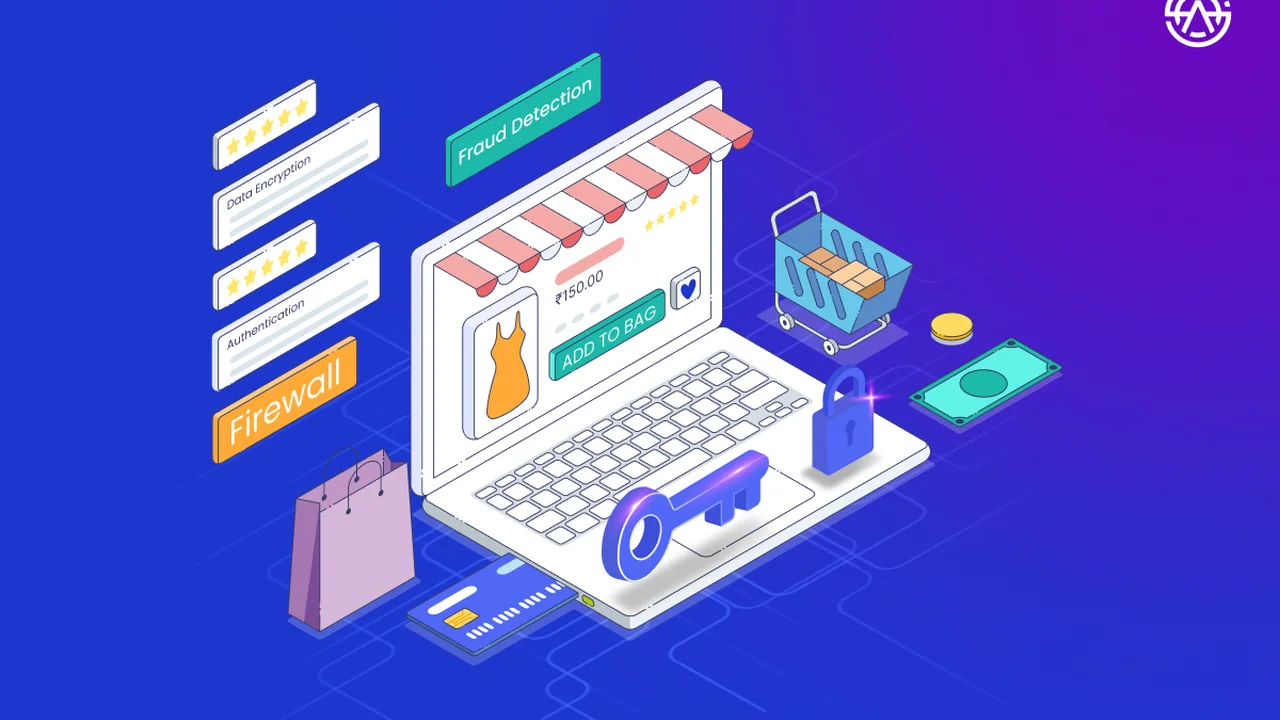
Digital Wallets vs Physical Wallets Security Pros and Cons
Compare the security aspects of digital wallets versus traditional physical wallets. Discover which option offers better protection for your finances and personal information in today's digital age.
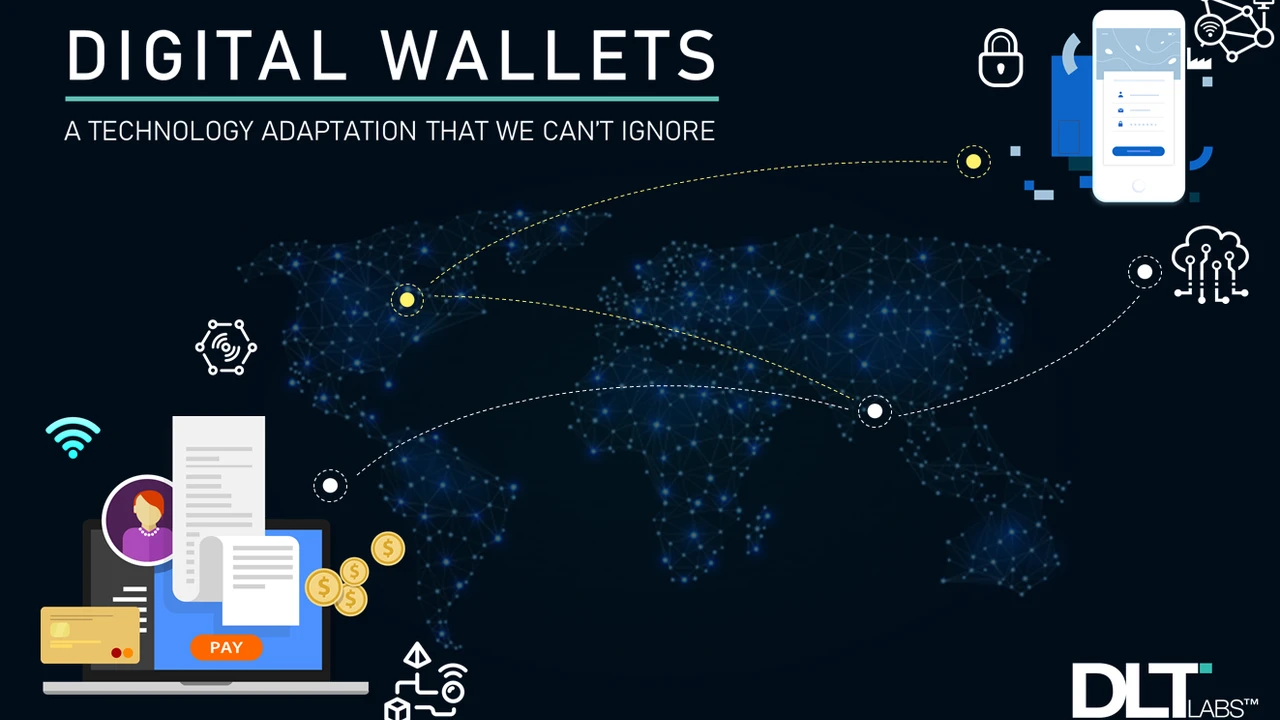
Compare the security aspects of digital wallets versus traditional physical wallets. Discover which option offers better protection for your finances and personal information in today's digital age.
Digital Wallets vs Physical Wallets Security Pros and Cons
In an increasingly cashless world, the way we carry and manage our money has undergone a significant transformation. For centuries, the physical wallet was the undisputed king, a leather-bound repository for cash, cards, and identification. Today, however, a sleek, digital counterpart has emerged: the digital wallet. From Apple Pay to Google Pay, Samsung Pay, and a myriad of banking apps, these digital solutions promise convenience and, crucially, enhanced security. But how do they truly stack up against the tried-and-true physical wallet when it comes to protecting your hard-earned money and sensitive personal data? Let's dive deep into the security pros and cons of both, helping you make an informed decision for your financial peace of mind.
Understanding Physical Wallet Security Risks and Benefits
The physical wallet, while familiar, comes with its own set of security considerations. Its tangible nature is both its strength and its weakness.
Physical Wallet Security Pros
- No Battery Dependency: One undeniable advantage is that a physical wallet never runs out of battery. You don't need to worry about charging it or finding a power outlet to access your funds. This makes it reliable in situations where digital devices might fail.
- No Internet Connection Required: Transactions with a physical wallet, whether cash or card, don't rely on an internet connection. This is particularly useful in remote areas, during power outages, or when network services are down.
- Direct Control Over Physical Assets: You have direct, physical control over your cash and cards. For some, this tangible presence offers a greater sense of security and control over their finances.
- Less Susceptible to Cyberattacks: Unlike digital systems, physical wallets are immune to hacking, phishing, malware, and other forms of cybercrime. Your cash cannot be digitally stolen from your wallet.
Physical Wallet Security Cons
- High Risk of Theft and Loss: This is the most significant drawback. If your physical wallet is stolen or lost, you risk losing all its contents: cash, credit cards, debit cards, driver's license, and other identification. Recovering these items can be a lengthy and stressful process.
- Exposure of Personal Information: When you hand over a physical card for a transaction, your card number, expiration date, and sometimes even your name are visible to the merchant and potentially others. This increases the risk of skimming or unauthorized copying of your card details.
- Limited Fraud Protection for Cash: If cash is stolen, it's gone. There's no recourse or fraud protection for physical currency.
- Difficulty in Tracking Spending: Unless you meticulously record every transaction, tracking your spending with cash and physical cards can be challenging, making it harder to spot unauthorized activity quickly.
- Vulnerability to Skimming Devices: Physical cards are susceptible to skimming devices at ATMs or point-of-sale terminals, which can illegally copy your card information.
Exploring Digital Wallet Security Features and Vulnerabilities
Digital wallets, often residing on your smartphone or smartwatch, leverage advanced technology to facilitate payments and store financial information. Their security architecture is fundamentally different from physical wallets.
Digital Wallet Security Pros
- Tokenization for Enhanced Card Security: This is perhaps the most significant security advantage. When you add a card to a digital wallet (like Apple Pay, Google Pay, or Samsung Pay), your actual card number is not stored on your device or transmitted during a transaction. Instead, a unique, encrypted 'token' or 'device account number' is created. This token is used for payments. If a data breach occurs at a merchant, only the token is compromised, not your actual card details, making it useless to fraudsters.
- Biometric Authentication and PIN Protection: Accessing your digital wallet typically requires strong authentication methods such as fingerprint scanning (Touch ID), facial recognition (Face ID), or a secure PIN. This makes it incredibly difficult for unauthorized users to access your payment information even if your device is stolen.
- Device Lock and Remote Wipe Capabilities: If your smartphone is lost or stolen, you can remotely lock it or even wipe all its data, including your digital wallet information, preventing unauthorized access.
- No Physical Card Details Exposed: During a transaction, you don't hand over a physical card. You simply tap your device, and the tokenized information is transmitted securely. This eliminates the risk of visual skimming or unauthorized copying of your card details by a cashier or bystander.
- Real-time Transaction Monitoring and Alerts: Many digital wallet apps and linked banking apps offer real-time notifications for every transaction. This allows you to quickly spot and report any suspicious activity.
- Built-in Fraud Protection: Digital wallet providers and the underlying card networks (Visa, Mastercard, etc.) offer robust fraud protection policies, often with zero-liability for unauthorized transactions.
- Reduced Risk of Carrying Cash: By relying on digital payments, you can carry less physical cash, reducing the potential loss if your wallet is stolen.
Digital Wallet Security Cons
- Device Dependency and Battery Life: A dead phone battery means no access to your digital wallet. This can be a significant inconvenience if you're relying solely on digital payments.
- Internet Connection Requirements (for Setup and Some Features): While payments often use NFC (Near Field Communication) and don't always require an active internet connection, setting up cards, updating information, or accessing certain features might.
- Vulnerability to Device Hacking and Malware: If your smartphone is compromised by malware or a sophisticated hack, your digital wallet could potentially be at risk. However, the tokenization and biometric security layers significantly mitigate this.
- Phishing and Social Engineering Scams: While the wallet itself is secure, users can still fall victim to phishing attempts that trick them into revealing login credentials or personal information, which could then be used to access their digital accounts.
- Reliance on Device Security: The security of your digital wallet is intrinsically linked to the overall security of your device. A weak device passcode or outdated operating system can create vulnerabilities.
- Learning Curve for Some Users: For individuals less familiar with technology, adopting and trusting digital wallets might present a learning curve.
Comparing Specific Digital Wallet Products and Their Security
Let's look at some popular digital wallet options and their security features, along with typical usage scenarios and pricing considerations.
Apple Pay Security and Usage
- Security Features: Apple Pay uses tokenization (Device Account Number), Face ID or Touch ID for authentication, and a secure element chip on the device to store encrypted payment information. Transactions require explicit user authorization.
- Usage Scenarios: Widely accepted at retail stores via NFC, in apps, and on websites. Seamless integration with Apple ecosystem.
- Pricing: Free to use for consumers. Merchants pay standard transaction fees.
- Pros: Extremely high security due to tokenization and strong biometrics. Deep integration with iOS and macOS.
- Cons: Exclusively for Apple devices.
Google Pay Security and Usage
- Security Features: Similar to Apple Pay, Google Pay employs tokenization, encrypts card details, and requires a PIN, pattern, or biometric authentication for transactions. It also offers fraud monitoring.
- Usage Scenarios: Available on Android devices and some iOS devices. Accepted at NFC-enabled terminals, in apps, and on websites. Can also be used for peer-to-peer payments.
- Pricing: Free for consumers. Merchants pay standard transaction fees.
- Pros: Broad device compatibility (Android, some iOS). Versatile for in-store, online, and peer-to-peer payments.
- Cons: Security relies heavily on the overall security of the Android device and user vigilance.
Samsung Pay Security and Usage
- Security Features: Samsung Pay offers tokenization, fingerprint/PIN authentication, and Knox security platform integration. Its unique feature is Magnetic Secure Transmission (MST), allowing it to work with older card readers that don't have NFC.
- Usage Scenarios: Primarily for Samsung Galaxy devices. Excellent for in-store payments due to MST compatibility, in addition to NFC.
- Pricing: Free for consumers. Merchants pay standard transaction fees.
- Pros: Wider acceptance at physical terminals due to MST technology. Robust security with Knox.
- Cons: Limited to Samsung devices. MST technology is being phased out in newer Samsung phones.
PayPal Security and Usage
- Security Features: PayPal uses advanced encryption, fraud monitoring, and buyer/seller protection policies. It acts as an intermediary, so your card details are not directly shared with merchants.
- Usage Scenarios: Primarily for online purchases and peer-to-peer money transfers. Less common for in-store NFC payments, though some integrations exist.
- Pricing: Free for sending money to friends/family (within certain parameters). Fees apply for business transactions or certain international transfers.
- Pros: Strong buyer protection. Widely accepted online. No need to share card details with multiple websites.
- Cons: Not primarily designed for in-store tap-to-pay. Can be a target for phishing scams.
Banking Apps and Their Digital Wallet Features
- Security Features: Most major banks offer their own mobile apps with digital wallet functionalities, often integrating with Apple Pay or Google Pay, or providing their own secure payment methods. They leverage bank-grade encryption, multi-factor authentication, and fraud detection systems.
- Usage Scenarios: Managing accounts, making transfers, paying bills, and sometimes making in-store or online payments directly from the app.
- Pricing: Generally free as part of banking services.
- Pros: Direct access to your bank accounts. Integrated security from your financial institution.
- Cons: Features vary widely by bank. May not offer the same universal acceptance as dedicated digital wallets for in-store payments.
Best Practices for Digital Wallet Security
To maximize the security benefits of digital wallets, follow these essential tips:
- Enable Strong Device Security: Always use a strong passcode, fingerprint, or facial recognition to lock your smartphone. This is the first line of defense.
- Keep Your Software Updated: Regularly update your phone's operating system and digital wallet apps. Updates often include critical security patches.
- Be Wary of Public Wi-Fi: Avoid making sensitive transactions over unsecured public Wi-Fi networks. If you must, use a VPN.
- Monitor Your Bank Statements: Regularly check your bank and credit card statements for any unauthorized transactions.
- Use Unique, Strong Passwords: For any accounts linked to your digital wallet (like your Google or Apple ID), use unique and complex passwords.
- Enable Two-Factor Authentication (2FA): Where available, enable 2FA for your digital wallet accounts and linked email addresses.
- Be Skeptical of Phishing Attempts: Never click on suspicious links or provide personal information in response to unsolicited emails or messages, even if they appear to be from your digital wallet provider or bank.
- Report Lost or Stolen Devices Immediately: If your phone is lost or stolen, use remote wipe features and contact your bank and digital wallet provider.
- Only Download Apps from Official Stores: Stick to the Apple App Store or Google Play Store to download digital wallet apps to avoid malicious fakes.
Best Practices for Physical Wallet Security
Even if you primarily use a digital wallet, you'll likely still carry a physical one. Here's how to keep it secure:
- Carry Only What You Need: Avoid carrying unnecessary cards, large amounts of cash, or your Social Security card.
- Keep it Out of Sight: Don't flash large sums of cash. Keep your wallet in a secure, less accessible pocket (e.g., front pocket) or a secure bag.
- Be Aware of Your Surroundings: Especially in crowded places, be mindful of pickpockets.
- Regularly Check Contents: Periodically check that all your cards are present.
- Report Lost or Stolen Cards Immediately: If a card is missing, contact your bank or credit card company immediately to cancel it.
- Shred Old Documents: Don't throw away old receipts or statements with personal information; shred them.
- Avoid Writing PINs Down: Never write your PIN on your debit or credit cards, or store it in your wallet.
The Hybrid Approach Combining Digital and Physical for Optimal Security
Ultimately, the most secure approach for most people is a hybrid one. Digital wallets offer superior protection against card fraud and physical theft of card details, thanks to tokenization and biometric security. Physical wallets provide a reliable backup and are essential for situations where digital payments aren't accepted or feasible.
Consider using your digital wallet for most everyday transactions, especially in public places, to leverage its advanced security features. Keep a minimal amount of cash and perhaps one backup credit card in your physical wallet for emergencies or places that don't accept digital payments. By understanding the strengths and weaknesses of both, you can create a robust financial security strategy that adapts to the modern world while retaining the reliability of traditional methods.
The choice isn't necessarily one or the other, but rather how to best integrate both into your daily life to maximize convenience and, most importantly, security. Stay vigilant, stay informed, and protect your financial well-being.
:max_bytes(150000):strip_icc()/277019-baked-pork-chops-with-cream-of-mushroom-soup-DDMFS-beauty-4x3-BG-7505-5762b731cf30447d9cbbbbbf387beafa.jpg)