Identity Theft Prevention Best Practices
Learn essential strategies to prevent identity theft and protect your personal information.
Learn essential strategies to prevent identity theft and protect your personal information.
Identity Theft Prevention Best Practices
Understanding Identity Theft What It Is and How It Happens
Identity theft is a serious crime where a perpetrator uses another person's personal identifying information, like their name, Social Security number, or credit card number, without their permission, to commit fraud or other crimes. It's not just about losing money; it can severely damage your credit score, lead to legal troubles, and cause immense stress. In today's digital age, the ways identity theft can occur are constantly evolving, making prevention more crucial than ever. From data breaches at major corporations to sophisticated phishing scams, your personal information is constantly at risk. Understanding the common methods identity thieves use is the first step in protecting yourself. They might steal your mail, rummage through your trash, hack into your online accounts, or trick you into revealing sensitive details. It's a pervasive threat that requires constant vigilance.
Securing Your Personal Information Online Digital Defense Strategies
The internet is a double-edged sword. While it offers unparalleled convenience, it also presents numerous avenues for identity thieves. Protecting your digital footprint is paramount. This starts with strong, unique passwords for every online account. Think of a password manager as your digital vault. Services like LastPass, 1Password, and Bitwarden are excellent choices. LastPass offers a free tier with basic features and premium plans starting around $3 per month, providing secure password storage, autofill, and dark web monitoring. 1Password, a premium-only service, starts at about $3 per month and is renowned for its robust security and user-friendly interface across all devices. Bitwarden stands out with its open-source nature, offering a generous free plan and premium features for around $10 per year, making it a highly cost-effective and secure option. These tools generate complex passwords, store them encrypted, and autofill them for you, eliminating the need to remember dozens of intricate combinations. They also often include features like secure note storage and two-factor authentication (2FA) integration.
Speaking of 2FA, it's a non-negotiable layer of security. Whenever available, enable it. This means that even if a thief gets your password, they still need a second piece of information – usually a code sent to your phone or generated by an authenticator app – to access your account. Popular authenticator apps include Google Authenticator and Authy. Google Authenticator is free and straightforward, generating time-based one-time passwords (TOTP). Authy, also free, offers cloud backup and multi-device sync, which can be more convenient but introduces a slight trade-off in terms of absolute decentralization. For even stronger security, consider hardware security keys like YubiKey. A YubiKey 5 NFC, for example, costs around $50 and provides phishing-resistant authentication by requiring a physical touch or tap, making it incredibly difficult for attackers to compromise your accounts. These keys are compatible with many major services like Google, Microsoft, and Dropbox.
Be wary of public Wi-Fi. It's often unsecured, making it easy for snoopers to intercept your data. If you must use public Wi-Fi, always use a Virtual Private Network (VPN). Top VPN providers like NordVPN, ExpressVPN, and Surfshark encrypt your internet traffic, making it unreadable to anyone trying to intercept it. NordVPN offers plans starting around $3-4 per month for a two-year subscription, providing a vast server network and strong encryption. ExpressVPN, slightly pricier at around $6-7 per month for a yearly plan, is known for its speed and reliability. Surfshark is a great value option, often available for around $2-3 per month for a two-year plan, and allows unlimited simultaneous connections. These services are essential for protecting your data when you're not on a secure home network.
Finally, regularly review your privacy settings on social media and other online platforms. Limit the amount of personal information you share publicly. Identity thieves often scour social media for details like birth dates, pet names, or even vacation plans, which can be used to answer security questions or guess passwords.
Protecting Your Physical Documents and Mail Traditional Security Measures
While digital threats dominate headlines, old-school methods of identity theft are still prevalent. Your physical documents and mail are treasure troves for thieves. Invest in a good shredder – a cross-cut or micro-cut shredder is best, as it makes documents virtually impossible to reassemble. Shred any documents containing personal information, such as bank statements, credit card offers, utility bills, and even junk mail with your name and address. Don't just toss them in the trash.
Secure your mailbox. If you have an unsecured mailbox, consider getting a locking mailbox to prevent mail theft. If you're going on vacation, arrange for your mail to be held by the post office or ask a trusted neighbor to collect it daily. Uncollected mail is a clear sign that you're away, making your home a target for burglars and your mailbox a target for identity thieves.
Be cautious about carrying your Social Security card or other sensitive documents in your wallet unless absolutely necessary. Memorize your Social Security number if you can, and keep the physical card in a secure place at home, like a locked safe or fireproof box. Only provide your Social Security number when legally required or when you initiate the transaction and trust the recipient, such as when applying for a loan or opening a new bank account. Never give it out over the phone or email unless you are absolutely certain of the recipient's legitimacy.
Monitoring Your Financial Accounts and Credit Reports Early Detection is Key
Vigilance is your best defense. Regularly check your bank and credit card statements for any unauthorized transactions. Don't just glance at them; scrutinize every entry. Many banks and credit card companies offer alerts for unusual activity, which you should enable. These alerts can notify you via text or email about large purchases, international transactions, or transactions made without the physical card present.
Your credit report is a detailed history of your financial life, and it's a critical tool for spotting identity theft. In the US, you are entitled to a free credit report from each of the three major credit bureaus (Equifax, Experian, and TransUnion) once every 12 months via AnnualCreditReport.com. It's a good practice to pull one report every four months, rotating between the bureaus, so you're checking your credit activity three times a year. Look for accounts you didn't open, inquiries you didn't authorize, or incorrect personal information. If you find anything suspicious, act immediately.
Consider using credit monitoring services. While you can monitor your credit for free, paid services often offer more frequent updates and additional features like dark web monitoring. Services like IdentityForce (around $17-24 per month), LifeLock (starting around $9-10 per month for basic plans), and Experian IdentityWorks (starting around $10-20 per month) provide comprehensive monitoring, alerts, and often identity theft insurance. IdentityForce is highly rated for its robust features, including change of address monitoring and court records monitoring. LifeLock, a well-known brand, offers various tiers with different levels of protection, including lost wallet protection and credit alerts. Experian IdentityWorks leverages Experian's own credit data for real-time alerts and offers features like FICO score tracking. While these services come with a cost, the peace of mind and early detection capabilities they offer can be invaluable.
Being Scam Aware Recognizing and Avoiding Fraudulent Attempts
Identity thieves often rely on deception. Phishing emails, smishing texts, and vishing calls are common tactics. Phishing emails often mimic legitimate companies or government agencies, trying to trick you into clicking malicious links or revealing personal information. Always check the sender's email address carefully – even a slight misspelling can be a red flag. Hover over links before clicking to see the actual URL. If something feels off, it probably is. Never provide personal information in response to unsolicited emails or texts.
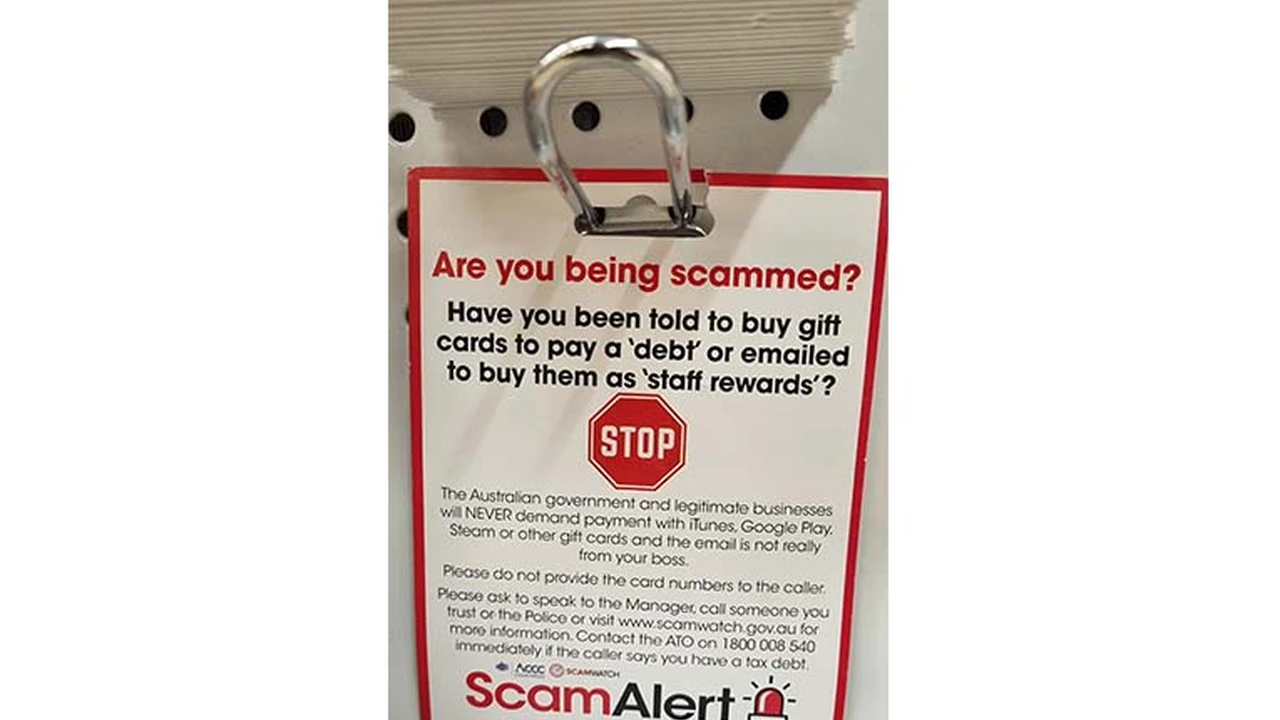
Be suspicious of urgent requests. Scammers often create a sense of urgency to pressure you into making hasty decisions. This could be a fake IRS agent demanding immediate payment or a supposed tech support representative claiming your computer has a virus. Legitimate organizations will rarely demand immediate action or payment via unusual methods like gift cards or wire transfers.
Educate yourself on common scam types. Romance scams, lottery scams, investment scams, and grandparent scams are just a few examples. The more you know about how these scams operate, the better equipped you'll be to recognize and avoid them. Resources from government agencies like the Federal Trade Commission (FTC) in the US or local consumer protection agencies in Southeast Asia often provide up-to-date information on current scam trends.
What to Do If Your Identity Is Stolen Immediate Action Steps
Despite your best efforts, identity theft can still happen. If you suspect your identity has been stolen, immediate action is crucial to minimize the damage. First, contact the companies where the fraud occurred. This could be your bank, credit card issuer, or any other institution where unauthorized accounts were opened or transactions made. Close fraudulent accounts and change passwords for all your online accounts.
Next, place a fraud alert or freeze your credit with the three major credit bureaus (Equifax, Experian, and TransUnion). A fraud alert makes it harder for identity thieves to open new accounts in your name, as businesses must verify your identity before extending credit. A credit freeze, which is even stronger, restricts access to your credit report entirely, preventing new credit from being opened. You can lift the freeze temporarily if you need to apply for credit yourself. These services are generally free.
File a report with the Federal Trade Commission (FTC) at IdentityTheft.gov in the US. The FTC will provide you with a personalized recovery plan and an official Identity Theft Report, which is essential for disputing fraudulent accounts and transactions. In Southeast Asia, report to your local police and relevant consumer protection agencies.
Finally, file a police report. While local police may not always investigate individual identity theft cases, having a police report can be helpful for disputing fraudulent charges and proving to creditors that you are a victim of a crime.
Advanced Protection Measures Beyond the Basics
For those seeking an even higher level of protection, consider some advanced strategies. Regularly check your medical bills and Explanation of Benefits (EOB) statements for services you didn't receive, which could indicate medical identity theft. Review your Social Security Administration earnings statement annually for any suspicious activity that might suggest someone is using your SSN for employment.
Consider using a secure email service that offers end-to-end encryption, such as Proton Mail or Tutanota. Proton Mail offers a free tier with limited storage and paid plans starting around $5 per month, providing strong encryption and a focus on privacy. Tutanota also has a free version and paid plans starting at about $1.20 per month, emphasizing security and open-source principles. These services ensure that your email communications remain private and secure from interception.
For sensitive documents, consider using encrypted cloud storage solutions like Sync.com or Tresorit. Sync.com offers a free 5GB plan and paid plans starting around $8 per month for 2TB, providing zero-knowledge encryption, meaning even Sync cannot access your files. Tresorit is a premium-only service, starting around $10 per month for 1TB, and is known for its enterprise-grade security and compliance. These services ensure that your files are encrypted before they even leave your device, adding a significant layer of protection against data breaches.
Finally, be mindful of what you share on online forms and surveys. Many seemingly innocuous questions can be used to piece together your identity or answer security questions. When in doubt, err on the side of caution and don't provide information unless it's absolutely necessary and you trust the recipient.
Staying Informed and Adapting to New Threats Continuous Learning for Digital Safety
The landscape of identity theft and cybercrime is constantly evolving. New scams and attack vectors emerge regularly. Therefore, staying informed is a continuous process. Follow reputable cybersecurity news outlets, consumer protection agencies, and government advisories. Subscribe to newsletters from organizations like the FTC or your local equivalent. Regularly update your knowledge about the latest phishing techniques, malware threats, and data breach incidents.
Teach your family members, especially children and elderly relatives, about the risks of identity theft and how to protect themselves. Many scams specifically target vulnerable populations. Open communication and education within your household can create a stronger collective defense against these threats.
Remember, preventing identity theft is not a one-time task but an ongoing commitment. By implementing these best practices, utilizing recommended tools, and maintaining a vigilant mindset, you can significantly reduce your risk and protect your personal information in an increasingly complex digital world.
:max_bytes(150000):strip_icc()/277019-baked-pork-chops-with-cream-of-mushroom-soup-DDMFS-beauty-4x3-BG-7505-5762b731cf30447d9cbbbbbf387beafa.jpg)