Gift Card Scams How Crooks Use Them
Understand how scammers exploit gift cards and how to avoid becoming a victim.
Understand how scammers exploit gift cards and how to avoid becoming a victim. Gift card scams are a sneaky and increasingly common way for fraudsters to trick people out of their hard-earned money. They're particularly effective because gift cards feel safe and familiar, making them an easy tool for criminals to manipulate. Whether you're in the bustling markets of Southeast Asia or the busy streets of the US, these scams are everywhere, preying on trust and urgency. This article will dive deep into how these scams work, why they're so popular with crooks, and most importantly, how you can protect yourself and your loved ones. We'll also look at some specific products and scenarios to help you stay one step ahead.
Gift Card Scams How Crooks Use Them
Gift cards, those convenient little plastic rectangles or digital codes, are a fantastic way to give someone the gift of choice. They're perfect for birthdays, holidays, or just a thoughtful gesture. However, this very convenience and widespread acceptance have made them a prime target for scammers. Fraudsters love gift cards because they're essentially untraceable cash once activated, and they're incredibly easy to liquidate. Unlike bank transfers or credit card payments, which often have layers of protection and reversal options, a gift card payment is usually final. Once the scammer has the code, your money is gone.
The sheer variety of gift cards available – from major retailers like Amazon, Apple, Google Play, and Steam, to specific stores like Walmart, Target, or even local grocery chains – means there's always a gift card that fits a scammer's narrative. They exploit the trust people have in these brands and the perceived legitimacy of using a gift card as a form of payment.
Understanding the Psychology Behind Gift Card Scams Why They Work
Scammers are master manipulators, and they leverage several psychological tactics to make gift card scams effective. The primary drivers are urgency, fear, and authority. They create situations where victims feel pressured to act immediately, often under the threat of severe consequences, or by impersonating someone in a position of power or trust.
Urgency and Fear Tactics in Gift Card Fraud
Imagine getting a call from someone claiming to be from the IRS or your local police department, telling you that you owe back taxes or have an outstanding warrant. They threaten immediate arrest or severe penalties if you don't pay up right away. But here's the kicker: they insist you pay with gift cards. Why? Because it's quick, and it bypasses traditional financial systems that might flag suspicious activity. The fear of legal repercussions or financial ruin overrides critical thinking, pushing victims to comply without questioning the unusual payment method.
Similarly, utility bill scams often involve a caller threatening to disconnect your power or water within minutes if you don't pay an overdue bill immediately. Again, the demand is for gift cards. The panic of losing essential services can make people overlook the absurdity of paying a utility bill with an Apple gift card.
Impersonation and Authority Scams Using Gift Cards
Scammers frequently impersonate figures of authority or trust. This could be a government agency, a tech support representative, a bank official, or even a family member in distress. For example, in a common tech support scam, you might get a pop-up on your computer screen claiming to be from Microsoft or Apple, warning you of a severe virus. When you call the number, the 'technician' convinces you that your computer is compromised and demands payment for 'repairs' or 'software licenses' using gift cards.
Another prevalent scam involves impersonating a loved one, often a grandchild, who claims to be in an emergency situation (e.g., arrested, stranded, in the hospital) and needs money immediately, requesting gift cards because they're the fastest way to send funds. The emotional connection and desire to help can blind victims to the red flags.
Common Scenarios Where Gift Cards Are Exploited by Crooks
Let's break down some of the most common ways scammers use gift cards. Knowing these scenarios is your first line of defense.
Government Impersonation Scams IRS and Social Security Gift Card Demands
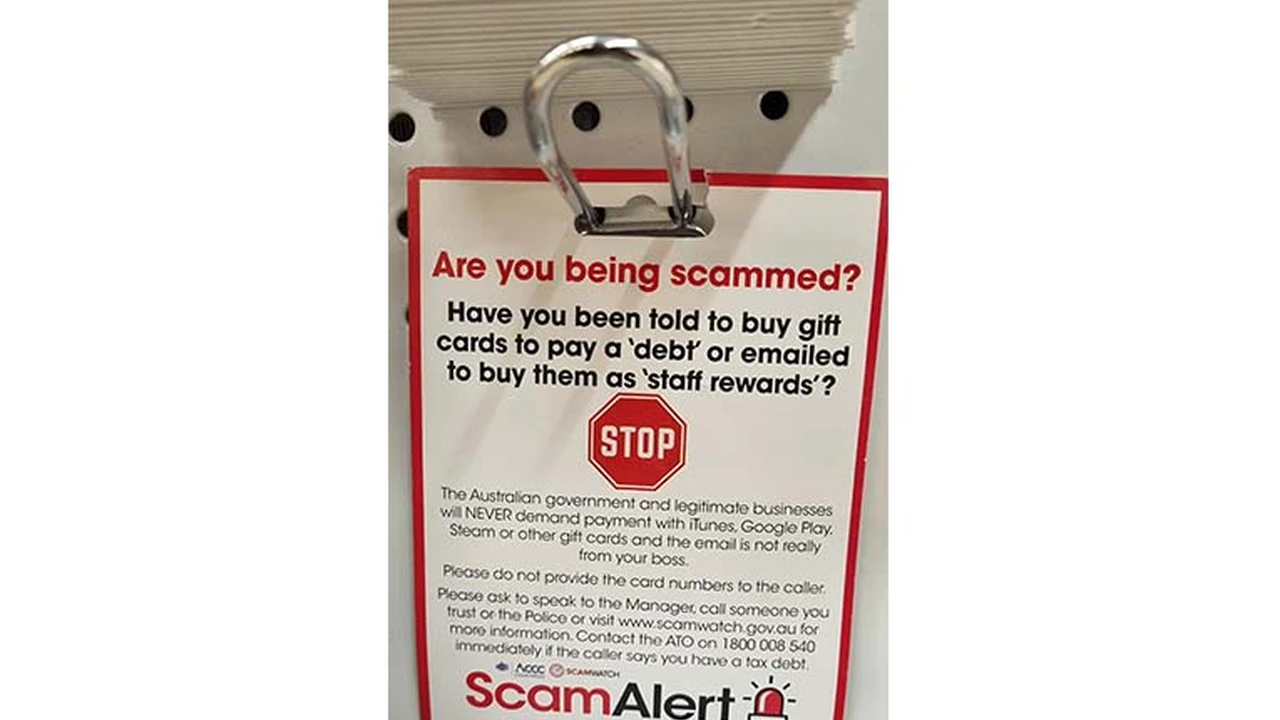
This is a classic. Scammers pretend to be from the IRS, Social Security Administration, or other government bodies. They'll claim you owe taxes, have a warrant for your arrest, or that your Social Security number has been compromised. The demand is always for immediate payment via gift cards. Remember, legitimate government agencies will NEVER demand payment via gift cards. They will typically send official letters and offer various payment methods, not just gift cards.
Tech Support Scams Using Gift Cards for Fake Services
You're browsing online, and suddenly a scary-looking pop-up appears, claiming your computer is infected with a severe virus. It urges you to call a toll-free number immediately. When you call, a 'technician' gains remote access to your computer (often by convincing you to download software) and then demands hundreds of dollars for 'repairs' or 'antivirus software,' payable only with gift cards. They might even show you fake error messages to convince you of the severity of the 'problem.' Legitimate tech support companies do not operate this way.
Utility and Service Disconnection Scams Gift Card Payments
A caller claims to be from your electric, gas, or water company, threatening immediate service disconnection if an overdue bill isn't paid right away. They insist on payment with gift cards, often directing you to a specific store to purchase them. Always verify such calls directly with your utility provider using a number from their official website or a previous bill, not the number the caller provides.
Grandparent Scams and Emergency Scams Gift Card Requests
This scam preys on the love and concern for family. You might receive a call, text, or email from someone pretending to be a grandchild, niece, nephew, or other loved one. They claim to be in an urgent situation – arrested, in an accident, stranded in another country – and desperately need money, specifically gift cards, because it's the fastest way to get funds. They'll often ask you not to tell anyone else, adding to the urgency and secrecy. Always verify such requests by calling the family member directly on a known number or contacting other family members.
Online Purchase and Overpayment Scams Gift Card Refunds
In this scenario, you might be selling an item online. A 'buyer' sends you a check for more than the asking price, claiming it was an accidental overpayment. They then ask you to refund the difference using gift cards. The check will eventually bounce, but by then, you've already sent the gift card codes, and your money is gone. Never refund overpayments with gift cards; always wait for checks to fully clear, and ideally, use secure payment platforms.
Romance Scams Gift Cards for 'Emergencies'
Scammers create fake online profiles, often on dating sites or social media, and build emotional relationships with victims. Once trust is established, they start asking for money for various 'emergencies' – medical bills, travel expenses to visit you, business investments – and frequently request gift cards as a discreet and quick way to send funds. The emotional manipulation makes these scams particularly devastating.
Why Gift Cards Are a Scammer's Favorite Payment Method
The appeal of gift cards for fraudsters is multifaceted:
- Untraceable: Once the gift card code is redeemed, it's nearly impossible to trace who used it or where the funds went.
- Irreversible: Unlike credit card transactions or bank transfers, gift card payments are generally final. There's no chargeback mechanism.
- Quick Liquidation: Scammers can quickly sell gift card codes online for cash, often at a slight discount, or use them to purchase goods that can then be resold.
- Easy to Obtain: Gift cards are readily available at almost any grocery store, pharmacy, or retail outlet, making them accessible for victims to purchase.
- Bypasses Security: They bypass the fraud detection systems and security protocols associated with traditional banking and credit card transactions.
Protecting Yourself and Your Loved Ones from Gift Card Scams Essential Tips
Staying safe from gift card scams boils down to vigilance and skepticism. Here are some crucial tips:
Never Pay Government Agencies or Utilities with Gift Cards
This is the golden rule. No legitimate government agency (IRS, Social Security, police) or utility company will ever demand payment via gift cards. If someone asks you to pay a bill or fine with a gift card, it's a scam. Hang up immediately and verify any claims by contacting the agency directly using official contact information.
Be Wary of Urgent Requests for Gift Cards
Scammers thrive on urgency. If someone is pressuring you to buy gift cards immediately, especially for an 'emergency' or to avoid a 'consequence,' it's a huge red flag. Take a moment to pause, breathe, and think critically. Scammers don't want you to have time to think or verify.
Verify Unexpected Requests from Family or Friends
If a family member or friend contacts you with an urgent request for gift cards, especially if they ask you to keep it a secret, verify their identity. Call them back on a known phone number, or contact another family member to confirm the story. Don't rely on the contact information provided in the suspicious message.
Question Unusual Payment Methods for Services
Legitimate businesses and service providers accept standard payment methods like credit cards, debit cards, or bank transfers. If a 'tech support' company or any other service provider insists on gift cards for payment, it's a scam. Walk away.
Educate Yourself and Others on Gift Card Fraud
The more people who are aware of these scams, the harder it is for fraudsters to succeed. Talk to your elderly relatives, friends, and anyone who might be vulnerable. Share this information and encourage them to be skeptical of unsolicited calls or messages demanding gift cards.
Check Gift Cards Before Purchase for Tampering
While less common for online scams, physical gift cards can be tampered with. Scammers might scratch off the activation code, replace it with a fake one, and then wait for someone to load money onto the card. Always check the packaging for any signs of tampering before purchasing a physical gift card.
Specific Products and Services to Help Combat Gift Card Scams
While direct products to 'stop' gift card scams are limited because the scam relies on human deception, there are tools and practices that enhance overall digital security and awareness, indirectly helping to prevent these scams.
1. Identity Theft Protection Services
Many gift card scams start with some form of identity theft or impersonation. Services like LifeLock, IdentityForce, or Experian IdentityWorks monitor your personal information, credit, and public records for suspicious activity. If your identity is compromised, these services can alert you, potentially preventing scammers from using your information to create convincing scam scenarios. They often include features like dark web monitoring, credit monitoring, and identity restoration assistance.
- LifeLock (by Norton): Offers comprehensive identity theft protection, including credit monitoring, dark web monitoring, and identity restoration services.
- IdentityForce: Known for its robust monitoring features, including financial account monitoring, court records monitoring, and change of address alerts.
- Experian IdentityWorks: Provides credit monitoring, FICO score tracking, and identity theft insurance, leveraging Experian's extensive credit data.
Use Case: If a scammer has obtained some of your personal details, an identity theft protection service might flag unusual activity, giving you an early warning that you might be targeted for a scam, including those involving gift cards.
Comparison: LifeLock is often seen as a premium, all-in-one solution. IdentityForce is praised for its thorough monitoring. Experian IdentityWorks integrates well with Experian's credit reporting. Pricing typically ranges from $10-$30 per month, depending on the plan and features.
2. Call Blocking and Spam Filtering Apps
Many gift card scams originate from unsolicited phone calls or text messages. Apps like Truecaller, Hiya, or built-in phone features can help identify and block known scam numbers, reducing your exposure to these initial contact attempts.
- Truecaller: Identifies unknown callers, blocks spam calls, and has a large community-based spam list. Available for iOS and Android.
- Hiya: Offers caller ID, spam blocking, and reverse phone lookup. Integrates with some phone carriers. Available for iOS and Android.
- Nomorobo: Specifically designed to block robocalls and telemarketing calls. Available for landlines and mobile phones.
Use Case: These apps can prevent many scam calls from even reaching you, or at least warn you that an incoming call is likely spam or a scam, giving you a chance to ignore it or be extra cautious.
Comparison: Truecaller and Hiya are comprehensive caller ID and spam blocking apps. Nomorobo is highly effective for robocalls. Many are free with premium features available for a few dollars a month.
3. Secure Messaging Apps with Verification Features
While not directly preventing gift card scams, using secure messaging apps like Signal or WhatsApp (with proper security settings) for communicating with family and friends can help. These apps often have features like end-to-end encryption and the ability to verify contacts, making it harder for scammers to impersonate loved ones through compromised accounts.
- Signal: Widely regarded as the most secure messaging app, offering end-to-end encryption for all communications.
- WhatsApp: Also offers end-to-end encryption and has a large user base, but be mindful of account takeover scams.
Use Case: If a scammer tries to impersonate a family member via text or social media, having a secure, verified channel for communication can help you confirm their identity before acting on any urgent requests.
Comparison: Signal is superior for privacy. WhatsApp is more widely used. Both are free.
4. Antivirus and Anti-Malware Software
Some gift card scams, particularly tech support scams, involve malware or deceptive pop-ups. Robust antivirus software can protect your computer from these threats.
- Norton 360: Comprehensive security suite with antivirus, VPN, dark web monitoring, and password manager.
- Bitdefender Total Security: Offers excellent malware detection rates, multi-device protection, and a range of privacy tools.
- Malwarebytes: Specializes in detecting and removing malware, including ransomware and spyware.
Use Case: These programs can prevent malicious pop-ups or software downloads that scammers use to initiate tech support scams, thereby protecting you from their gift card demands.
Comparison: Norton and Bitdefender are full security suites. Malwarebytes is excellent for targeted malware removal. Pricing varies from $30-$100+ annually, depending on features and number of devices.
What to Do If You've Been Scammed with Gift Cards
Even with the best precautions, sometimes people fall victim. If you suspect you've been scammed using gift cards, act quickly:
- Contact the Gift Card Company Immediately: Call the customer service number on the back of the gift card. Explain that you've been scammed. While it's a long shot, some companies might be able to freeze the funds if the card hasn't been redeemed yet.
- Report to the Federal Trade Commission (FTC) in the US: File a report at reportfraud.ftc.gov. This helps authorities track scams and potentially take action against fraudsters.
- Report to Local Law Enforcement: File a police report. While local police may not be able to recover your money, it creates a record of the incident.
- Notify Your Bank or Credit Card Company: If you purchased the gift cards using a credit or debit card, inform your bank or credit card company. They might offer some protection or advice.
- Warn Others: Share your experience with friends and family to prevent them from falling victim to similar scams.
Gift card scams are a persistent threat in the digital landscape, but they are preventable. By understanding the tactics scammers use, recognizing the red flags, and implementing smart security practices, you can protect your finances and peace of mind. Always remember: if someone demands payment with gift cards, especially under pressure, it's almost certainly a scam. Stay vigilant, stay informed, and keep your money safe!
:max_bytes(150000):strip_icc()/277019-baked-pork-chops-with-cream-of-mushroom-soup-DDMFS-beauty-4x3-BG-7505-5762b731cf30447d9cbbbbbf387beafa.jpg)