3 Key Differences Between Healthy and Unhealthy Love
Understand the 3 key distinctions between healthy and unhealthy love. Foster fulfilling and respectful relationships.
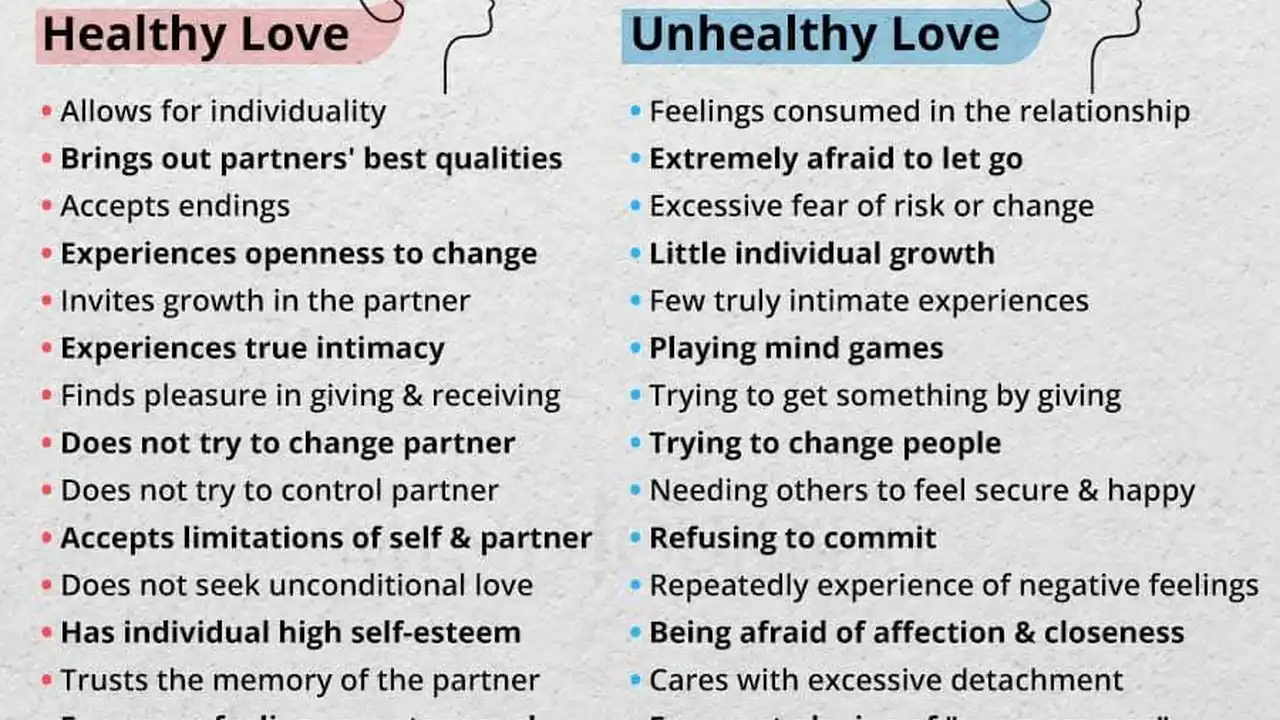
Understand the 3 key distinctions between healthy and unhealthy love. Foster fulfilling and respectful relationships. Navigating the complex world of relationships can sometimes feel like trying to read a map without a legend. We all crave connection, intimacy, and a sense of belonging, but how do we know if the love we're experiencing, or giving, is truly healthy? It's a question that many of us ponder, often after experiencing the highs and lows that come with romantic partnerships. This article is designed to be your compass, helping you identify the crucial differences between love that uplifts and empowers, and love that can subtly, or overtly, diminish your well-being.
We're going to dive deep into three core areas where healthy and unhealthy love diverge significantly. Think of these as the foundational pillars of any relationship. By understanding these distinctions, you'll be better equipped to assess your own relationships, communicate your needs more effectively, and ultimately, build connections that truly nourish your soul. We'll also explore some practical tools and resources that can help you cultivate healthier relationship patterns, including a look at some popular apps and books that offer guidance and support.
Let's get started on this journey of understanding, because recognizing the signs is the first step towards fostering fulfilling and respectful relationships.
3 Key Differences Between Healthy and Unhealthy Love
1. Communication Styles The Foundation of Connection vs. Control
Communication is often cited as the cornerstone of any successful relationship, and for good reason. It's the primary vehicle through which we share our thoughts, feelings, needs, and desires. However, the *style* of communication can drastically differentiate healthy love from unhealthy love. In healthy relationships, communication is characterized by openness, honesty, respect, and active listening. It's a two-way street where both partners feel heard, validated, and understood. There's a sense of psychological safety, allowing for vulnerability without fear of judgment or retaliation.
Think about it: in a healthy dynamic, if you have a concern, you can express it calmly and directly. Your partner listens, asks clarifying questions, and genuinely tries to understand your perspective, even if they don't immediately agree. Disagreements are seen as opportunities for growth and understanding, not as battles to be won. Solutions are sought collaboratively, and compromise is a natural part of the process. There's an underlying assumption of good intent, and even when emotions run high, the respect for each other's feelings remains intact.
On the flip side, unhealthy communication often involves manipulation, passive-aggression, stonewalling, gaslighting, or outright aggression. Instead of fostering understanding, it creates confusion, resentment, and fear. One partner might dominate conversations, dismiss the other's feelings, or use guilt trips to get their way. There might be a lack of transparency, with secrets being kept or information being withheld. In extreme cases, communication can become a tool for control, where one partner dictates what the other can say, who they can talk to, or even how they should feel.
Consider a scenario: in an unhealthy relationship, if you express a concern, your partner might immediately become defensive, turn the blame back on you, or minimize your feelings. They might give you the silent treatment for days, making you feel isolated and punished. Or, they might twist your words, making you doubt your own memory and perception of events. This kind of communication erodes trust, creates an environment of anxiety, and ultimately, prevents genuine intimacy from flourishing.
Tools for Improving Communication in Relationships
Improving communication is a skill, and like any skill, it can be learned and honed. Here are some resources that can help:
Relationship Communication Apps for Better Dialogue
* Paired: Couples & Relationship App
* Description: Paired offers daily questions, quizzes, and games designed to spark conversation and deepen connection. It's a fun and engaging way to learn more about your partner and discuss important topics. It also provides expert-backed advice and exercises.
* Use Case: Couples looking for structured ways to initiate conversations, especially about topics they might otherwise avoid. Great for busy couples who want to dedicate a few minutes each day to connecting.
* Comparison: More interactive and game-like than traditional therapy apps. Focuses on proactive communication rather than reactive problem-solving.
* Price: Free basic version, premium subscription for full features (typically $9.99/month or $49.99/year).
* Love Nudge
* Description: Based on Gary Chapman's 'The 5 Love Languages,' this app helps you discover your and your partner's love languages and then provides suggestions for how to 'nudge' each other in those languages. It encourages intentional acts of love and appreciation.
* Use Case: Couples who want to understand and practice expressing love in ways that truly resonate with their partner. Excellent for improving emotional connection and reducing misunderstandings.
* Comparison: Highly specialized around the Love Languages concept. Less about general communication skills and more about specific acts of affection.
* Price: Free.
* Gottman Card Decks
* Description: Developed by the renowned Gottman Institute, this app offers over 14 card decks with questions, ideas for dates, and ways to express appreciation. It's a simple yet powerful tool for fostering connection and communication.
* Use Case: Couples seeking prompts for meaningful conversations, date ideas, or ways to show affection. Useful for both new and long-term relationships.
* Comparison: Straightforward and research-backed. Less guided than Paired, more about providing conversation starters.
* Price: Free.
Books for Mastering Relationship Communication
* 'Nonviolent Communication: A Language of Life' by Marshall B. Rosenberg
* Description: This book introduces a powerful framework for communicating with empathy and honesty, even in difficult situations. It teaches you how to express your needs without blame and listen to others with compassion.
* Use Case: Individuals or couples struggling with conflict, misunderstanding, or expressing their needs effectively. Essential for building deeper empathy.
* Comparison: A foundational text in communication theory, applicable beyond romantic relationships. Focuses on a specific communication model.
* Price: Around $15-$20 for paperback/eBook.
* 'Hold Me Tight: Seven Conversations for a Lifetime of Love' by Sue Johnson
* Description: Based on Emotionally Focused Therapy (EFT), this book guides couples through seven transformative conversations to understand and reshape their emotional bonds. It helps identify negative interaction patterns and create secure attachment.
* Use Case: Couples experiencing recurring conflicts, emotional distance, or a desire to deepen their emotional connection. Highly recommended for those seeking to understand attachment theory in practice.
* Comparison: More focused on emotional attachment and underlying relationship dynamics than just surface-level communication techniques.
* Price: Around $15-$20 for paperback/eBook.
2. Autonomy and Individuality Fostering Growth vs. Smothering Identity
Another critical distinction lies in how relationships handle individual autonomy and identity. Healthy love celebrates and encourages each partner's individuality, personal growth, and independence. It understands that while two people come together, they remain distinct individuals with their own dreams, hobbies, friendships, and career aspirations. There's a mutual respect for personal space and boundaries, and partners feel empowered to pursue their own interests without guilt or fear of abandonment.
In a healthy relationship, your partner is your biggest cheerleader. They encourage you to spend time with your friends, pursue your passions, and grow as a person. They don't see your independence as a threat but as something that enriches both your life and the relationship itself. There's a balance between togetherness and separateness, allowing both individuals to thrive. You feel secure enough to be yourself, knowing that your partner loves and accepts you for who you are, not for who they want you to be.
Conversely, unhealthy love often involves a gradual erosion of individuality and autonomy. One partner might become overly possessive, jealous, or controlling, attempting to isolate the other from friends and family. Hobbies and interests might be discouraged or ridiculed, leading to a sense of guilt whenever one tries to engage in activities outside the relationship. There's a pressure to conform to the other person's expectations, leading to a loss of self-identity and a feeling of being trapped.
Imagine this: in an unhealthy dynamic, your partner might constantly question where you're going, who you're with, or why you need time alone. They might make you feel guilty for wanting to spend time with friends, implying that you don't prioritize them enough. Over time, you might find yourself giving up hobbies you once loved, losing touch with friends, and feeling like your entire identity is wrapped up in the relationship. This kind of dynamic stifles personal growth and can lead to feelings of resentment, anxiety, and a profound sense of loss of self.
Resources for Reclaiming Autonomy and Setting Boundaries
If you find yourself in a relationship where your individuality is being stifled, or if you want to ensure you're fostering healthy autonomy, these resources can be invaluable:
Apps for Personal Growth and Boundary Setting
* Fabulous Daily Planner & Habit Tracker
* Description: While not specifically a relationship app, Fabulous helps you build healthy habits and routines, which is crucial for maintaining individuality. It encourages self-care, goal setting, and personal development, empowering you to focus on your own growth.
* Use Case: Individuals who want to re-establish personal routines, pursue individual goals, and prioritize self-care. Excellent for rebuilding a sense of self outside of a relationship.
* Comparison: A general habit-building app, but its focus on personal well-being directly supports autonomy. Less about relationship dynamics, more about individual empowerment.
* Price: Free basic version, premium subscription for full features (typically $9.99/month or $69.99/year).
* Boundaries by Nedra Glover Tawwab (Book Companion App)
* Description: While not a standalone app, many of Nedra Glover Tawwab's resources (from her popular books) are available in app formats or through online courses. These resources provide practical scripts and strategies for setting clear and healthy boundaries in all relationships.
* Use Case: Anyone struggling with saying 'no,' feeling overwhelmed by others' demands, or needing to define their personal limits. Essential for protecting your time, energy, and emotional well-being.
* Comparison: Highly practical and actionable advice specifically on boundaries. Less theoretical, more 'how-to.'
* Price: Varies depending on the specific course or digital product, often around $20-$50.
Books on Self-Worth and Healthy Boundaries
* 'Set Boundaries, Find Peace: A Guide to Reclaiming Yourself' by Nedra Glover Tawwab
* Description: This highly acclaimed book offers clear, actionable advice on how to establish healthy boundaries in all areas of your life. It helps you understand why boundaries are important and provides practical scripts for communicating them effectively.
* Use Case: Anyone who feels their boundaries are constantly being crossed, or who struggles with people-pleasing. A must-read for reclaiming personal space and energy.
* Comparison: Very direct and practical, focusing on the 'how-to' of boundary setting. Less academic, more accessible.
* Price: Around $15-$20 for paperback/eBook.
* 'The Gifts of Imperfection' by Brené Brown
* Description: While not directly about relationships, this book is fundamental for building self-worth and embracing authenticity. It helps individuals understand the importance of self-compassion and living wholeheartedly, which are crucial for maintaining individuality within a partnership.
* Use Case: Individuals struggling with self-doubt, perfectionism, or feeling like they need to be someone they're not. Excellent for fostering a strong sense of self.
* Comparison: More focused on internal work and self-acceptance, which then positively impacts external relationships. A deeper dive into vulnerability and shame.
* Price: Around $10-$15 for paperback/eBook.
3. Trust and Security Building a Safe Haven vs. Constant Uncertainty
The third major differentiator between healthy and unhealthy love is the presence, or absence, of trust and security. In healthy relationships, trust is the bedrock. Both partners feel secure in the relationship, confident in each other's loyalty, honesty, and commitment. There's a sense of predictability and reliability, knowing that your partner will be there for you, both emotionally and practically. This security allows for deep intimacy and vulnerability, as you feel safe enough to truly be yourself and share your innermost thoughts and fears.
When trust is present, there's no need for constant monitoring or suspicion. You don't feel the urge to check your partner's phone, question their whereabouts incessantly, or worry about their fidelity. Instead, there's a calm assurance that your partner has your best interests at heart and will act with integrity. This creates a 'safe haven' where both individuals can relax, grow, and face life's challenges together, knowing they have unwavering support.
In contrast, unhealthy love is often plagued by a pervasive sense of distrust, insecurity, and anxiety. This can manifest as extreme jealousy, constant suspicion, or a pattern of broken promises and deception. One partner might repeatedly lie, cheat, or betray the other's confidence, leading to a cycle of hurt and doubt. The relationship becomes a source of stress and uncertainty, rather than comfort and stability. There's a constant feeling of walking on eggshells, never knowing what to expect, and always fearing the next betrayal.
Consider a situation: in an unhealthy relationship, your partner might frequently accuse you of flirting, even when you're just being friendly. They might demand access to your private messages or social media accounts. You might catch them in small lies, leading you to question everything they say. This constant state of suspicion and insecurity is emotionally exhausting and prevents any real intimacy from developing. It creates a prison of doubt, where neither partner can truly relax or feel safe.
Strategies and Support for Building Trust and Security
Rebuilding trust, or ensuring it's firmly established, requires intentional effort and often external support. Here are some avenues to explore:
Therapy and Counseling Services for Trust Issues
* BetterHelp / Talkspace (Online Therapy Platforms)
* Description: These platforms connect you with licensed therapists who specialize in relationship issues, including trust, infidelity, and insecurity. They offer individual and couples counseling via video, phone, or text.
* Use Case: Individuals or couples struggling with deep-seated trust issues, infidelity, or patterns of insecurity. Professional guidance can be invaluable for navigating complex emotional landscapes.
* Comparison: Convenient and accessible online therapy. Offers a wide range of therapists with different specializations. More flexible than traditional in-person therapy.
* Price: Typically $60-$90 per week (billed monthly), depending on the platform and therapist, often covered by insurance.
* Local Couples Therapy / Marriage Counseling
* Description: In-person therapy with a qualified couples counselor. This provides a dedicated, neutral space for partners to address trust issues, improve communication, and work through past hurts with the guidance of a professional.
* Use Case: Couples who prefer face-to-face interaction, or those with severe trust breaches that require intensive, structured intervention. Often recommended for long-term relationship repair.
* Comparison: Traditional, often highly effective, but can be less flexible and more expensive than online options. Provides a strong sense of presence and direct interaction.
* Price: Varies widely by location and therapist, typically $100-$250 per session, sometimes covered by insurance.
Books for Understanding and Rebuilding Trust
* 'The Seven Principles for Making Marriage Work' by John M. Gottman and Nan Silver
* Description: Based on decades of research, this book outlines seven principles that distinguish happy, stable relationships from unhappy ones. It provides practical exercises and insights into building trust, managing conflict, and fostering affection.
* Use Case: Couples looking for a research-backed guide to strengthening their relationship, including building and maintaining trust. Excellent for proactive relationship health.
* Comparison: A classic in relationship literature, highly empirical. Offers a comprehensive framework for overall relationship health, with trust as a core component.
* Price: Around $15-$20 for paperback/eBook.
* 'Daring Greatly: How the Courage to Be Vulnerable Transforms the Way We Live, Love, Parent, and Lead' by Brené Brown
* Description: This book explores the power of vulnerability and how it is essential for building trust and connection. It helps individuals understand that true security comes from embracing imperfection and showing up authentically.
* Use Case: Individuals who struggle with vulnerability, fear of judgment, or opening up in relationships. Crucial for understanding the emotional underpinnings of trust.
* Comparison: Focuses on the individual's capacity for vulnerability as a pathway to trust, rather than specific relationship techniques. A deeper dive into emotional courage.
* Price: Around $10-$15 for paperback/eBook.
Understanding these three key differences – communication styles, autonomy and individuality, and trust and security – is fundamental to discerning whether your love is healthy or unhealthy. It's not always black and white, and relationships exist on a spectrum. However, by consciously evaluating these areas, you can gain clarity, make informed decisions, and actively work towards fostering connections that are truly supportive, respectful, and fulfilling. Remember, you deserve a love that uplifts you, empowers you, and makes you feel safe to be your authentic self.
:max_bytes(150000):strip_icc()/277019-baked-pork-chops-with-cream-of-mushroom-soup-DDMFS-beauty-4x3-BG-7505-5762b731cf30447d9cbbbbbf387beafa.jpg)