Building Resilience Against Workplace Challenges
Strategies for building personal resilience to effectively navigate and overcome workplace challenges.
Strategies for building personal resilience to effectively navigate and overcome workplace challenges.
Building Resilience Against Workplace Challenges
Hey everyone! Let's talk about something super important in our professional lives: resilience. We all face tough times at work, right? Whether it's a demanding boss, a project that goes sideways, or just the daily grind, workplace challenges are inevitable. But how we bounce back from them, how we adapt and grow, that's where resilience comes in. It's not about avoiding stress; it's about having the tools to handle it and come out stronger. This isn't just some fluffy concept; it's a crucial skill for career longevity and overall well-being, especially in today's fast-paced, ever-changing work environments in places like the US and the bustling markets of Southeast Asia.
Understanding Workplace Resilience What It Means for Your Career
So, what exactly is resilience in the workplace? Think of it as your emotional and mental superpower. It's the ability to adapt well in the face of adversity, trauma, tragedy, threats, or significant sources of stress. In a work context, this means being able to cope with setbacks, pressure, and change without letting it derail your performance or your mental health. It's about maintaining a positive outlook, even when things are tough, and learning from those experiences. For example, if a project you poured your heart into gets canceled, a resilient person might feel disappointed but quickly pivot to what's next, learning from the experience rather than dwelling on the failure. This is particularly vital in competitive markets where adaptability is key.
The Core Pillars of Personal Resilience Building Blocks for Success
Building resilience isn't a one-time fix; it's an ongoing process built on several key pillars. Let's break them down:
Self-Awareness and Emotional Regulation Mastering Your Inner World
This is about understanding your own emotions, thoughts, and behaviors. When you're self-aware, you can recognize when you're feeling stressed or overwhelmed and take steps to manage those emotions. Emotional regulation isn't about suppressing feelings; it's about responding to them in a healthy and constructive way. For instance, instead of lashing out when frustrated, you might take a deep breath, step away, and then address the issue calmly. Tools like journaling or mindfulness apps can be incredibly helpful here.
Strong Social Connections Your Support Network at Work and Beyond
No one is an island, especially at work. Having a strong support system – whether it's colleagues, friends, or family – can make a huge difference. These connections provide emotional support, different perspectives, and a sense of belonging. Don't underestimate the power of a good chat with a trusted colleague or a supportive friend after a tough day. Building these relationships takes effort, but the payoff in terms of resilience is immense.
Proactive Problem-Solving and Adaptability Navigating Change with Confidence
Resilient individuals don't just react to problems; they anticipate them and actively seek solutions. They're also highly adaptable, able to adjust their plans and strategies when circumstances change. This means being open to new ideas, learning new skills, and not being afraid to step outside your comfort zone. In a rapidly evolving tech landscape, for example, being able to quickly learn new software or methodologies is a huge asset.
Optimism and Positive Outlook Cultivating a Growth Mindset
This isn't about being naive; it's about maintaining a realistic but hopeful perspective. Resilient people tend to see challenges as opportunities for growth rather than insurmountable obstacles. They believe in their ability to overcome difficulties and learn from mistakes. Cultivating a growth mindset – the belief that your abilities can be developed through dedication and hard work – is central to this pillar.
Physical Well-being The Foundation of Mental Strength
You can't pour from an empty cup. Your physical health directly impacts your mental resilience. This includes getting enough sleep, eating nutritious food, and regular exercise. When you're physically well, you have more energy, better focus, and a stronger ability to cope with stress. Neglecting your physical health is like trying to run a marathon on an empty tank.
Practical Strategies for Building Resilience Actionable Steps for Professionals
Alright, let's get into the nitty-gritty. How can you actually build these pillars?
Mindfulness and Meditation Apps for Stress Reduction and Focus
Mindfulness is a powerful tool for self-awareness and emotional regulation. It teaches you to be present and observe your thoughts and feelings without judgment. There are tons of great apps out there that can guide you through meditation and mindfulness exercises, even for just a few minutes a day. They can help you calm your mind, improve focus, and reduce stress.
- Calm: This app is a powerhouse for meditation, sleep, and relaxation. It offers guided meditations for various topics like stress, anxiety, and focus, along with sleep stories and breathing exercises. It's super user-friendly and great for beginners and experienced meditators alike.
- Headspace: Another incredibly popular choice, Headspace offers guided meditations, courses on different topics (like managing stress or improving focus), and even quick 'SOS' meditations for when you need immediate relief. Their animations make learning about mindfulness really engaging.
- Insight Timer: This app boasts a massive library of free guided meditations, talks, and music from thousands of teachers. It's a fantastic resource if you want a lot of variety and don't mind exploring different styles. It also has a timer for unguided meditation.
- Waking Up with Sam Harris: For those who prefer a more philosophical and in-depth approach to mindfulness and meditation, Sam Harris's app offers daily meditations, lessons, and conversations on the nature of consciousness. It's a bit more advanced but incredibly insightful.
Comparison and Pricing: Calm and Headspace are generally subscription-based, offering free trials. Calm's annual subscription is typically around $69.99, and Headspace is similar, often around $69.99 per year. Insight Timer has a vast free library, with an optional premium subscription (Insight Timer MemberPlus) for around $59.99 per year, which unlocks offline listening, advanced player features, and exclusive courses. Waking Up is also subscription-based, usually around $99.99 per year, but they offer free access to those who can't afford it, which is pretty cool.
Journaling for Self-Reflection and Emotional Processing
Writing down your thoughts and feelings can be incredibly therapeutic. It helps you process experiences, identify patterns, and gain clarity. You don't need fancy tools; a simple notebook and pen will do. However, there are also some great digital options.
- Day One: This is a beautiful and powerful journaling app available on iOS, macOS, and Android. It allows you to add photos, audio recordings, and even location data to your entries. It's great for capturing memories and reflections in a rich format.
- Journey: A cross-platform journaling app (web, iOS, Android, Windows, Mac, Linux) that offers a clean interface and features like markdown support, photo attachments, and mood tracking. It's a solid choice for digital journaling across all your devices.
- Penzu: An online journal and diary that focuses on privacy and security. You can lock your entries with a password, making it a safe space for your most personal thoughts. It's accessible from any web browser.
Comparison and Pricing: Day One offers a free version with basic features and a premium subscription (Day One Premium) for around $34.99 per year, unlocking unlimited journals, cloud sync, and more. Journey has a free version and a premium subscription (Journey Premium) for a one-time purchase of around $29.99 or an annual subscription for $29.99, offering cloud sync, markdown, and desktop apps. Penzu also has a free basic version and a Penzu Pro subscription for around $19.99 per year, which includes custom fonts, journal covers, and advanced search.
Building a Strong Professional Network Mentors and Peers
Actively seek out mentors who can offer guidance and support. Connect with peers who are facing similar challenges. These relationships can provide invaluable insights, emotional support, and even new opportunities. Attend industry events, join professional organizations, and utilize platforms like LinkedIn to expand your network.
Setting Realistic Goals and Celebrating Small Wins
Sometimes, workplace challenges feel overwhelming because the end goal seems so far away. Break down large tasks into smaller, manageable steps. Set realistic goals that you can achieve, and make sure to celebrate those small wins along the way. This builds momentum and reinforces a sense of accomplishment, boosting your confidence and resilience.
Prioritizing Self-Care and Boundaries Protecting Your Energy
This is non-negotiable. Self-care isn't selfish; it's essential for maintaining your energy and mental health. This means setting boundaries around your work hours, taking regular breaks, and engaging in activities that recharge you outside of work. Don't check emails at midnight if you don't have to. Learn to say no when your plate is full. Your well-being is your responsibility.
Learning from Failure and Feedback Turning Setbacks into Stepping Stones
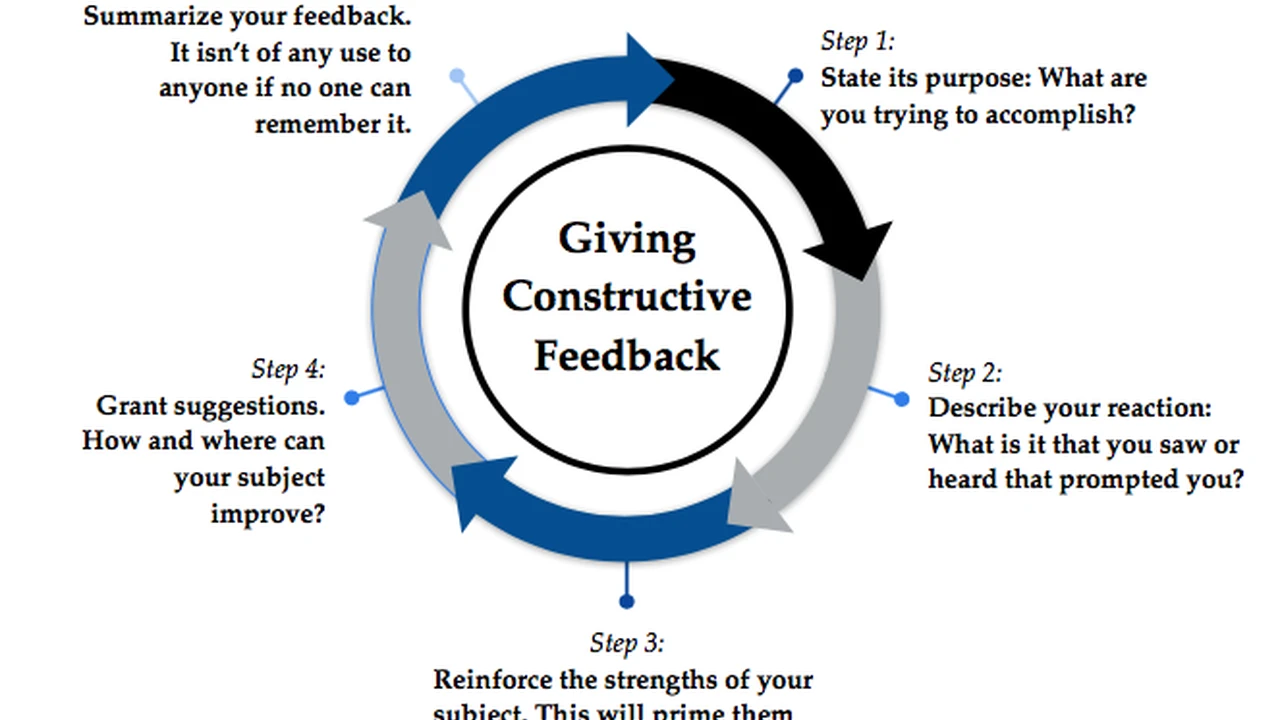
Every setback is an opportunity to learn. Instead of viewing failure as a personal shortcoming, see it as valuable feedback. What went wrong? What could you do differently next time? Seek constructive criticism and use it to improve. This growth-oriented approach is a hallmark of resilient individuals.
Workplace Resilience in a Global Context US vs Southeast Asia Perspectives
While the core principles of resilience are universal, their application can vary slightly depending on cultural and economic contexts. In the US, there's often a strong emphasis on individual achievement and self-reliance, which can sometimes lead to a reluctance to ask for help. However, there's also a growing recognition of mental health and the importance of work-life balance.
In Southeast Asian markets, collectivism and strong community ties often play a significant role. While this can provide a robust support network, there might also be cultural pressures to maintain harmony and avoid confrontation, which could impact how individuals express stress or seek help. However, the rapid economic growth and increasing globalization in these regions are also bringing new challenges and a greater need for individual adaptability and resilience.
Regardless of location, the ability to navigate diverse work cultures, understand different communication styles, and adapt to varying expectations is a form of resilience in itself. Companies operating across these regions are increasingly investing in resilience training for their employees, recognizing its value in a globalized workforce.
The Long-Term Benefits of Cultivating Resilience A Sustainable Career Path
So, why put all this effort into building resilience? The benefits are far-reaching:
- Reduced Stress and Burnout: You'll be better equipped to handle pressure, leading to less stress and a lower risk of burnout.
- Improved Performance: Resilient individuals tend to perform better under pressure and are more likely to achieve their goals.
- Enhanced Career Longevity: The ability to adapt and bounce back means you're more likely to stay in your career for the long haul, even through tough times.
- Better Relationships: Resilience helps you manage conflicts and maintain healthier relationships with colleagues and superiors.
- Greater Job Satisfaction: When you feel capable of handling challenges, you'll naturally feel more satisfied and engaged with your work.
- Personal Growth: Every challenge overcome builds character and strengthens your ability to face future obstacles.
Building resilience is an investment in yourself and your career. It's not about being invincible; it's about being able to stand strong, learn, and grow, no matter what the workplace throws your way. Start small, be consistent, and remember that every step you take towards greater resilience is a step towards a more fulfilling and sustainable professional life.
:max_bytes(150000):strip_icc()/277019-baked-pork-chops-with-cream-of-mushroom-soup-DDMFS-beauty-4x3-BG-7505-5762b731cf30447d9cbbbbbf387beafa.jpg)