5 Best Communication Tips for Stronger Relationships
Master the top 5 communication tips to build stronger, healthier relationships. Improve understanding and connection.
Master the top 5 communication tips to build stronger, healthier relationships. Improve understanding and connection.
5 Best Communication Tips for Stronger Relationships
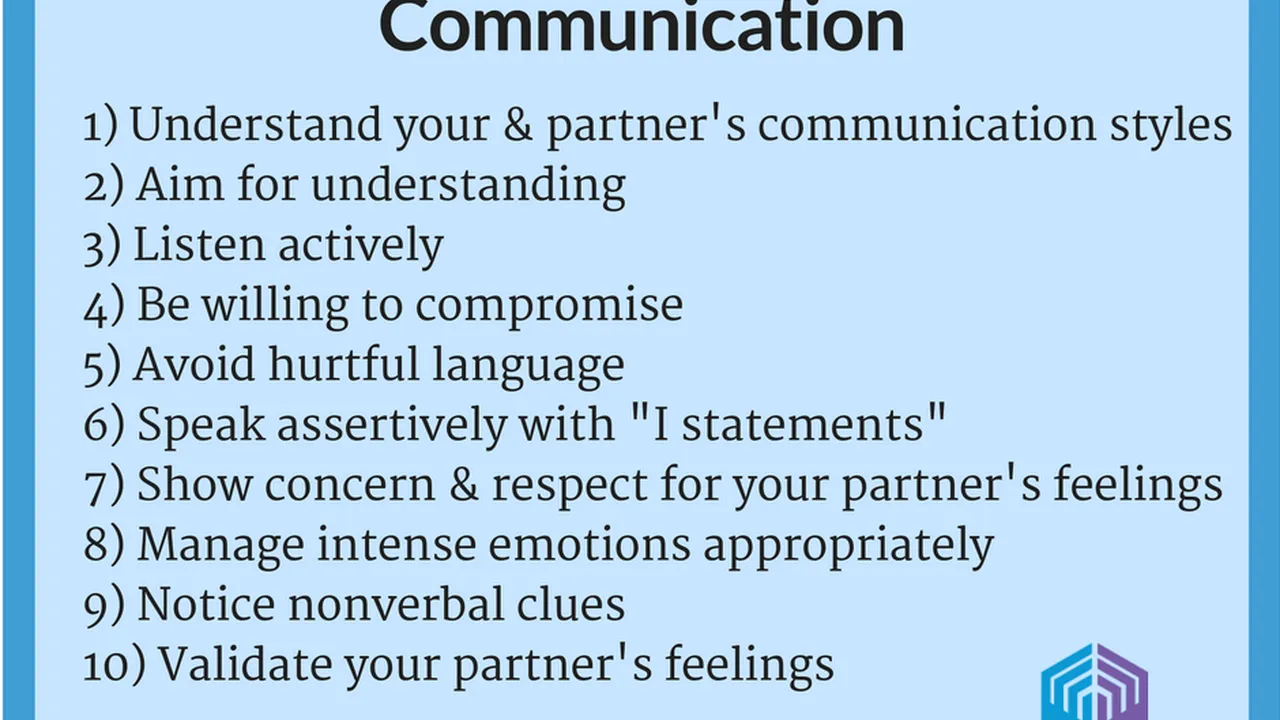
Hey there! Ever feel like you and your partner, family, or even friends are speaking different languages sometimes? You're not alone. Communication is the backbone of any healthy relationship, whether it's romantic, platonic, or professional. When it's good, everything just flows. When it's not, well, things can get pretty messy, pretty fast. But here's the good news: communication isn't some magical talent you're either born with or not. It's a skill, and like any skill, you can totally get better at it with a little practice and the right tools. We're going to dive into the five best communication tips that can seriously level up your relationships, making them stronger, more understanding, and way more connected. Plus, we'll throw in some cool tech and resources that can help you along the way. Let's get started!
Tip 1 Active Listening The Foundation of Understanding
Okay, so this might sound super obvious, but how often do we really listen? Not just waiting for our turn to speak, but truly absorbing what the other person is saying, both verbally and non-verbally? Active listening is about giving your full attention, showing empathy, and making sure you understand before you even think about responding. It's about being present in the conversation.
Why Active Listening Matters for Relationship Health
When you actively listen, you're telling the other person, 'Hey, what you're saying matters to me.' This builds trust and respect, which are huge for any relationship. It also helps prevent misunderstandings because you're clarifying what you hear. Think about it: how many arguments could be avoided if we just took a moment to truly understand the other person's perspective?
How to Practice Active Listening Effectively
- Pay Attention: Put away your phone, turn off the TV, and make eye contact. Show them they have your undivided attention.
- Don't Interrupt: Let them finish their thoughts completely. Resist the urge to jump in with your own opinions or solutions.
- Reflect and Paraphrase: Once they're done, try to summarize what you heard in your own words. For example, 'So, if I'm understanding correctly, you're feeling frustrated because...' This confirms you've heard them and gives them a chance to correct you if you misunderstood.
- Ask Clarifying Questions: If something isn't clear, ask open-ended questions to get more details. 'Can you tell me more about that?' or 'What happened next?'
- Observe Non-Verbal Cues: Body language, facial expressions, and tone of voice can tell you a lot. Are they tense? Sad? Excited?
Recommended Tools for Enhancing Listening Skills
While active listening is mostly about your mindset, some tools can help you practice and reflect:
- Mindfulness Apps: Apps like Calm or Headspace (typically $14.99/month or $69.99/year) can improve your overall presence and focus, which directly translates to better listening. They offer guided meditations that train your brain to stay in the moment.
- Journaling Apps: Apps like Day One (free with in-app purchases, premium $34.99/year) can help you reflect on conversations and how well you listened. Writing down your thoughts after a discussion can highlight areas for improvement.
- Communication Workshops/Courses: Online platforms like Coursera or Udemy offer courses on communication skills (prices vary, often $10-$200). While not a direct 'tool,' these can provide structured learning and exercises for active listening.
Tip 2 Expressing Yourself Clearly and Respectfully The Art of Articulation
So, you've mastered listening. Great! Now, how about getting your own message across without causing confusion or offense? This is where clear and respectful expression comes in. It's about being assertive, not aggressive, and owning your feelings without blaming others.
Why Clear Expression is Crucial for Healthy Interactions
When you express yourself clearly, you reduce the chances of misinterpretation. When you do it respectfully, you maintain the other person's dignity and avoid putting them on the defensive. This creates a safe space for open dialogue, where both parties feel heard and valued.
Strategies for Articulating Your Thoughts and Feelings
- Use 'I' Statements: Instead of 'You always make me feel...' try 'I feel [emotion] when [situation] because [reason].' This focuses on your feelings and experiences rather than accusing the other person.
- Be Specific: Vague complaints are hard to address. Instead of 'You never help out,' try 'I would really appreciate it if you could help with the dishes tonight.'
- State Your Needs Clearly: Don't expect others to read your mind. Clearly articulate what you need or want. 'I need some quiet time to myself right now' is much better than silently fuming.
- Choose Your Timing: Don't bring up a heavy topic when someone is stressed, tired, or distracted. Find a calm moment when you both can give the conversation your full attention.
- Manage Your Tone and Body Language: Your non-verbal cues speak volumes. A calm tone, open posture, and relaxed facial expression convey respect, even when discussing difficult topics.
Helpful Resources for Improving Expressive Communication
- Communication Coaching Apps: Apps like BetterMe (subscription based, around $30/month) sometimes offer modules on communication skills, including how to phrase your thoughts effectively. While broad, they can provide exercises.
- Public Speaking Practice Apps: Even though it's not public speaking, apps like Orai (free with premium features, $10/month) can help you practice speaking clearly and confidently, which translates to better everyday communication. It analyzes your speech for pace, filler words, and clarity.
- Books on Nonviolent Communication (NVC): Marshall Rosenberg's 'Nonviolent Communication: A Language of Life' (around $15-$20 for paperback) is a classic. It provides a framework for expressing needs and feelings without judgment or blame.
Tip 3 Empathy and Perspective Taking Stepping into Their Shoes
Empathy is the ability to understand and share the feelings of another. It's not just about recognizing what someone else is feeling, but truly trying to see the world from their point of view. This is a game-changer for building deep, meaningful connections.
The Power of Empathy in Fostering Connection
When you show empathy, you validate the other person's experience. You're essentially saying, 'I get it. I understand why you feel that way.' This creates a powerful bond and makes people feel seen and understood, which is a fundamental human need. It also helps you respond more appropriately and compassionately.
Exercises for Developing Empathy and Perspective Taking
- Imagine Yourself in Their Situation: Before reacting, pause and ask yourself, 'If I were in their shoes, with their experiences and background, how would I feel? What would I do?'
- Ask Open-Ended Questions About Their Feelings: Instead of assuming, ask, 'How does that make you feel?' or 'What's going through your mind right now?'
- Read Diverse Perspectives: Engage with books, articles, and media from different cultures and viewpoints. This broadens your understanding of human experience.
- Practice Active Imagination: When someone tells you a story, try to visualize it in your mind. Engage all your senses to truly immerse yourself in their narrative.
Tools and Resources for Cultivating Empathy
- Virtual Reality (VR) Empathy Experiences: While a bit niche, some VR experiences are designed to put you in someone else's shoes, like 'Clouds Over Sidra' (free on platforms like YouTube VR). These can be incredibly powerful for developing empathy. (Requires a VR headset, e.g., Oculus Quest 2 for around $299).
- Storytelling Platforms: Websites like Humans of New York (free) or podcasts that feature personal narratives can expose you to a wide range of human experiences, fostering empathy.
- Therapy/Counseling: Working with a therapist (costs vary widely, $50-$200+ per session) can help you explore your own emotional responses and develop greater empathy for yourself and others. Online platforms like BetterHelp or Talkspace offer more accessible options.
Tip 4 Conflict Resolution Strategies Navigating Disagreements Constructively
Let's be real: disagreements are inevitable in any relationship. The key isn't to avoid conflict, but to learn how to navigate it in a way that strengthens the relationship, rather than tearing it down. This means approaching conflict with a problem-solving mindset, not a win-lose mentality.
Why Healthy Conflict Resolution is Vital for Long-Term Relationships
Unresolved conflict festers and erodes trust. Healthy conflict resolution, on the other hand, allows for growth, deeper understanding, and stronger bonds. It shows that you can work through tough times together and come out stronger on the other side. It's about finding solutions that work for everyone involved.
Effective Approaches to Resolving Disagreements
- Stay Calm: When emotions run high, take a break. Agree to revisit the discussion when you've both cooled down. 'I'm feeling overwhelmed right now. Can we talk about this in an hour?'
- Focus on the Issue Not the Person: Attack the problem, not each other. Avoid personal attacks, name-calling, or bringing up past grievances.
- Seek Common Ground: Even if you disagree on a lot, try to find areas where you do agree. This can be a starting point for compromise.
- Be Willing to Compromise: Relationships are about give and take. Be open to finding a solution that meets both your needs, even if it's not exactly what you initially wanted.
- Know When to Agree to Disagree: Some issues might not have a perfect solution, and that's okay. Sometimes, the best resolution is to acknowledge your differences and move forward.
- Apologize When Necessary: If you've said or done something hurtful, genuinely apologize. It goes a long way in repairing trust.
Tools and Resources for Better Conflict Management
- Relationship Counseling Apps: Apps like Relish (around $100/month) or Lasting (free with premium features, $11.99/month) offer guided exercises and advice specifically for couples to improve communication and conflict resolution. They often use evidence-based techniques.
- Mediation Services: For more serious conflicts, professional mediation (costs vary, often $100-$300+ per hour) can provide a neutral third party to help facilitate a resolution. Online mediation services are also available.
- Books on Conflict Resolution: 'Crucial Conversations Tools for Talking When Stakes Are High' (around $15-$20 for paperback) is an excellent resource for learning how to handle difficult discussions effectively.
Tip 5 Building Trust and Vulnerability The Path to Deeper Connection
Trust is the bedrock of any strong relationship, and vulnerability is the key to building it. It means being open, honest, and willing to share your true self, even the parts that feel a little scary. It's about taking a risk and allowing yourself to be seen.
The Role of Trust and Vulnerability in Intimate Relationships
When you trust someone, you believe in their reliability, honesty, and good intentions. When you're vulnerable, you invite them to see your authentic self, which deepens intimacy and connection. It creates a safe space where both people feel comfortable being themselves, flaws and all.
Practices for Fostering Trust and Encouraging Vulnerability
- Be Consistent: Follow through on your promises. Reliability builds trust over time.
- Be Honest: Even when it's difficult, honesty is crucial. White lies can erode trust quickly.
- Share Your Feelings and Experiences: Start small. Share a fear, a hope, or a past experience that shaped you. See how the other person responds.
- Listen Without Judgment: When someone is vulnerable with you, respond with empathy and acceptance. Avoid judgment or trying to 'fix' them. Just listen.
- Respect Boundaries: Trust is built when you respect the other person's limits and needs.
- Apologize and Make Amends: If you break trust, acknowledge it, apologize sincerely, and work to make things right.
Supportive Tools for Nurturing Trust and Vulnerability
- Couples Therapy/Individual Therapy: As mentioned before, therapy can be incredibly helpful. A therapist can provide a safe space to explore trust issues and practice vulnerability. (Costs vary, see above for apps like BetterHelp/Talkspace).
- Relationship Building Card Games: Games like 'Our Moments Couples' or 'The And' (around $20-$30) are designed with prompts to encourage deep conversations and vulnerability between partners. They create a fun, low-pressure environment for sharing.
- Journaling: Writing down your thoughts and feelings can help you understand your own vulnerabilities better, making it easier to share them with others. (Day One app, mentioned earlier).
- Books on Vulnerability: Brené Brown's 'Daring Greatly' or 'The Gifts of Imperfection' (around $15-$20 for paperback) are fantastic resources for understanding the power of vulnerability and how to embrace it.
So there you have it! Five powerful communication tips that can truly transform your relationships. Remember, it's a journey, not a destination. There will be bumps along the way, but with active listening, clear expression, empathy, healthy conflict resolution, and a willingness to be vulnerable, you're well on your way to building connections that are not just strong, but deeply fulfilling. Keep practicing, keep learning, and enjoy the amazing relationships that blossom from your efforts!
:max_bytes(150000):strip_icc()/277019-baked-pork-chops-with-cream-of-mushroom-soup-DDMFS-beauty-4x3-BG-7505-5762b731cf30447d9cbbbbbf387beafa.jpg)