5 Best Ways to Manage Stress Effectively
Discover the top 5 effective strategies to manage stress in your daily life. Learn practical tips for a calmer, more balanced you.
Discover the top 5 effective strategies to manage stress in your daily life. Learn practical tips for a calmer, more balanced you.
5 Best Ways to Manage Stress Effectively
Hey there! Let's be real, stress is pretty much an unavoidable part of modern life, right? Whether it's looming deadlines, financial worries, relationship hiccups, or just the general hustle and bustle, stress can sneak up on us and really take a toll on our mental and physical well-being. But here's the good news: you're not powerless against it! There are tons of effective strategies you can use to not just cope with stress, but actually manage it and even reduce its impact on your daily life. We're going to dive deep into five of the absolute best ways to do just that, offering practical tips, real-world scenarios, and even some product recommendations to help you on your journey to a calmer, more balanced you.
Think of this as your ultimate guide to stress-busting. We'll explore everything from simple breathing exercises you can do anywhere to smart tech that can help you track your progress. So, if you're ready to reclaim your peace of mind and feel more in control, keep reading!
1. Master Mindfulness and Meditation for Stress Reduction
Mindfulness and meditation aren't just buzzwords; they're powerful tools that can fundamentally change your relationship with stress. At its core, mindfulness is about being fully present in the moment, observing your thoughts and feelings without judgment. Meditation is the practice that helps you cultivate this state. When you're stressed, your mind often races, dwelling on the past or worrying about the future. Mindfulness brings you back to the 'now,' which can be incredibly grounding.
How Mindfulness and Meditation Help with Stress
- Reduces Rumination: By focusing on the present, you interrupt the cycle of negative thoughts that often fuel stress.
- Increases Self-Awareness: You become more attuned to your body's signals and emotional states, allowing you to catch stress early.
- Promotes Relaxation: Deep breathing and focused attention activate your parasympathetic nervous system, which is responsible for the 'rest and digest' response.
- Improves Emotional Regulation: Regular practice helps you respond to stressful situations more calmly rather than reacting impulsively.
Practical Tips for Incorporating Mindfulness and Meditation
You don't need to be a guru to start. Even a few minutes a day can make a difference.
- Start Small: Begin with 5-10 minutes daily. Find a quiet spot where you won't be disturbed.
- Focus on Your Breath: This is the anchor of most mindfulness practices. Simply observe your inhale and exhale. When your mind wanders (and it will!), gently bring your attention back to your breath.
- Mindful Moments: You can practice mindfulness throughout your day. Pay full attention when you're eating, walking, or even washing dishes. Notice the sensations, smells, and sounds.
- Guided Meditations: These are fantastic for beginners. An instructor guides you through the process, making it easier to stay focused.
Recommended Products for Mindfulness and Meditation
While you don't *need* anything to meditate, some tools can enhance your practice, especially when you're starting out.
Meditation Apps Comparison
| Product | Key Features | Best For | Pricing (Approx.) | User Scenario |
|---|---|---|---|---|
| Calm | Guided meditations, sleep stories, breathing programs, masterclasses. | Beginners, sleep improvement, diverse content. | Free basic, Premium $69.99/year | Someone struggling with insomnia due to stress, looking for a wide variety of guided content. |
| Headspace | Guided meditations, mindfulness exercises, 'SOS' meditations for acute stress, focus music. | Beginners, daily mindfulness, quick stress relief. | Free basic, Premium $69.99/year | A busy professional needing quick, effective meditations to de-stress during lunch breaks or before meetings. |
| Insight Timer | Largest free library of guided meditations, meditation timer, discussion groups, courses. | Experienced meditators, budget-conscious users, community engagement. | Mostly free, Premium $59.99/year | An individual who wants to explore many different meditation styles and teachers without a significant financial commitment. |
Meditation Cushions/Benches: While not essential, a comfortable cushion (like a Zafu or Zabuton) or a meditation bench can help maintain good posture during longer sessions, preventing discomfort from becoming a distraction. Brands like Zafu Store or Samadhi Cushions offer good quality options, typically ranging from $40-$100.
2. Prioritize Physical Activity and Exercise for Stress Relief
You've probably heard it a million times, but exercise really is a fantastic stress reliever. When you're physically active, your body releases endorphins, which are natural mood elevators. It also helps to reduce the levels of stress hormones like cortisol and adrenaline. Plus, it gives you a healthy outlet for pent-up energy and frustration.
How Exercise Helps with Stress Management
- Endorphin Release: These 'feel-good' chemicals act as natural painkillers and mood boosters.
- Reduces Stress Hormones: Regular physical activity helps lower cortisol and adrenaline levels.
- Improves Sleep: Exercise can lead to better quality sleep, which is crucial for stress recovery.
- Boosts Confidence: Achieving fitness goals can enhance self-esteem and a sense of accomplishment.
- Provides a Distraction: Focusing on your workout can temporarily take your mind off stressors.
Practical Tips for Incorporating Physical Activity
The key is to find something you enjoy and can stick with consistently.
- Find Your Fit: Don't force yourself into a workout you hate. Whether it's dancing, hiking, swimming, cycling, or lifting weights, find an activity that genuinely excites you.
- Consistency Over Intensity: Aim for regular, moderate activity rather than sporadic, intense bursts. Even 30 minutes of brisk walking most days of the week can make a huge difference.
- Break It Up: Can't find a solid 30 minutes? Break it into three 10-minute walks throughout your day. Every little bit counts!
- Buddy Up: Exercising with a friend can provide motivation and make it more enjoyable.
- Outdoor Activities: Combining exercise with nature (like a walk in a park or a hike) can amplify the stress-reducing benefits.
Recommended Products for Physical Activity and Exercise
To help you stay active and track your progress, here are some product suggestions.
Fitness Trackers Comparison
| Product | Key Features | Best For | Pricing (Approx.) | User Scenario |
|---|---|---|---|---|
| Fitbit Charge 6 | Heart rate tracking, sleep tracking, activity tracking, stress management tools (EDA sensor), GPS. | General fitness, sleep insights, stress monitoring. | $159.95 | Someone who wants a comprehensive overview of their daily activity, sleep patterns, and stress levels. |
| Garmin Forerunner 55 | GPS running watch, heart rate, daily suggested workouts, recovery time, stress tracking. | Runners, outdoor enthusiasts, detailed workout metrics. | $199.99 | An individual who is serious about running and wants detailed metrics to improve performance and manage training stress. |
| Apple Watch SE (2nd Gen) | Activity rings, heart rate, fall detection, mindfulness app, wide app ecosystem. | iPhone users, general wellness, smart features. | $249.00 | An iPhone user looking for a versatile smartwatch that integrates seamlessly with their phone for fitness, communication, and health tracking. |
Yoga Mats: If you're into yoga or stretching, a good quality mat provides comfort and grip. Brands like Liforme ($120-$150) offer excellent grip and alignment markers, while Manduka ($50-$120) is known for durability. For a more budget-friendly option, Gaiam mats are widely available ($20-$40).
Resistance Bands: These are incredibly versatile for strength training and can be used almost anywhere. A set of varying resistance bands from brands like TheraBand or BandsForLife typically costs between $15-$40.
3. Cultivate Strong Social Connections for Emotional Support
Humans are social creatures, and having a strong support system is a powerful buffer against stress. When you feel connected to others, you have people to lean on, share your burdens with, and gain different perspectives from. Isolation, on the other hand, can exacerbate feelings of stress and anxiety.
How Social Connections Help with Stress
- Emotional Outlet: Talking about your problems can help you process them and feel less alone.
- Perspective Shift: Friends and family can offer new ways of looking at a stressful situation.
- Practical Support: Sometimes, stress comes from practical overload. A friend might help with a task or offer advice.
- Sense of Belonging: Feeling part of a community or group can boost self-esteem and reduce feelings of isolation.
- Laughter and Joy: Spending time with loved ones often brings laughter and positive emotions, which are great antidotes to stress.
Practical Tips for Cultivating Strong Social Connections
It's about quality, not just quantity, when it comes to your social circle.
- Reach Out: Make an effort to connect with friends and family regularly, even if it's just a quick call or text.
- Be Present: When you're with others, put away your phone and give them your full attention. Active listening is key.
- Join Groups or Clubs: Pursue hobbies or interests that involve other people. This could be a book club, a sports team, a volunteer group, or a class.
- Be Vulnerable: Share your feelings and experiences (appropriately, of course). This fosters deeper connections.
- Offer Support: Relationships are a two-way street. Be there for others when they need you.
Recommended Products for Enhancing Social Connections (Indirectly)
While social connections are about human interaction, some tools can facilitate or enhance these interactions, especially in our digital age.
Communication Apps Comparison
| Product | Key Features | Best For | Pricing (Approx.) | User Scenario |
|---|---|---|---|---|
| Encrypted messaging, group chats, voice/video calls, media sharing. | International communication, group coordination, casual chats. | Free | Keeping in touch with family and friends scattered across different countries, organizing group outings. | |
| Zoom | Video conferencing, screen sharing, virtual backgrounds, breakout rooms. | Virtual meetups, online classes, remote work collaboration. | Free (40 min limit for groups), Paid plans from $149.90/year | Hosting a virtual game night with friends who live far away, attending an online support group. |
| Discord | Voice chat, text channels, video calls, server creation for communities. | Gaming communities, hobby groups, niche online communities. | Free, Nitro subscription $9.99/month | Connecting with a group of friends who share a specific hobby (e.g., board games, coding) and want dedicated channels for discussion. |
Board Games/Card Games: These are fantastic for bringing people together for face-to-face interaction and fun. Popular options like Catan ($40-$60), Ticket to Ride ($50-$70), or a simple deck of Cards Against Humanity ($25-$30) can create memorable social experiences.
4. Improve Time Management and Organization for Reduced Overwhelm
A significant source of stress for many people is feeling overwhelmed by too many tasks, deadlines, and responsibilities. Poor time management and disorganization can lead to a constant sense of urgency and anxiety. By getting a handle on your schedule and tasks, you can reduce this feeling of being constantly behind the curve.
How Time Management and Organization Help with Stress
- Reduces Procrastination: Clear plans make it easier to start and complete tasks.
- Increases Control: Feeling in control of your schedule reduces feelings of helplessness.
- Prevents Overwhelm: Breaking down large tasks into smaller, manageable steps makes them less daunting.
- Creates Downtime: Efficient planning can free up time for relaxation and self-care.
- Boosts Productivity: When you're organized, you spend less time searching for things or figuring out what to do next.
Practical Tips for Improving Time Management and Organization
It's all about creating systems that work for you.
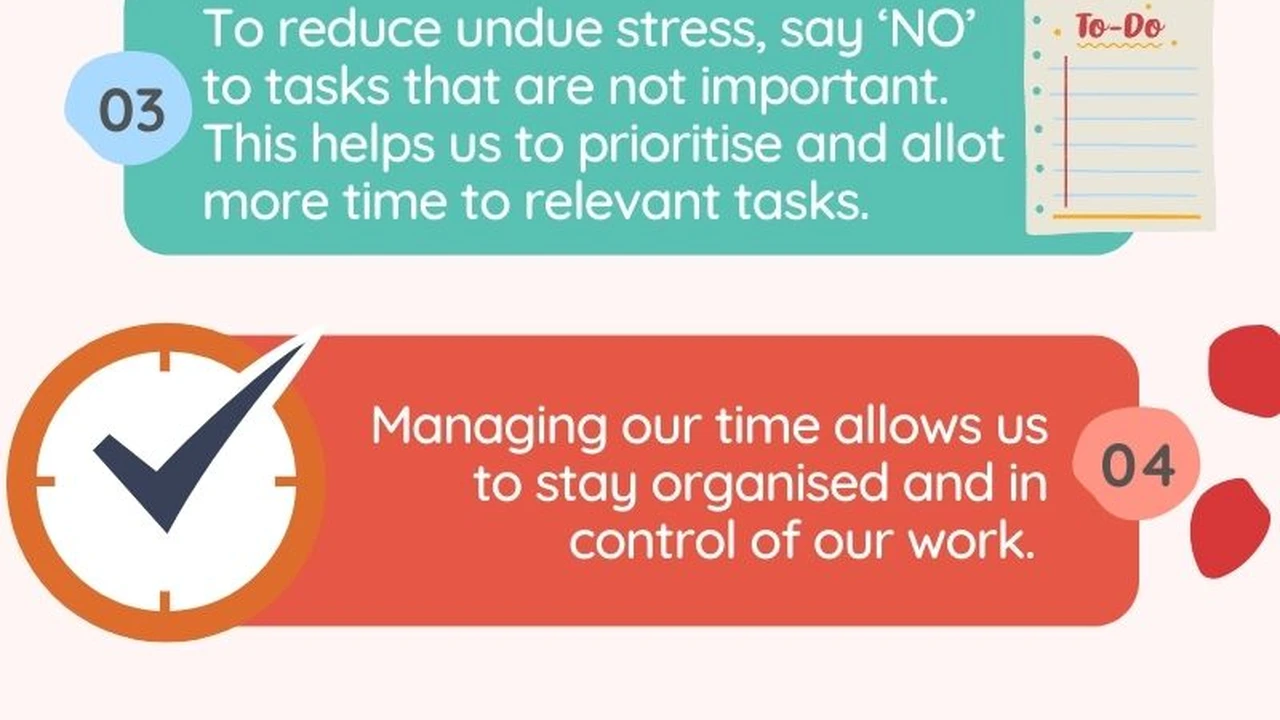
- Prioritize Tasks: Use methods like the Eisenhower Matrix (Urgent/Important) to decide what needs your immediate attention.
- Create a To-Do List: Write down everything you need to do. This clears your mind and gives you a visual roadmap.
- Break Down Big Tasks: A huge project can feel overwhelming. Break it into smaller, actionable steps.
- Set Realistic Deadlines: Don't overcommit. Be honest about how much you can realistically achieve.
- Learn to Say No: Protect your time and energy by politely declining requests that don't align with your priorities.
- Declutter Your Space: A tidy physical environment can lead to a clearer mind.
Recommended Products for Time Management and Organization
These tools can help you keep track of your tasks and schedule.
Productivity Apps Comparison
| Product | Key Features | Best For | Pricing (Approx.) | User Scenario |
|---|---|---|---|---|
| Todoist | Task lists, recurring tasks, subtasks, projects, integrations with other apps. | Simple task management, project organization, cross-platform use. | Free basic, Pro $4/month | Someone who needs a straightforward way to manage daily tasks, work projects, and personal errands across multiple devices. |
| Notion | Notes, databases, wikis, project management, customizable workspaces. | All-in-one workspace, highly customizable, team collaboration. | Free basic, Personal Pro $8/month | A student or professional who wants to manage notes, tasks, projects, and even personal goals all in one flexible platform. |
| Google Calendar | Event scheduling, reminders, shared calendars, integration with Gmail and other Google services. | Scheduling appointments, managing events, sharing schedules with others. | Free | An individual or family needing to coordinate multiple schedules, set reminders for appointments, and plan events. |
Planners/Journals: For those who prefer a physical approach, a good planner can be invaluable. Brands like Moleskine ($20-$30) or Passion Planner ($30-$40) offer structured layouts to help you organize your days, weeks, and months. A simple bullet journal can also be highly effective and customizable.
5. Adopt Healthy Lifestyle Choices for Overall Well-being
Your physical health and mental health are deeply intertwined. Neglecting basic self-care can significantly amplify stress. Conversely, making conscious choices to nourish your body and mind can build resilience against stressors and improve your overall capacity to cope.
How Healthy Lifestyle Choices Help with Stress
- Balanced Nutrition: A healthy diet provides the nutrients your brain needs to function optimally and regulate mood.
- Adequate Sleep: Quality sleep is essential for cognitive function, emotional regulation, and physical recovery.
- Limit Stimulants: Excessive caffeine and alcohol can disrupt sleep and increase anxiety.
- Hydration: Dehydration can lead to fatigue and irritability, making stress worse.
- Breaks and Downtime: Regular breaks prevent burnout and allow your mind to rest and recharge.
Practical Tips for Adopting Healthy Lifestyle Choices
Small, consistent changes are often more sustainable than drastic overhauls.
- Eat Whole Foods: Focus on fruits, vegetables, lean proteins, and whole grains. Limit processed foods, excessive sugar, and unhealthy fats.
- Prioritize Sleep Hygiene: Aim for 7-9 hours of quality sleep. Establish a consistent sleep schedule, create a relaxing bedtime routine, and make your bedroom conducive to sleep (dark, quiet, cool).
- Stay Hydrated: Drink plenty of water throughout the day. Keep a water bottle handy as a reminder.
- Moderate Caffeine and Alcohol: Be mindful of how much you consume, especially close to bedtime.
- Take Regular Breaks: If you have a demanding job, step away from your desk every hour or two, even if it's just for a few minutes.
- Connect with Nature: Spending time outdoors has been shown to reduce stress and improve mood.
Recommended Products for Healthy Lifestyle Choices
These products can support your journey towards better health and reduced stress.
Sleep Aids Comparison (Non-Medicinal)
| Product | Key Features | Best For | Pricing (Approx.) | User Scenario |
|---|---|---|---|---|
| Weighted Blanket (e.g., Gravity Blanket) | Deep pressure stimulation, promotes relaxation, reduces tossing and turning. | Anxiety, restless sleep, sensory seeking individuals. | $150-$250 | Someone who feels restless at night and struggles to calm their body and mind before sleep. |
| White Noise Machine (e.g., LectroFan) | Consistent ambient sound, blocks out disruptive noises, creates a soothing sleep environment. | Light sleepers, noisy environments, creating a consistent sleep routine. | $30-$60 | An individual living in a noisy apartment or someone who travels frequently and needs to block out unfamiliar sounds for better sleep. |
| Aromatherapy Diffuser + Essential Oils (e.g., doTERRA, Young Living) | Disperses calming essential oils (lavender, chamomile), creates a relaxing atmosphere. | Creating a calming bedtime ritual, natural relaxation. | Diffuser $20-$50, Oils $15-$40 per bottle | Someone who enjoys sensory experiences and wants to incorporate natural scents into their evening wind-down routine. |
Reusable Water Bottles: Staying hydrated is easier when you have a good water bottle. Brands like Hydro Flask ($30-$50) or Stanley ($30-$45) keep water cold for hours, encouraging consistent intake. For a smart bottle that tracks your intake, consider HidrateSpark ($50-$70).
Meal Prep Containers: To support healthy eating, having good meal prep containers can make a huge difference. Glass containers from brands like Pyrex or Anchor Hocking ($20-$40 for a set) are durable and microwave-safe, making healthy eating convenient.
So there you have it! Five powerful ways to tackle stress head-on. Remember, managing stress isn't about eliminating it entirely (that's probably impossible!), but about building a toolkit of strategies that help you navigate life's challenges with more grace and resilience. Start with one or two of these tips, see what works best for you, and gradually incorporate more. Your calmer, more balanced self will thank you for it!
:max_bytes(150000):strip_icc()/277019-baked-pork-chops-with-cream-of-mushroom-soup-DDMFS-beauty-4x3-BG-7505-5762b731cf30447d9cbbbbbf387beafa.jpg)